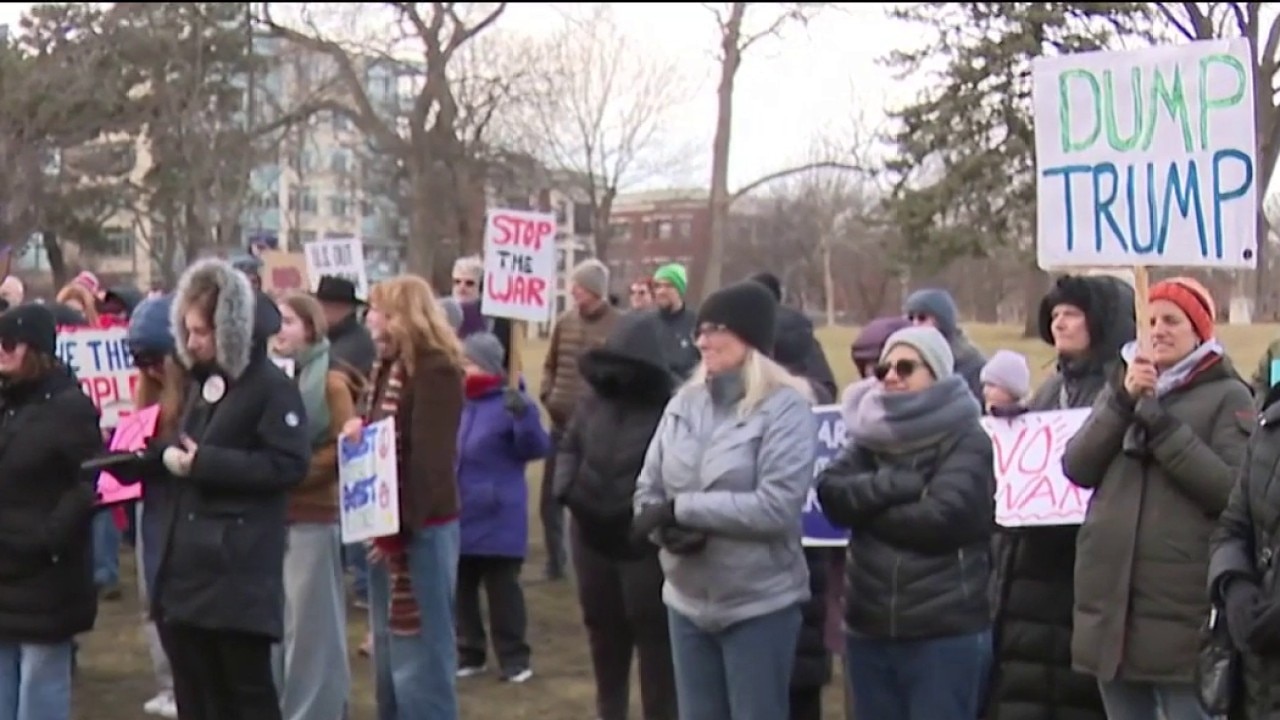
U.S. air strikes on Iran triggered both anti-war protests and pro-intervention celebrations in Chicago, highlighting sharp local political polarization and fears of escalation and civilian casualties. Local candidates and organizers used the events to press accountability and mobilize voters, signaling potential domestic political fallout and an uptick in geopolitical risk that could weigh on markets sensitive to conflict (notably energy and defense), though the article contains no direct market data.
Market-structure: Near-term winners are large defense primes (LMT, NOC, RTX) and energy majors (XOM, CVX) if strikes escalate; losers include commercial airlines (DAL, UAL), leisure & EM FX sensitive to risk-off flows. Expect 3–7% intraday repricing in small-cap travel names and 2–5% moves in defense/energy on headline risk; pricing power shifts toward suppliers of munitions, ship insurance and secure cloud/cyber services.
Risk assessment: Immediate (days) = risk-off: US Treasuries and gold bid, USD strength, equity risk-premium up; short-term (weeks–months) = elevated oil/insurance-driven inflation risk if Strait of Hormuz incidents occur (Brent +$10–$20 triggers broader growth hit); long-term (quarters+) = incremental defense budget tailwinds but political constraints could cap sustained upside. Tail risks: wider regional war, major energy-infrastructure strike, or cyberattack on US contractors with >$50bn cost implications.
Trade implications: Tactical trades favor small, defined-risk exposure: buy 3–6 month call spreads on LMT/RTX sized 1–3% notional; hedge with 1–2% GLD and 1–2% TLT for 2–6 weeks. Short airlines/travel discretionary via -1% positions in DAL/UAL or short XLY ETF if oil >$95/bbl or VIX >25; use options to cap losses.
Contrarian angles: Consensus assumes sustained escalation; odds are binary — headlines drive volatility but not permanent demand destruction. If Brent fails to hold >$90 within 10 trading days, fade energy longs and rotate into secular cyber/space primes (SAIC, L3H) which are cheaper and less cyclical; monitor congressional funding votes and shipping-incident counts as 48–72 hour catalysts.
AI-powered research, real-time alerts, and portfolio analytics for institutional investors.
Request TrialOverall Sentiment
moderately negative
Sentiment Score
-0.40
