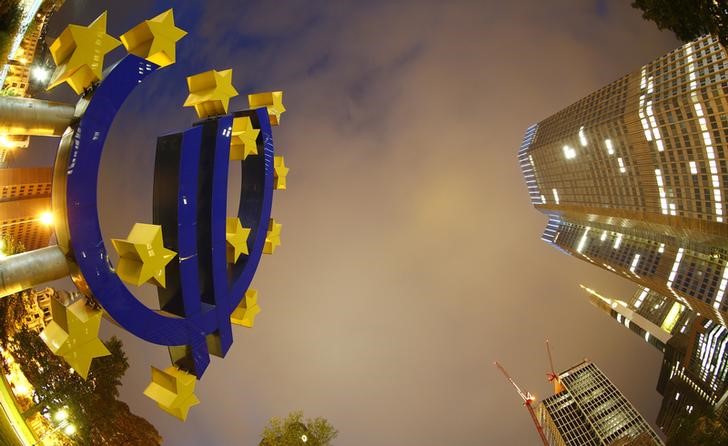
Oil jumped 27% and European gas rose 73% after the Iran war escalation, prompting markets to flip from pricing ~6–8bps of ECB rate cuts to ~32bps of cumulative hikes by Dec 2026. The ECB is expected to hold rates at 2% next week but faces pressure to hike sooner as eurozone core inflation rose to 2.4% (Feb) and services inflation stayed at 3.4%; UBS warns energy shocks could add 10–20bps to inflation and trim 2026 GDP by ~10bps under a short-lived shock, with larger hits if prolonged.
The immediate market reaction is pricing a material repricing of ECB path risk — that creates a narrow window where rates-sensitive assets and positioning squeezes will dominate intramonth moves. With energy driving a simultaneous inflation uptick and growth drag, the most important second-order channel is margin reallocation: upstream energy producers capture near-term cashflow while consumer-facing and energy-intensive sectors face margin compression that will show up in 2-3 quarter earnings cycles.
On the policy side, the key fragility is timing and persistence: if the price shock is front-loaded and wages remain sluggish (negotiated wage trend is decelerating), ECB will be forced back into “look-through” mode and long-duration assets re-rate lower quickly; conversely, any sign of wage-price feedback within two quarters forces a more sustained hike regime and lifts front-end yields aggressively. For credit and banks, higher short-term rates but weaker growth is a two-edged sword — net interest margins rise but NPL/charge risk and funding stress for BBB corporates rise after a lag.
Practically, liquidity and positioning create asymmetric short-term opportunities: crowded longs in rate-duration and crowded shorts in energy produce outsized moves on headline oil prints or ECB communications. The trade clock is short — 1–3 months for positioning squeezes and 3–12 months for realized economic/earnings effects — so size for nimbleness and define explicit macro triggers (Brent levels, wage prints, ECB forward guidance) that flip the view.
Contrarian angle: markets may be over-discounting persistent hawkish ECB action if the conflict is containable or global demand weakens further; that would favor a rapid unwind in euro front-end rates and a relief rally in cyclicals. Conversely, persistent supply disruption remains an underpriced tail that would materially steepen inflation breakevens and reward real-assets/energy producers for 6–18 months.
AI-powered research, real-time alerts, and portfolio analytics for institutional investors.
Request DemoOverall Sentiment
strongly negative
Sentiment Score
-0.60
Ticker Sentiment
