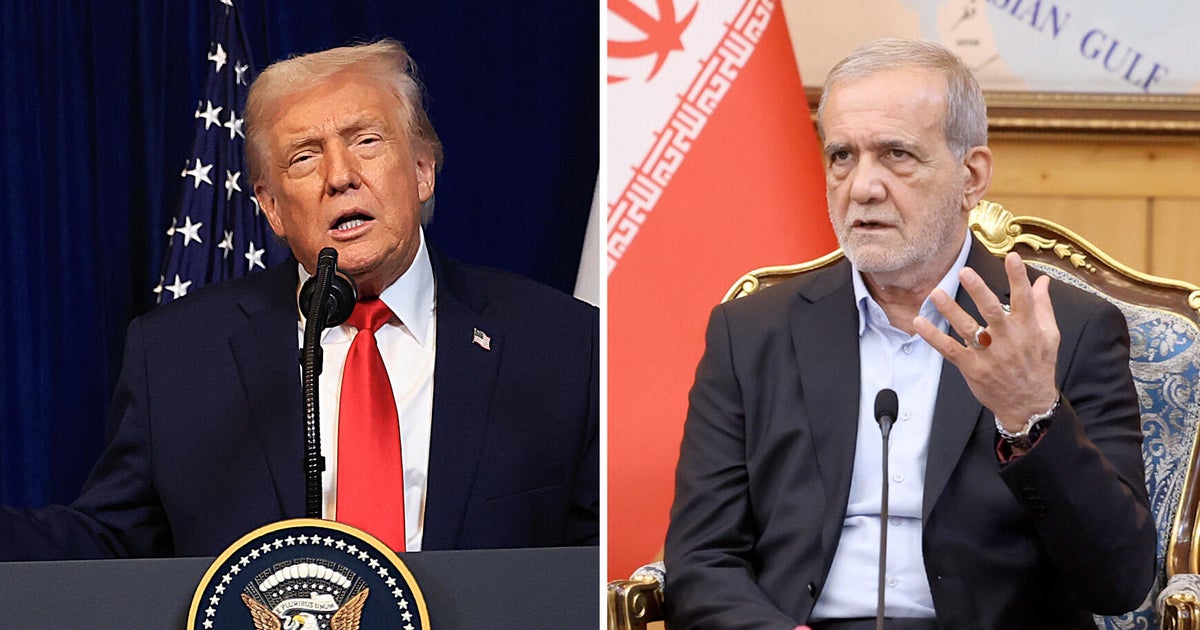
President Trump warned the U.S. could carry out new strikes if Iran rebuilds its nuclear program, and Iranian President Masoud Pezeshkian vowed a “harsh and discouraging” response to any attack. The comments follow a June 12-day air campaign that U.S. officials say killed nearly 1,100 Iranians and a retaliatory Iranian missile barrage that killed 28 people in Israel; a classified assessment judged the strikes set back Tehran’s program by months while Iran retains uranium enriched up to 60%. Elevated rhetoric and the prospect of renewed military action raise regional escalation risk that could pressure oil markets, spur defense-sector demand, and drive risk-off positioning for regional and emerging-market assets.
Market structure: Escalation raises near-term pricing power for defense contractors (platforms, missiles, ISR) and large oil producers; commercial shippers, airlines, tourism and regional banks with Mideast exposure are immediate losers. Expect defense capex reallocation over quarters (backlog and margins improve) and short-term oil risk-premium that can move Brent +/- $20 on shocks, pressuring global trade flows and insurance rates.
Risk assessment: Tail risks include a Strait of Hormuz disruption (Brent > $120 within days, global shipping reroutes, 7–15% equity drawdown) and a wider regional war that drags US forces in (months). Immediate (days): risk-off, USD and gold bid; short-term (weeks–months): oil spike and defense rerating; long-term (quarters–years): sustained higher defense budgets and energy security-driven supply reconfiguration. Hidden dependencies: Israel/US intelligence divergence, IAEA verification cadence, and insurance-pricing feedback loops for shipping.
Trade implications: Tactical winners — LMT, RTX, NOC and majors XOM/CVX; hedges — GLD and short-term Treasuries. Use option structures to buy convexity (3-month call spreads) rather than outright equities if headline risk is high. Rotate away from EM cyclicals and travel names into defense/energy and 1–3 month safe-haven cash substitutes.
Contrarian angles: Consensus may overstate nuclear breakout speed; markets could overshoot risk premia and create a 20–40% re-entry opportunity in tourism/airlines if conflict remains localized. Also, sustained oil weakness after an initial spike would punish explorers but accelerate renewables capex — consider mid-cycle optionality in EPC/solar names if oil falls below $70 for 30+ days.
AI-powered research, real-time alerts, and portfolio analytics for institutional investors.
Request DemoOverall Sentiment
moderately negative
Sentiment Score
-0.60
