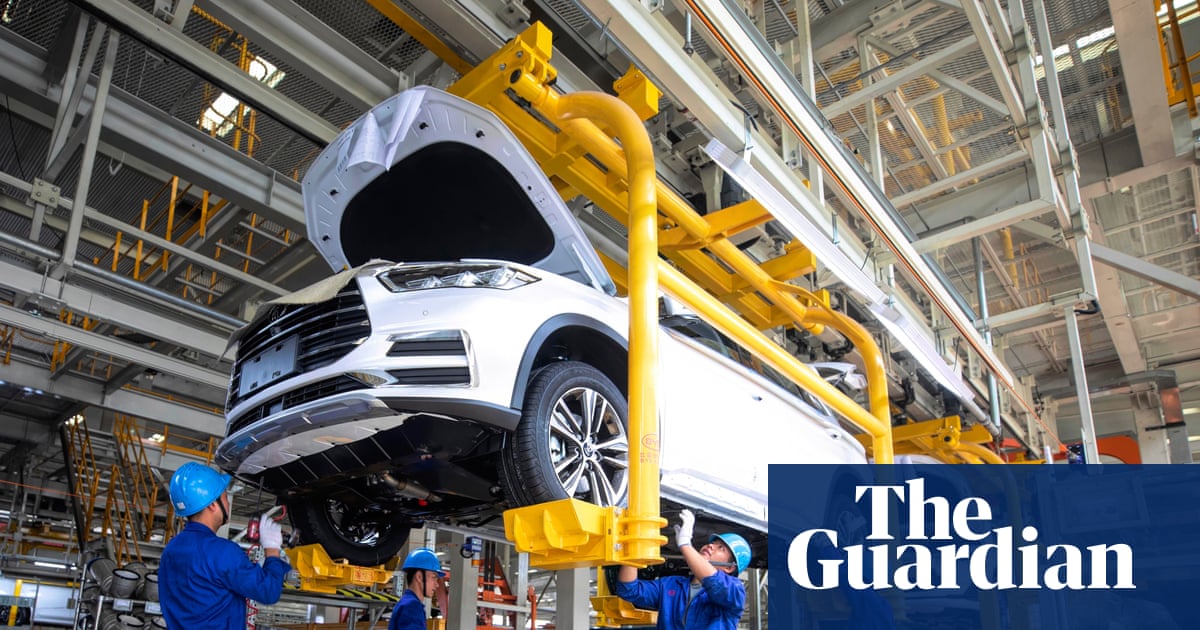
Mexico announced plans to significantly increase tariffs on Chinese car imports from 20% to 50%, the maximum allowed, citing job protection but also reportedly influenced by US pressure to prevent Mexico from serving as a "back door" for Chinese goods. China's government swiftly condemned the move as coercion, vowing to "firmly protect" its legitimate interests and warning of countermeasures. This development highlights escalating global trade tensions and the increasing use of tariffs as a geopolitical instrument, further complicating US-China relations and impacting global supply chains.
Mexico's proposed tariff increase on Chinese automotive imports from 20% to 50% marks a significant escalation in global trade friction, directly impacting the automotive supply chain. While officially justified as a measure to protect domestic jobs, analyst commentary suggests the move is a direct concession to US pressure aimed at preventing Mexico from serving as a "back door" for Chinese goods into the American market. China's government has responded forcefully, labeling the action as "coercion" and vowing to protect its interests with potential countermeasures, signaling a new front in its broader trade dispute with the US. This development is not isolated, but part of a wider pattern of the Trump administration leveraging tariffs as a geopolitical instrument, as seen with recent pressure on the EU and India. The situation is compounded by legal uncertainty, as the entire US tariff framework faces a Supreme Court challenge in November, making the long-term strategic landscape highly fluid for companies operating in the region.
AI-powered research, real-time alerts, and portfolio analytics for institutional investors.
Overall Sentiment
strongly negative
Sentiment Score
-0.60
