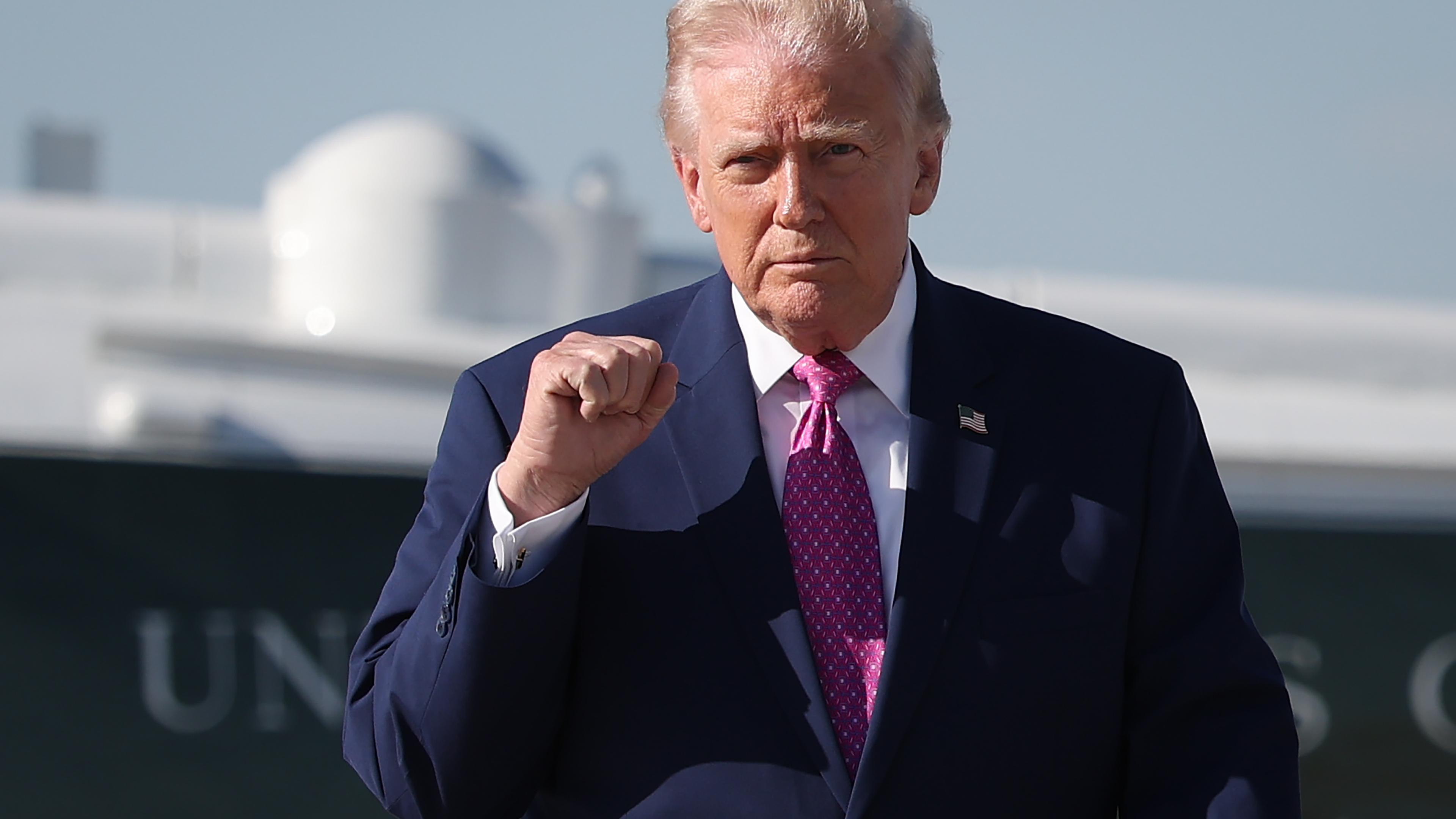
The U.S.-Iran cease-fire is set to expire within hours, with Trump warning of resumed bombing if talks fail and Iran refusing negotiations under threat. The standoff centers on the Strait of Hormuz, where disruptions threaten roughly 20% of global oil flows and have already intensified global energy and shipping risk. Global leaders are pushing for a durable cease-fire and reopening of the waterway, but near-term uncertainty remains elevated.
The market is being handed a classic binary political-risk setup, but the more important second-order effect is not the headline cease-fire outcome; it is the duration of disruption to Gulf shipping insurance, tanker routing, and refined-product logistics. Even if talks resume, the signaling problem is now severe: counterparties will demand wider risk premia for loading windows, vessel coverage, and payment terms, which can keep freight and delivered energy costs elevated for weeks after any nominal truce.
The biggest near-term winners are not just upstream energy names but also firms with pricing power over constrained logistics: tanker lessors, marine insurers/reinsurers, and select defense contractors tied to naval monitoring, mine clearance, and missile defense. The losers are highly exposed airlines, ocean carriers with weak bunker pass-through, European chemical and industrial users, and import-dependent Asian refiners that are effectively short inventory optionality if flows remain intermittently impaired.
The tail risk is asymmetric because the Strait is a physical chokepoint with limited substitution capacity on a days-to-weeks horizon. If the impasse persists past the current deadline, the market will likely move from "war premium" to "availability premium," where spot diesel, jet fuel, and naphtha tighten faster than crude itself; that is the more dangerous inflation impulse. Conversely, a credible, externally verified de-escalation that includes shipping guarantees could unwind a meaningful portion of the risk premium within 24-72 hours, but credibility will matter more than rhetoric.
The contrarian miss is that a cease-fire extension may not be bullish in the same way for energy prices as many expect: it could actually be bearish for front-month volatility if it allows inventories and convoy patterns to normalize. However, the broader regime shift remains positive for defense and maritime-security spend, because every renewed disruption strengthens the case for permanent naval presence and higher capex across chokepoints, regardless of the diplomatic outcome.
AI-powered research, real-time alerts, and portfolio analytics for institutional investors.
Request TrialOverall Sentiment
strongly negative
Sentiment Score
-0.65
