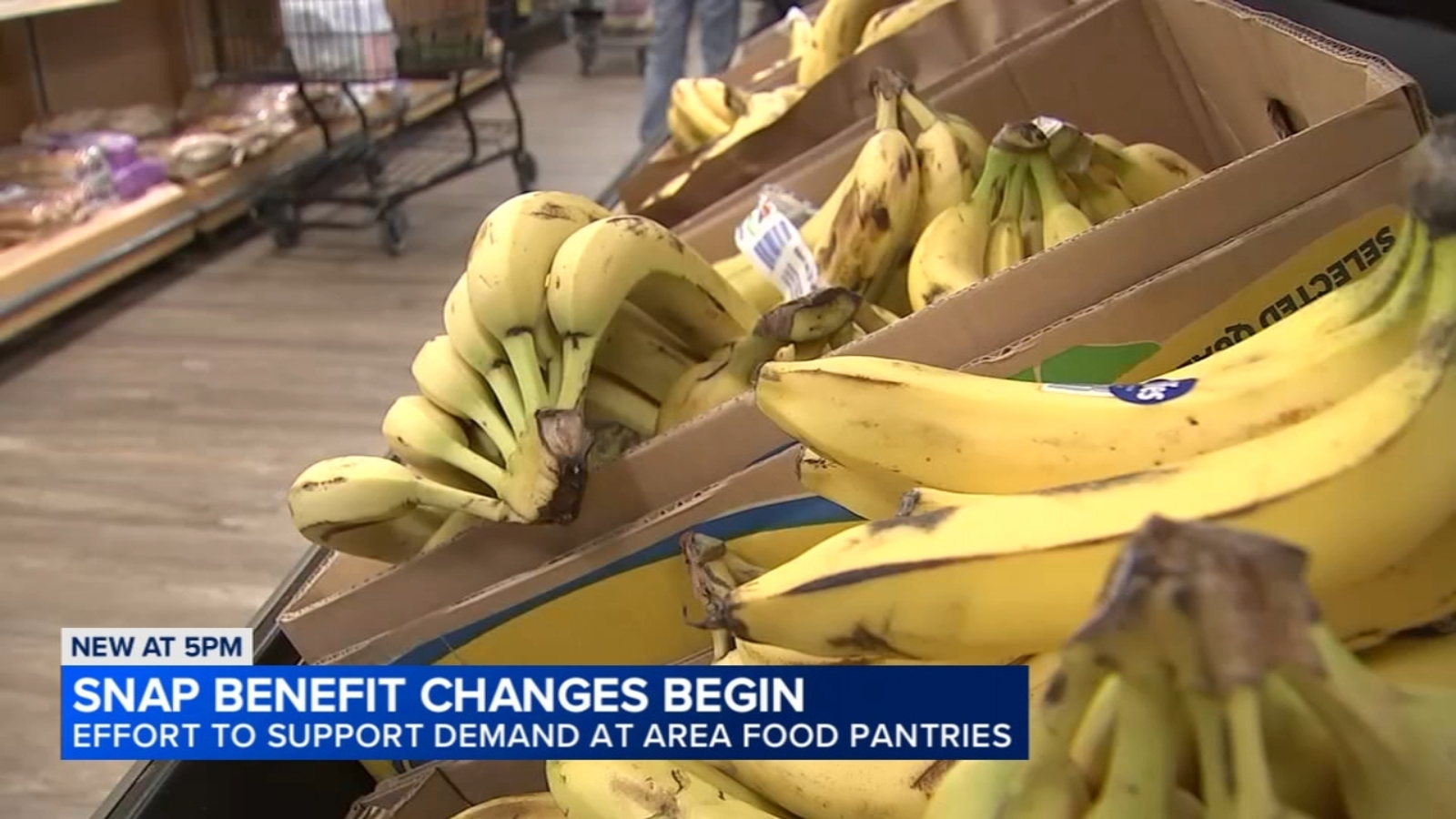
An estimated 150,000 Illinois residents are at risk of losing SNAP food assistance under new work and training requirements, with benefits limited to three months over a three-year period if rules are not met. The Northern Illinois Food Bank expects demand to rise by 1 million meals and about 35,000 additional people over the next two months, and one pantry reported double its normal traffic in the first hour on Friday. The article points to rising consumer distress and increased reliance on food banks, but it is unlikely to materially move markets.
The immediate market implication is not a broad consumer demand shock so much as a reallocation of spending power from retailers to food banks and discounters. The first-order pain will show up in local grocery baskets: less premium packaged food, more density in lower-ticket staples, and higher reliance on dollar stores, club channels, and private label. That shift is most bearish for regional grocers and discretionary-heavy food categories because the affected households will likely cut basket size before they cut frequency, which compresses transaction values without an obvious volume offset.
The second-order winner set is more nuanced. Food banks and philanthropic supply chains will see a near-term spike in demand, but the more investable spillover is to low-income oriented retail formats and CPGs with strong value architecture. If even a fraction of the at-risk population loses recurring benefits, the incremental monthly cash shortfall can be enough to push households into trade-down behavior that benefits private label, frozen, and shelf-stable categories while pressuring branded premium SKUs. That effect should show up within weeks, not quarters, because the consumer response is immediate once the benefit is removed.
For SNAP specifically, the issue is not just revenue loss from lower-income consumers in certain geographies; it is margin mix risk from discretionary basket erosion if this rolls out more broadly. The policy change also raises the odds of recurring political volatility around nutrition assistance, so the market should discount a higher probability of future reversals or administrative carve-outs. The base case is a choppy 1-3 month adjustment period with localized stress, but if labor-market weakness or tighter eligibility enforcement broadens, the consumer drag could extend into a more durable downshift in low-end retail traffic.
The contrarian view is that the selloff in any SNAP-exposed names may be overdone if investors extrapolate benefit losses into a permanent demand impairment. Historically, households substitute aggressively before they disappear as consumers, which means the revenue migrates rather than vanishes, especially toward value channels. In other words, this is more likely a margin and mix story than a unit collapse story, and the best relative longs are the operators best positioned to capture that trade-down flow.
AI-powered research, real-time alerts, and portfolio analytics for institutional investors.
Request DemoOverall Sentiment
moderately negative
Sentiment Score
-0.45
Ticker Sentiment
