
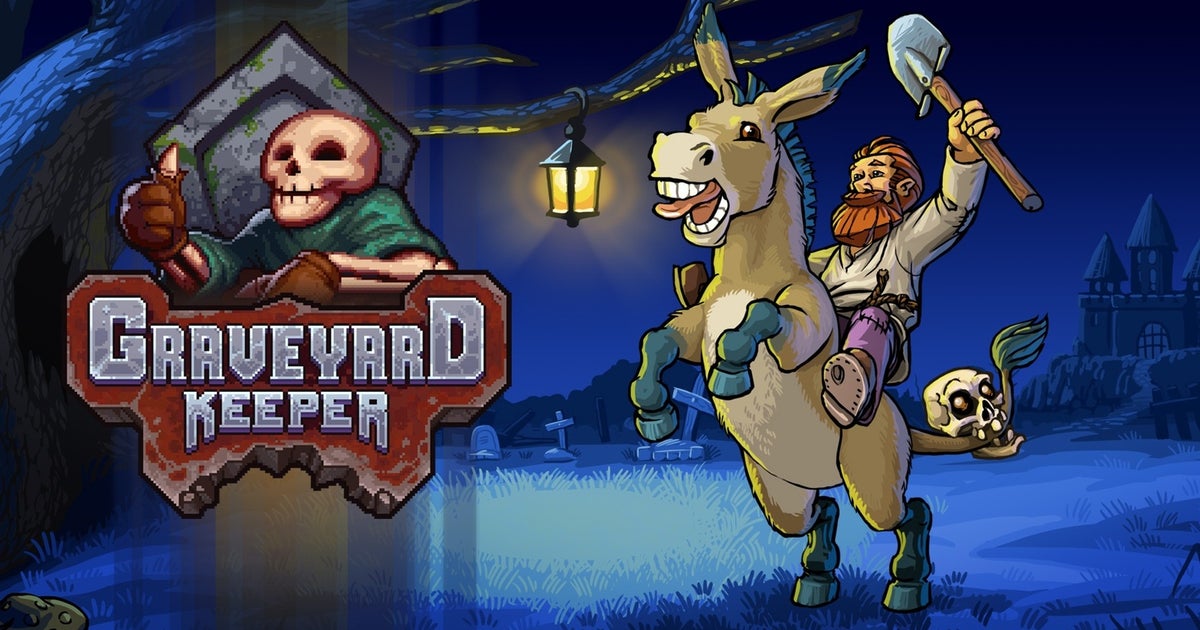
Graveyard Keeper's free giveaway generated at least $250,000 in DLC sales for publisher tinyBuild, with CEO Alex Nichiporchik saying the figure reflects only PC and does not yet include console numbers. The promotion also helped Graveyard Keeper 2 reach 400K Steam wishlists during the giveaway period, suggesting improved sequel demand. The article is positive for monetization and franchise engagement, but the market impact is likely limited given the niche scale.
This is a useful proof point for the economics of mature live-service-like content: once the fixed-cost catalog is built, a temporary demand shock can re-monetize the installed base with very little incremental spend. The key second-order effect is not the giveaway itself, but the conversion of dormant users into DLC buyers, which implies the monetization engine is now driven more by back-catalog depth than by the core title’s review score or launch window.
The bigger signal is on sequel discovery. A surge in wishlists compresses the customer-acquisition payback period for the next release and gives the publisher a more measurable pre-launch funnel to monetize through discounted bundle pricing, preorders, and algorithmic visibility. For smaller publishers, this lowers the hurdle rate for sequel greenlights and increases the strategic value of owning multiple add-on SKUs per franchise.
The contrarian read is that the market may be overestimating the quality of the underlying demand. Giveaway-driven DLC sales are a one-time conversion event, not necessarily proof of organic franchise re-acceleration; much of the increment may have come from existing fans waiting for a discount or opportunistic completionists. If sequel quality does not improve materially, the wishlist gains can fade quickly after launch, and the publisher could be left with a short-lived marketing pop rather than a durable LTV uplift.
From a capital-markets lens, the best setup is in names with underappreciated catalog monetization and low current expectations. The tradeable takeaway is not to chase the headline, but to look for publishers where a similar promotion could move FY revenue without commensurate opex, especially if they have multiple DLC-bearing titles and an upcoming sequel pipeline.
AI-powered research, real-time alerts, and portfolio analytics for institutional investors.
Request TrialOverall Sentiment
moderately positive
Sentiment Score
0.55
Ticker Sentiment
