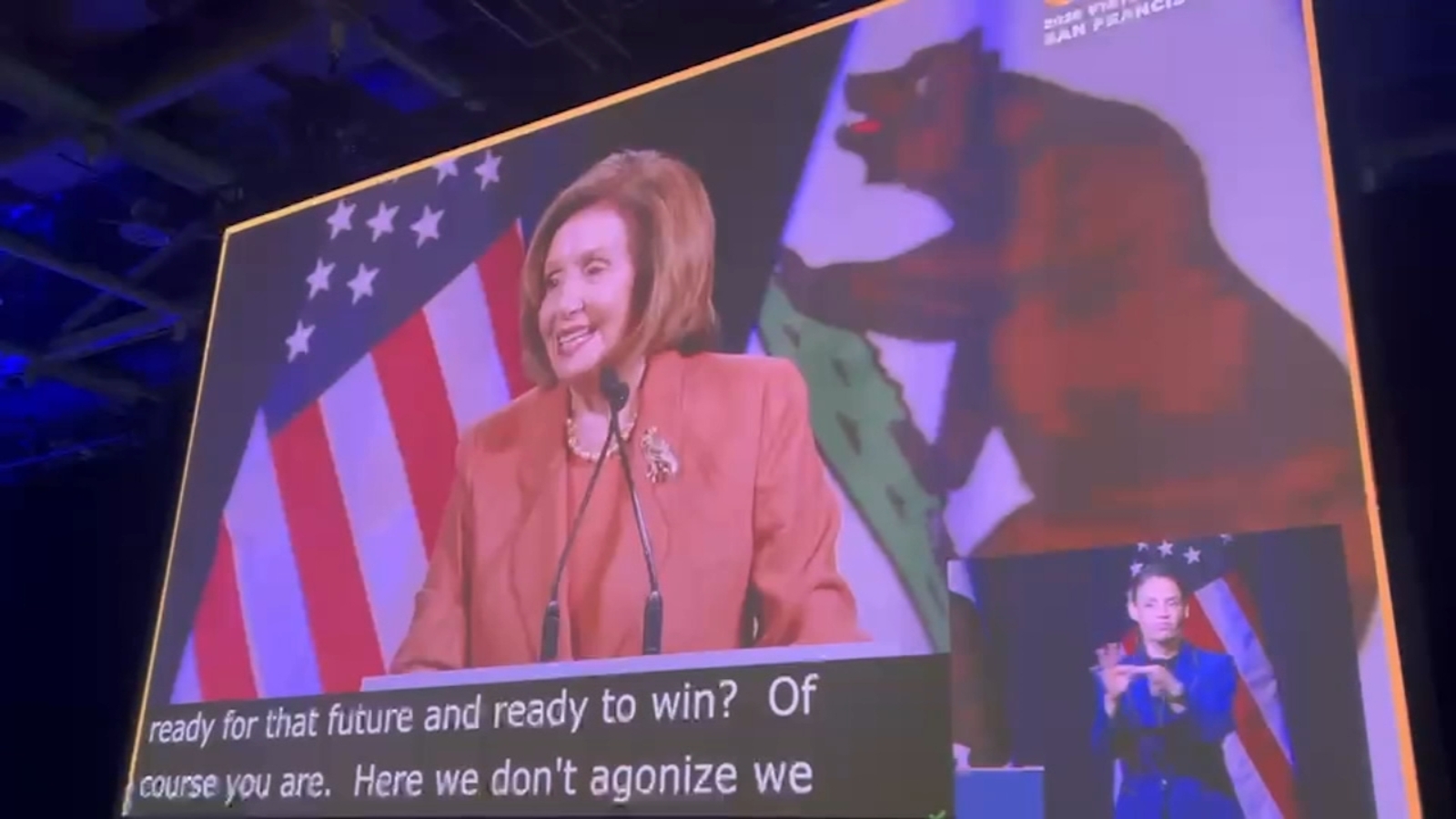
The California Democratic Party convened in San Francisco with roughly 3,000 delegates to set strategy ahead of a pivotal election cycle, including consideration of endorsements for governor where eight candidates are competing and the 60% endorsement threshold makes a decision this weekend unlikely. Delegates also celebrated the passage of Proposition 50 — a temporary congressional redistricting measure — and faced internal pressure from younger Democrats for progressive policies such as universal health coverage. Immediate market implications are minimal, though convention outcomes may affect state policy direction and political risk heading into 2026.
Market structure: A prolonged, multi-candidate California Democratic primary (no endorsement likely this weekend) increases policy uncertainty but creates clear sector winners/losers. Medicaid-centric health plans (Centene CNC, Molina MOH) are positioned to capture incremental enrollment if California expands state-funded coverage over the next 6–18 months, while national insurers (UNH, CVS) and pharma names face heightened regulatory/pricing risk if progressive platforms (universal coverage, price controls) gain traction. A drawn-out primary also mechanically raises political advertising demand — marginally positive for digital ad platforms (GOOGL, META) over 3–12 months as campaigns increase spend.
Risk assessment: Tail risks include a >15% probability of an aggressive state-level single-payer push or price-control legislation within 12–24 months that would materially compress private-insurer margins and drug pricing; second-order risks include California fiscal strain leading to tax hikes that depress local consumption and muni credit. Immediate (days) market moves should be minimal; short-term (weeks–months) will see higher volatility in healthcare and ad revenue forecasts; long-term (quarters–years) outcomes hinge on legislative milestones (bill introductions, budget votes) and primary consolidation. Catalysts: candidate consolidation (within 3–6 months), state legislative session calendars, and ballot qualification decisions.
Trade implications: Favor concentrated, size-controlled exposure to Medicaid-focused insurers (long CNC, MOH 2–3% positions each) funded by modest hedges (short UNH 1–2% or buy 6–9 month UNH puts) and a tactical long on GOOGL/META (1–2%) to capture elevated political ad spend over the next 6–12 months. Implement option structures: buy 6–9 month CNC call spreads (limit cost to ~2–3% of notional) and pair with 6-month UNH protective put (strike ~10% OTM) to manage downside. Overweight California munis with intermediate duration (7–12yr) if Democrats maintain policy control; expect 10–30bps of yield compression on political stability over 12 months.
Contrarian angles: The market underestimates the ad-dollar upside from a prolonged, fragmented primary — assume a 2–5% incremental revenue lift to GOOGL/META in California ad verticals over 2025–26, which is underpriced today. Conversely, the probability-weighted risk of full single-payer in 12 months is likely overstated by consensus; cap position sizes in healthcare and use option hedges rather than binary outright shorts. Historical parallels (state progressive pushes that resulted in incremental regulation, not full system overhaul) suggest favoring asymmetric option exposure rather than large directional bets.
AI-powered research, real-time alerts, and portfolio analytics for institutional investors.
Request DemoOverall Sentiment
neutral
Sentiment Score
0.00
