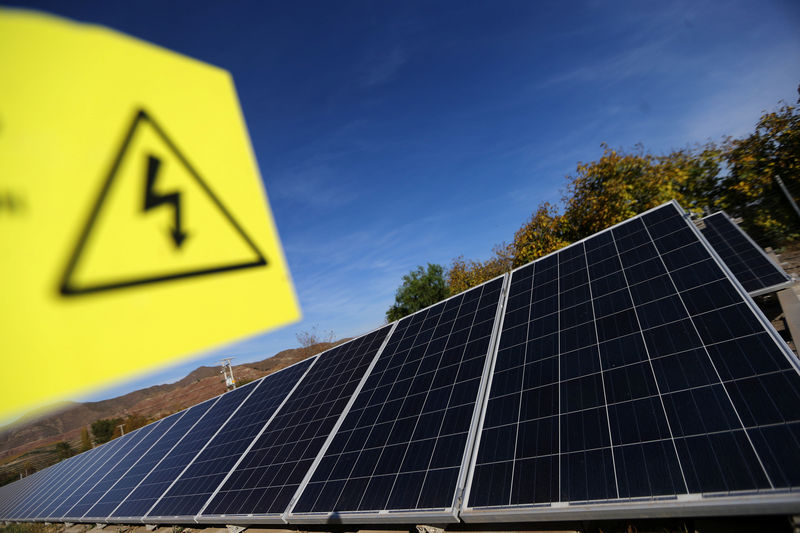
The U.S. Treasury Department and IRS issued new guidance clarifying clean energy tax credit qualification, largely eliminating the 5% "safe harbor" for most wind and solar projects, which now require a "physical work test" to qualify for credits before their expiration. This directive, following an order to prevent manipulation of eligibility, prompted significant rallies across renewable energy stocks, with First Solar rising 13% and Sunrun surging 39%. The timing is critical for developers, as projects must begin construction within a year or be in service by the end of 2027 to qualify for clean electricity investment and production credits.
The U.S. Treasury and IRS have provided critical regulatory clarity for the renewable energy sector through Notice 2025-42, which revises qualification requirements for clean energy tax credits. The new guidance eliminates the "5% safe harbor" option for most wind and solar facilities, which previously allowed developers to qualify for credits by incurring a small percentage of project costs without starting physical work. Instead, projects must now meet a more stringent "physical work test." This change, prompted by a directive to prevent manipulation of eligibility, was met with a significant positive market reaction, indicating that investors value the newfound certainty over the previous, more flexible rule. The market response was demonstrated by sharp rallies across the sector, including a 39% surge for Sunrun (RUN), a 27% increase for Array Technologies (ARRY), and a 13% gain for First Solar (FSLR). The timing is crucial, as developers must either begin construction within one year or place projects in service by the end of 2027 to access these credits. This guidance effectively de-risks project pipelines by removing ambiguity, even as it imposes a stricter operational timeline.
AI-powered research, real-time alerts, and portfolio analytics for institutional investors.
Overall Sentiment
strongly positive
Sentiment Score
0.70
Ticker Sentiment
