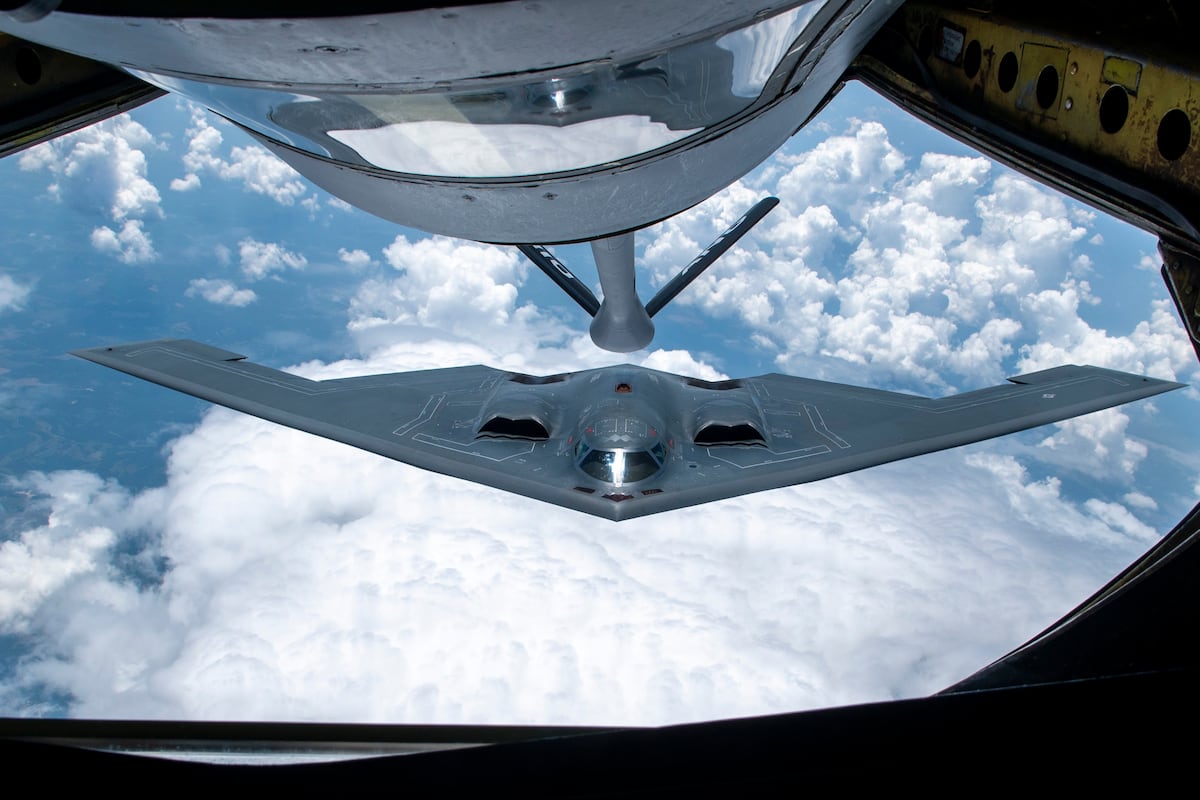
President Trump authorized a broad, high‑tempo set of U.S. military operations worldwide in 2025, including sustained campaigns in Somalia and the Caribbean, an Iraq strike that killed ISIS’s No.2, a $1+ billion Yemen air campaign (Mar.15–May.6), and a June 22 operation that used seven B‑2s to drop 30,000‑lb GBU‑57 bunker‑busters on Fordo and Natanz and—per the Pentagon—likely set Iran’s enrichment program back up to two years. Additional actions include a Caribbean/eastern Pacific counternarcotics maritime campaign (Sept.2–ongoing) with at least 106 fatalities, Operation Hawkeye Strike in Syria (Dec.19), Christmas Day Tomahawk strikes in Nigeria, and a reported CIA drone strike in Venezuela; the scale and geographic breadth raise sustained geopolitical and security risk, implying potential upside pressure on defense names and commodity/sovereign risk exposure that macro investors should monitor.
Market structure: sustained, geographically dispersed strikes are a positive shock to large prime defense contractors (Lockheed Martin LMT, Northrop Grumman NOC, Raytheon RTX, General Dynamics GD, Huntington Ingalls HII) via near-term demand for munitions, long‑range weapons, and sustainment; expect 5–12% incremental revenue tailwind for affected segments over 12 months if procurement accelerates. Losers include commercial aviation (AAL, UAL) and leisure travel (CCL, RCL) from route disruptions and insurance/premium costs, plus EM sovereign risk assets (Nigeria, Venezuela, Iran proxies) facing capital flight and currency pressure. Supply/demand: munitions inventory drawdowns and submarine/Tomahawk/GBU-57 usage suggest tighter specialized ordnance supply — expect lead times and unit prices to rise 10–30% for niche weapons in 6–12 months.
Risk assessment: tail risks include escalation (Iran closes Strait of Hormuz or retaliatory attacks on Gulf infrastructure) that could lift Brent by $20+/bbl within days and spike global risk premia; cyber retaliation against US firms or shipping lanes is plausible and would widen CDS by 50–150bps for exposed EMs. Time horizons: immediate (days) = oil and FX volatility; short (weeks–months) = defense contract awards and margins; long (quarters–years) = sustained higher defense budgets and capex. Hidden dependencies: increased US activity raises Congressional scrutiny and potential export control shifts that could favor domestic suppliers and disadvantage non‑US competitors.
Trade implications: tactically favor call-spread exposure to LMT/NOC/RTX rather than outright equity to cap downside (3–9 month call spreads sized 2–3% portfolio each). Hedge macro with 1–2% long GLD and 1% long UUP (USD ETF) to protect against EM FX moves; add a directional oil hedge (3‑month WTI call spread via CL futures or BNO with $5 wide strikes) sized 1–2% to profit if Brent moves >+$5. Pair trade: long LMT (2%) / short AAL (1%) to capture defense vs. aviation divergence if strikes continue; set profit take at +15–20% on equity leg or if oil >$95/bbl, cut at -8%.
Contrarian angles: markets may be overpricing permanent defense upside — historical parallels (post‑Gulf War 1991) show defense rallies can reverse once operations de‑escalate; prefer capped-cost option structures and staggered deployment (buy in tranches over 2–6 weeks). Watch for procurement signals: a buyout/order flow spike (≥$2B announced awards to primes within 60 days) justifies adding to longs; absence of such awards suggests rolling back exposure.
AI-powered research, real-time alerts, and portfolio analytics for institutional investors.
Request DemoOverall Sentiment
moderately negative
Sentiment Score
-0.35
