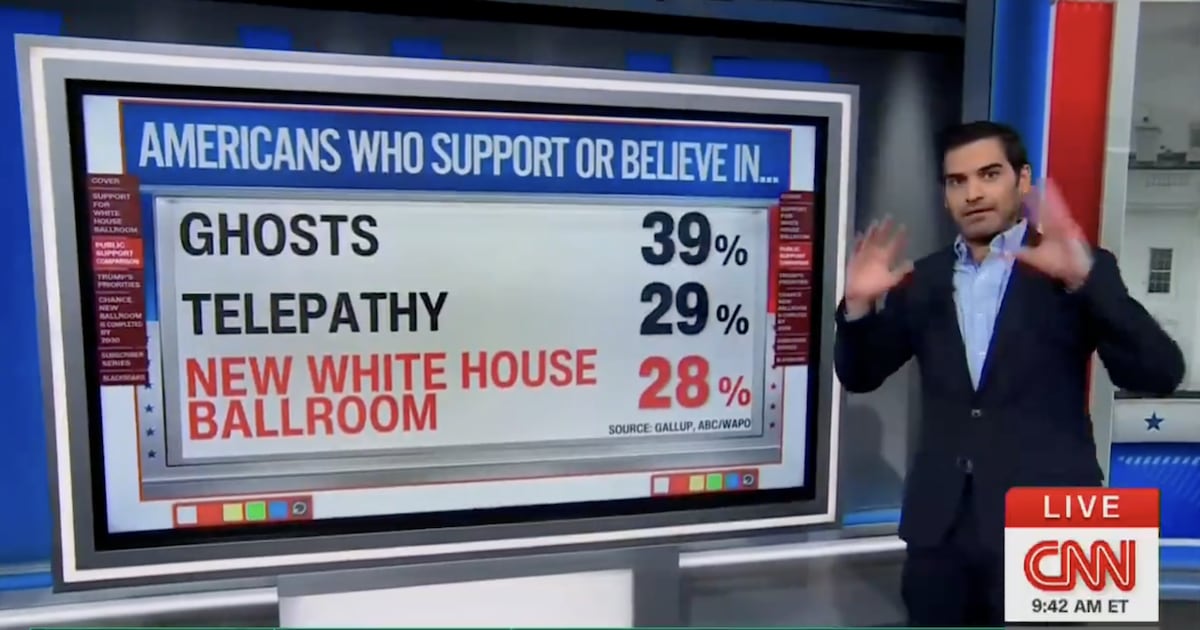
Senate Republicans are proposing $1 billion in taxpayer funding for Trump’s White House ballroom after the project was previously described as privately funded, adding a new fiscal controversy. Public support remains weak at 28% versus 56% opposed, with only 18% support among independents. The article also highlights design flaws and criticism over the demolition of the East Wing without approval, but the direct market impact appears limited.
This is less a story about a building than a negative-salience governance event that can keep compounding into the midterms. The market implication is not direct revenue impact but a widening trust gap between Republican messaging and voter priorities, which tends to hurt agenda-setting power in the next 6-12 months; that matters for anything requiring congressional sequencing, from appropriations to regulatory confirmations. The fact pattern also reinforces a broader fiscal optics problem: voters are likely to read any attempt to socialize a vanity project as evidence of weak budget discipline, which can spill into higher expected political volatility around defense, infrastructure, and discretionary spending.
The second-order beneficiary is not a single ticker but the anti-incumbent informational ecosystem: media outlets, pollsters, and politically targeted ad platforms should see elevated engagement if this remains a meme issue into primary season. For public equities, the most exposed theme is not construction but governance-sensitive assets—companies that depend on federal procurement or approvals may see a higher discount rate if the narrative shifts from competence to patronage. Conversely, firms positioned as alternatives to federal largesse, especially state/local contractors and private infrastructure operators, may benefit if Washington optics deteriorate further.
The main catalyst is a funding or approval escalator: if taxpayer involvement becomes explicit, this can quickly move from ridicule to a fiscal responsibility flashpoint within days, then to a broader campaign issue over months. Tail risk is low probability but non-trivial: a procedural fight that delays budget negotiations or triggers a symbolic amendment battle could create transient risk-off positioning in politically sensitive sectors. The contrarian view is that the outrage may be mostly performative and fade unless it is tied to appropriations language; absent that, the episode risks being overtraded as a headline, not a policy shift.
AI-powered research, real-time alerts, and portfolio analytics for institutional investors.
Request DemoOverall Sentiment
mildly negative
Sentiment Score
-0.25
Ticker Sentiment
