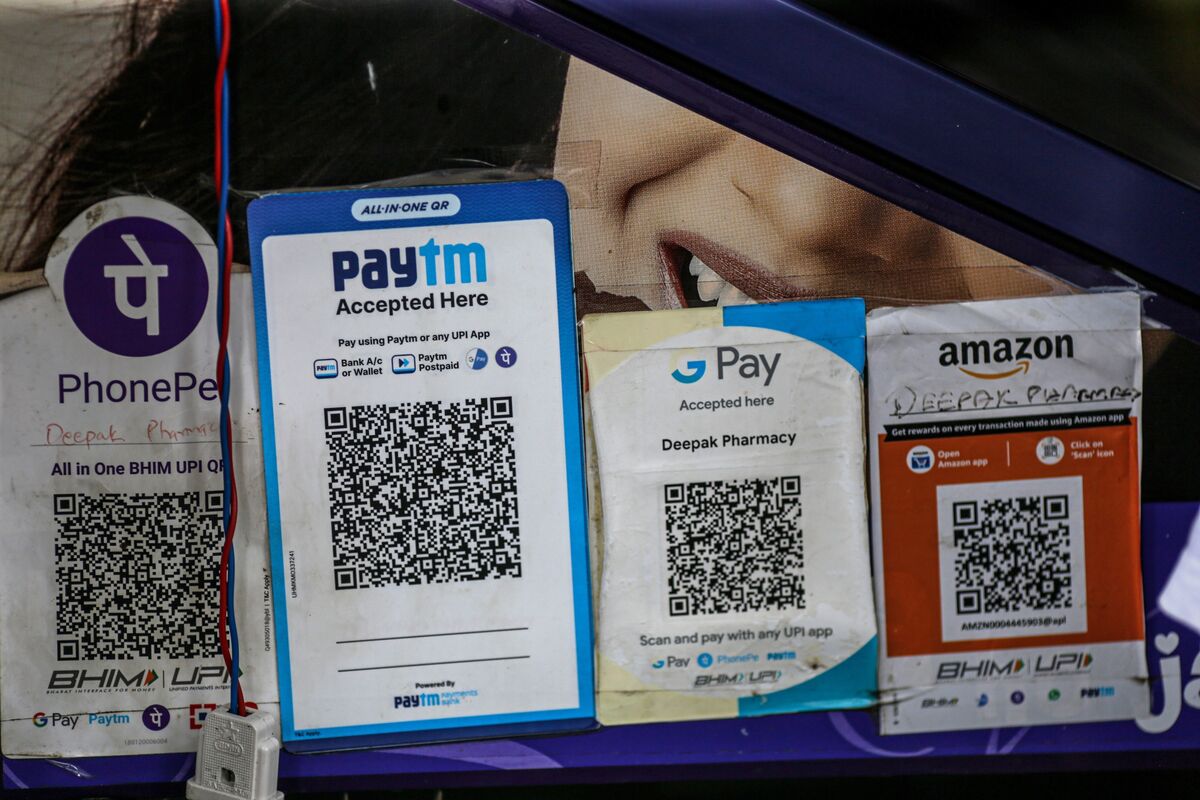
India is debating whether to charge fees for UPI payments, with UPI having grown sevenfold over the past five years. The discussion introduces uncertainty around how cost changes could affect usage and consumer demand. Overall, it’s a policy/regulatory controversy rather than a confirmed earnings or macro shock.
This is more a pricing-power debate than a near-term earnings event. A UPI fee, if it ever materializes, would likely be designed to monetize merchant flow rather than politically sensitive peer-to-peer transfers, which means the first winners are the rails and the ecosystem vendors with the strongest merchant distribution, while the losers are high-frequency, low-ticket consumer checkout businesses. The key market mechanism is not the fee itself but the mix shift it can trigger: even a small take-rate can shave transaction frequency at the margin, which is enough to pressure valuation multiples for fintechs whose bull case rests on accelerating payment volume rather than durable monetization.
The second-order spillover is into retail and platform economics. Quick commerce, food delivery, ride-hailing, and small merchants would be the most sensitive because payment friction can hit conversion and basket size before it shows up in headline GMV; that argues for watching consumer internet names and merchant acquirers rather than just payments pure plays. Banks with card and merchant-acquiring exposure could see some substitution benefit if UPI economics worsen, but the uplift is likely modest and slower-moving than the selloff in high-beta fintechs.
The contrarian point is that the market may be overestimating policy follow-through. UPI is now too embedded to be taxed like a normal payment rail, so any fee regime is likely to be narrow, delayed, or offset by subsidies for smaller merchants. That makes headline-driven shorts in payment names risky unless there is an actual draft framework; the cleaner trade is to fade overreaction on political noise and wait for a real implementation path, which would take months, not days.
AI-powered research, real-time alerts, and portfolio analytics for institutional investors.
Request DemoOverall Sentiment
neutral
Sentiment Score
-0.05
