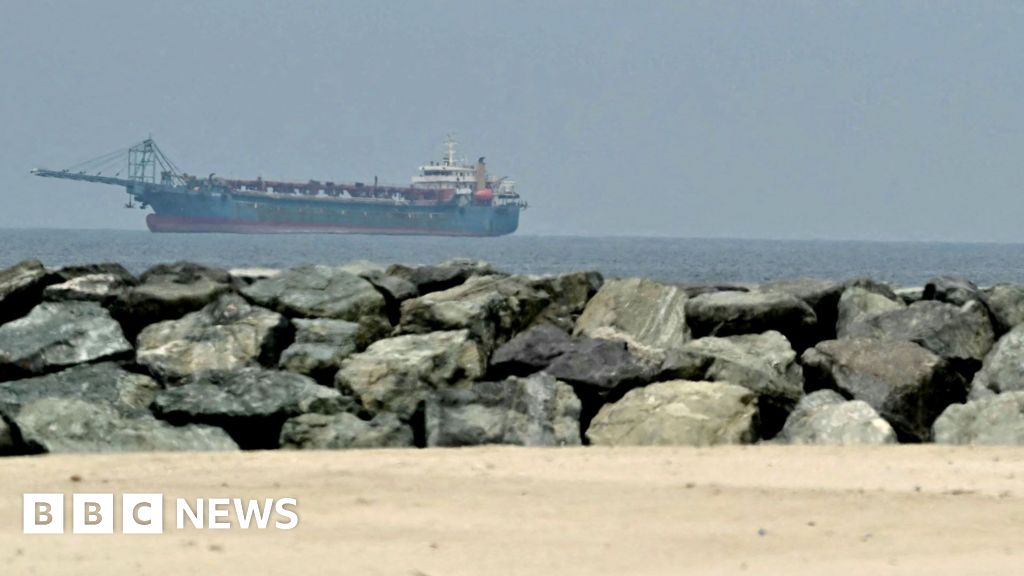
The US is considering enforcing a blockade on vessels entering or leaving Iranian ports, a move that could interrupt oil and petrochemical flows and push energy prices higher. Analysts say the plan is feasible but risky, with Iran likely able to absorb pressure and respond through disruption in the Strait of Hormuz, where roughly 30 traceable transits were recorded in the prior 48 hours. The article frames the situation as a high-stakes geopolitical gamble with potential market-wide implications for shipping, oil supply, and global risk sentiment.
This is less an oil-supply shock than a liquidity-and-risk-premium shock, and that distinction matters for positioning. The first-order move is higher prompt crude and wider tanker freight, but the second-order effect is a deterioration in confidence around any route-dependent Asian manufacturing or petrochemical margin that relies on Gulf feedstock. The market likely underprices how fast insurers, charterers, and commodity traders will internalize a “stop-start” regime: even limited interdictions can freeze optionality, forcing precautionary inventory builds and higher working-capital needs across the chain. The key asymmetry is that the US can raise friction faster than it can create durable coercion. A blockade that avoids direct naval risk still leaves Iran with retaliatory tools that are cheaper to deploy than Western enforcement: sporadic harassment, deniable mine risk, and selective escalation designed to keep risk premiums elevated without triggering a decisive response. That favors assets with embedded geopolitical convexity — defense, cyber, and energy services — while punishing airlines, container shipping, industrials, and Asian import-dependent chemicals if the episode lasts more than 2-4 weeks. The consensus mistake is to frame this as a binary “open or closed” Strait event. The more probable path is a prolonged gray-zone interruption that is operationally manageable but financially toxic: partial throughput, intermittent U-turns, and a persistent bid in freight and insurance. That means the trade may be better expressed through volatility and relative value than outright commodity beta, because once inventories are rebuilt, outright crude can mean-revert even while shipping and defense names keep re-rating. The biggest reversal catalyst would be a credible diplomatic back-channel involving China, which can compress the risk premium quickly if Beijing leans on Tehran to preserve flows.
AI-powered research, real-time alerts, and portfolio analytics for institutional investors.
Request DemoOverall Sentiment
strongly negative
Sentiment Score
-0.55
