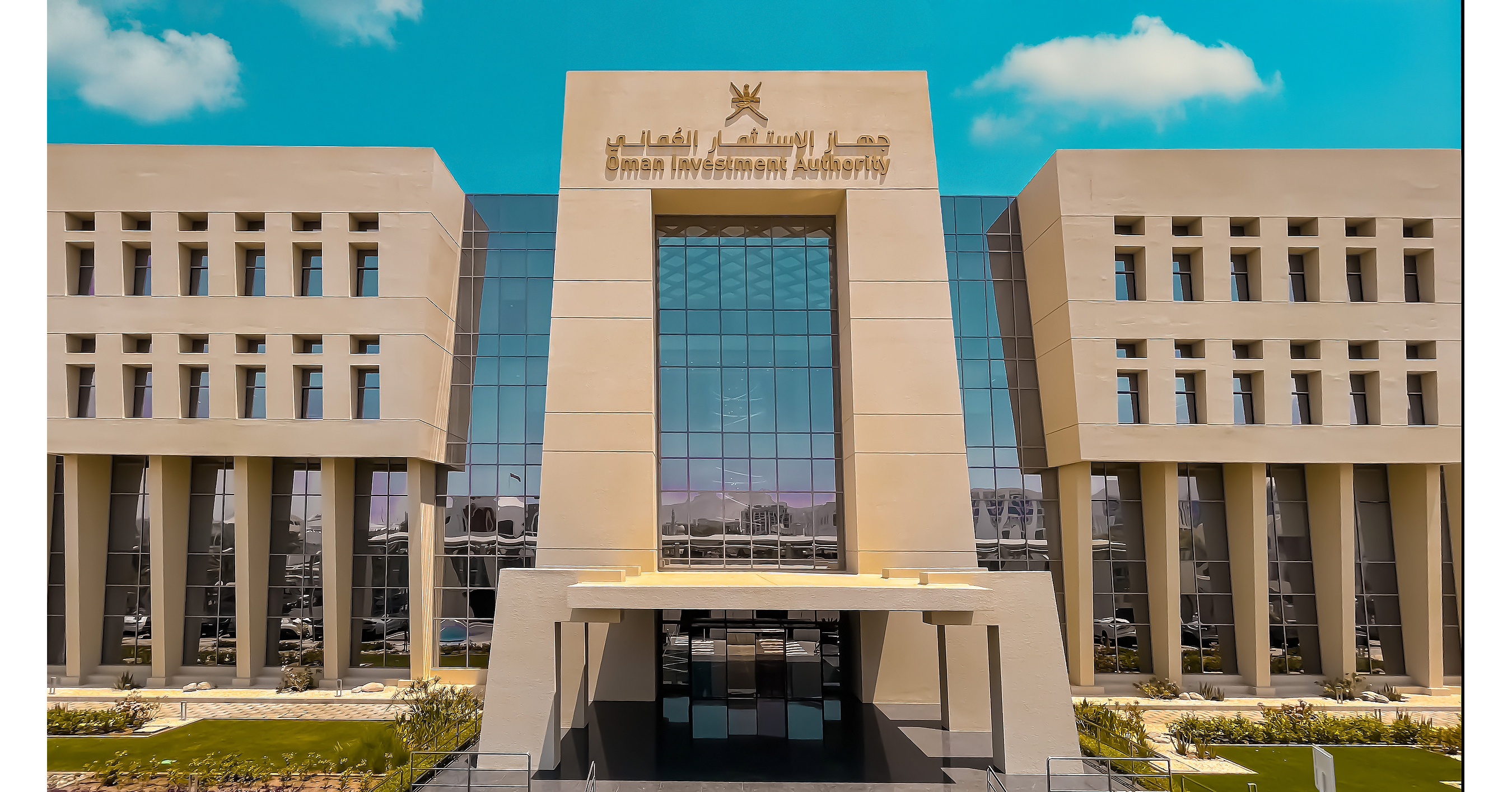
El Fondo Futuro de Omán (FFO) anunció un paquete de 105 proyectos e inversiones estratégicas por USD 1.744B, en el marco de la diversificación económica del sultanato. La cartera combina USD 585M en compromisos de fondos de operaciones y ~USD 458M en inversión local, con foco en energías renovables, fabricación avanzada y turismo. Destacan el proyecto Orion Solar (capacidad anual de 6 GW) y el Industrial Gallant (66.000 t/año de material catódico LFP), además de apuestas en ciberseguridad con IA (XCyber) y un nuevo Fondo de Inversión en Salud de USD 130M; el FFO también comprometió USD 200M a Vivo Capital.
This reads less like a near-term earnings catalyst and more like a sovereign credibility exercise. The market mechanism is potential spread compression: if investors believe these projects are financed with patient capital and can attract foreign operators, Oman’s cost of capital can fall faster than its GDP impact shows up. The opposite risk is that an ambitious capex pipeline gets treated as quasi-fiscal spending if execution is weak, which would cap any rating or bond benefit.
For listed markets, the direct winners are not obvious, but the second-order beneficiaries are EPCs, infrastructure services, cyber-security vendors, and niche healthcare/venture managers that can win follow-on mandates. The solar and battery localization angle is strategically interesting, yet the global supply-chain read-through is probably overstated; a 6GW cell/module plant and LFP cathode project are meaningful for Oman, but too small to move broad solar or battery equity indices by themselves.
The contrarian point is that investors may overvalue the announcement and undervalue the bottlenecks: power pricing, water, port logistics, labor depth, and offtake quality will decide whether these assets become export engines or subsidy sinks. On a 1-3 month horizon, watch Oman sovereign spreads and any follow-on FDI announcements; on a 6-18 month horizon, the thesis is only valid if non-oil revenue and private-capital crowd-in improve in a measurable way. If oil weakens or project slippage appears, the credit-positive narrative can reverse quickly.
AI-powered research, real-time alerts, and portfolio analytics for institutional investors.
Overall Sentiment
moderately positive
Sentiment Score
0.35
