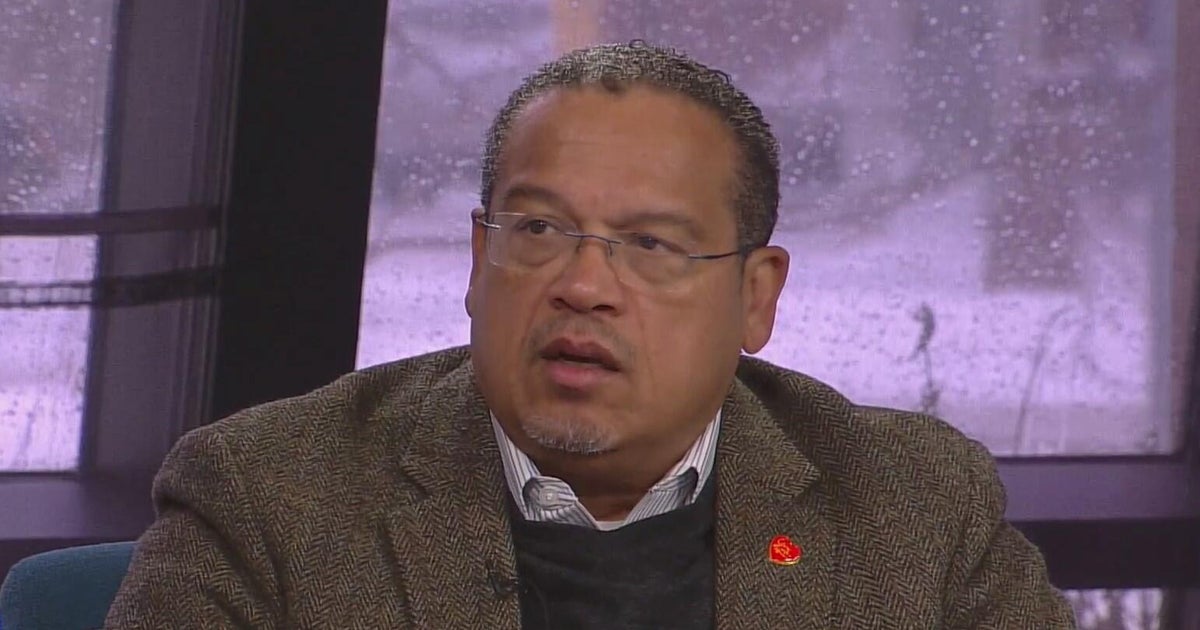
A Minnesota judge denied the state and a coalition of cities' request for a temporary restraining order to halt Operation Metro Surge, finding the plaintiffs had not met the burden for emergency relief; the lawsuit filed after the deaths of Renee Good and Alex Pretti will continue. Attorney General Keith Ellison said the state will pursue the case while federal enforcement of the operation continues; he also reported a productive meeting with acting ICE director Tom Homan amid improved communication, while Homeland Security Secretary Kristi Noem praised the ruling. The decision sustains ongoing federal enforcement activity and prolongs litigation and political contention between state and federal authorities.
Market structure: This is a largely idiosyncratic legal/political event with limited direct market winners — short-term beneficiaries are federal homeland-security contractors and surveillance-tech suppliers (LHX, LDOS, NOC, RTX) if federal operations scale; losers are Minnesota municipal issuers, local hospitality/retail and municipal insurers who absorb legal/operational costs. Expect any market reaction to be localized: MN GO yields could move +10–50bps versus national munis if litigation escalates, but nationwide credit spreads should stay within +/-5–10bps absent violent escalation.
Risk assessment: Tail risks include a violent escalation or state injunction (low prob, high impact) that could force abrupt federal withdrawal or large settlements, pushing MN muni spreads +50–100bps and prompting insurance claims; timeline: immediate (days) for headlines and local sentiment, short-term (weeks–months) for court rulings and budget impacts, long-term (quarters) for precedent altering federal/state operational frameworks. Hidden dependencies: municipal budgets, pension demands, and municipal insurer reinsurance contracts could transmit losses beyond MN; catalysts include federal court appeals, AG public statements, and any on-the-ground violent incidents.
Trade implications: Favor tactical, small-size exposure to homeland-security primes: consider 0.5–1.5% portfolio long positions in LHX and LDOS (each) for 3–6 months to capture potential contract tailwinds; reduce MN-specific muni duration and/or underweight MN GO holdings by 50% if MN 10-year GO yield widens >25bps vs. Muni AAA benchmark. Use options to cap downside: buy 3-month ATM calls on LHX (5–10% OTM) sized 0.5% portfolio or sell short-dated puts only if implied vol spikes >15%.
Contrarian angle: The market consensus underestimates that this will likely remain a legal/political headline cycle rather than a systemic credit event — historical parallels (local federal/state clashes 2019–2021) produced short-lived muni dislocations (<30 days, <30bps). If MN muni spreads widen >25–40bps, consider opportunistic long on MN GO bonds or a state-specific muni ETF (size 1–2%) as a mean-reversion trade; conversely, if contractors rally >8–12% without contract awards, be ready to take profits within 4–8 weeks.
AI-powered research, real-time alerts, and portfolio analytics for institutional investors.
Request DemoOverall Sentiment
neutral
Sentiment Score
-0.10
