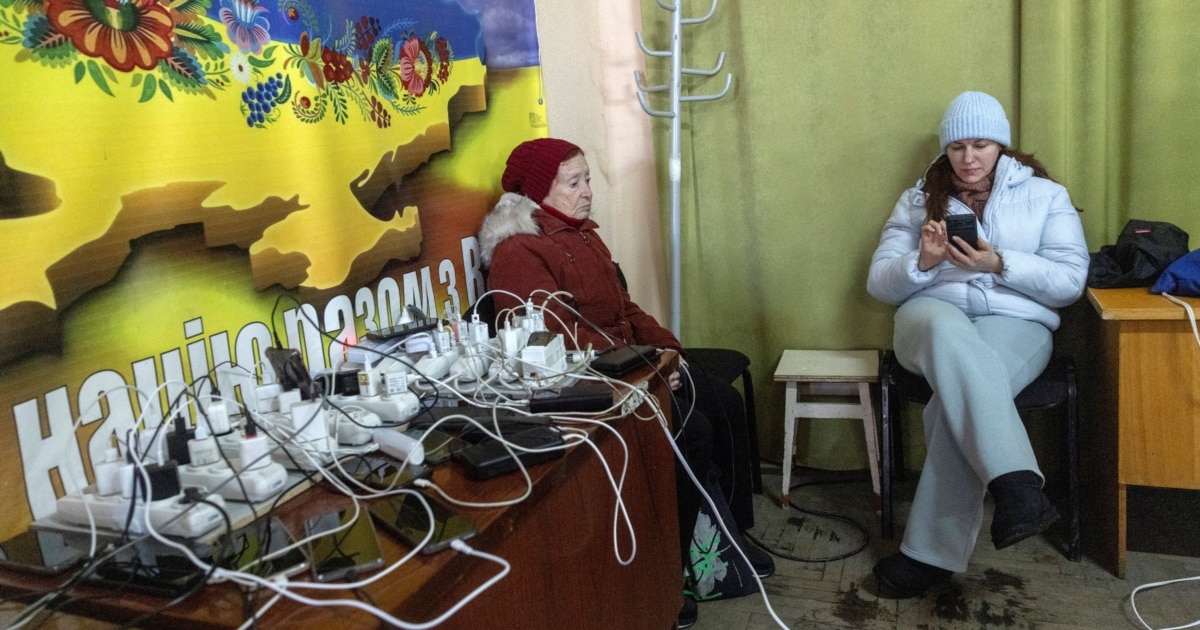
Ukraine reports sustained, large-scale Russian strikes that have heavily damaged energy and transport infrastructure, with President Zelenskyy saying nearly 1,100 strike drones, over 890 guided aerial bombs and 50+ missiles were used in the past week. Major incidents include a Jan. 9/10 combined strike using 36 missiles and 242 drones (with impacts recorded from 18 missiles and 16 drones), 154 drones launched overnight Jan. 10-11 (125 intercepted), at least eight civilian deaths in Kyiv and Donetsk and dozens injured, more than 1,000 Kyiv apartment buildings without heating and over 500,000 consumers without electricity, and damage to railway infrastructure forcing temporary diesel operation. Zelenskyy highlighted urgent need for air-defence missiles from European depots, a factor that could influence defense procurement and regional energy-security-related market positioning.
Market structure: Immediate winners are air‑defense and weapons suppliers (Lockheed Martin LMT, Raytheon RTX, Northrop NOC) and grid/repair equipment providers (Siemens SIE.DE, ABB ABB) as demand for interceptors, generators and transformers spikes; losers are Ukrainian utilities/transport operators and short‑cycle consumer activity in affected regions (rail operators, small caps tied to Ukrainian commerce). Expect pricing power for SAMs and precision munitions to rise and lead times to extend from weeks to months, creating 20–40% margin expansion for niche suppliers in the next 6–12 months if Western aid accelerates.
Risk assessment: Tail risks include escalation to strategic strikes on European infrastructure, major NATO entanglement, or severe winter energy shortages that push European gas prices >+50% vs current levels; low probability but >5% over next 3 months. Immediate (days) risk is operational disruption to logistics and energy, short‑term (weeks/months) is commodity/defense order re‑pricing, long‑term (quarters/years) is reconstruction CAPEX and accelerated domestic energy investment shifting demand curves.
Trade implications: Favor short‑dated commodity and defense exposures and long duration hedges: buy tactical oil/gas exposure for 1–3 months while increasing defense equities for 6–12 months; use Treasuries/gold as hedges for 1–3 months. Relative trades: long pure‑play defense vs short commercial aerospace where passenger demand is stable but defense budgets reroute capital (long NOC, short BA). Use option structures to own convexity (call spreads on defense, straddles around major aid announcements).
Contrarian angles: Consensus focuses on immediate humanitarian impact; markets may underprice multi‑year reconstruction and modernization demand (power grid, rail, housing) – winners are heavy equipment and industrial automation over 12–36 months. Reaction may be overdone in cyclical European utilities that already sold off; buying selective equipment makers (ABB, CAT) on >15% pullback could capture reconstruction upside. Unintended consequence: higher defense ordering could divert ESG capital into industrials and energy, creating sectoral reallocation opportunities.
AI-powered research, real-time alerts, and portfolio analytics for institutional investors.
Request DemoOverall Sentiment
strongly negative
Sentiment Score
-0.75
