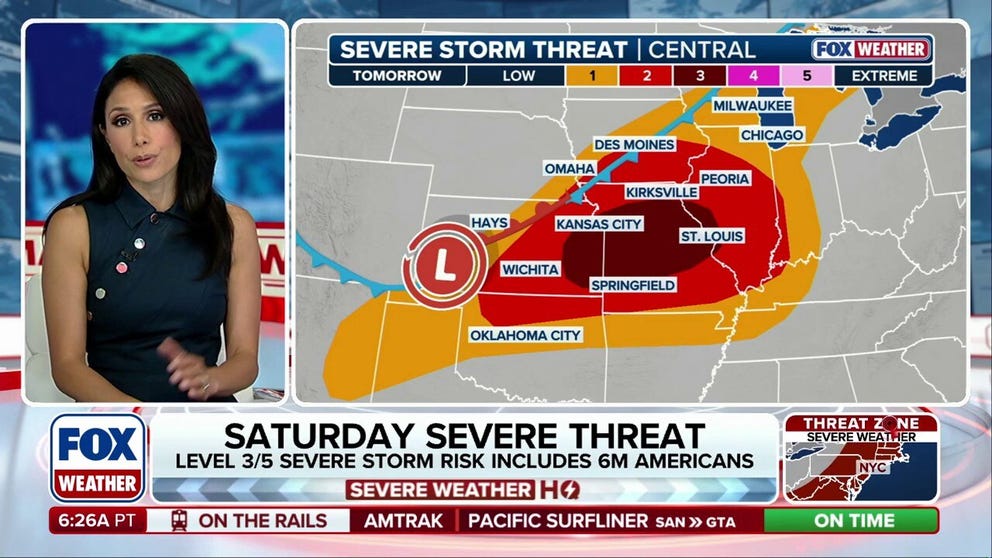
At least 1 person was killed and several others injured when damaging winds caused an outdoor tent to collapse during a church service at EastLake Community Church in Moneta, Virginia. National Weather Service storm reports said outflow from a nearby thunderstorm blew down two tents, with multiple injuries reported and some attendees transported for medical treatment. The incident is a developing local tragedy, but it is unlikely to have broader market impact.
This is not an equity event, but it is a clean reminder that severe-weather losses increasingly show up first as liability, event-cancellation, and emergency-response expenses rather than just headline property damage. The second-order winner set is narrow: specialty insurers and reinsurers with disciplined cat books can absorb isolated events, but if this pattern broadens into a season of localized convective losses, loss ratios for regional personal/commercial writers can reprice quickly because these events are under-modeled relative to hurricanes and wildfire. The losers are less the obvious property owners than anyone with thin margins and exposure to outdoor gatherings, temporary structures, or short-duration event interruption risk.
The key market implication is that convective storm volatility tends to become visible with a lag of weeks to months through reserve strengthening and higher reinsurance demand, not immediately in stock prices. That creates a window where the consensus underestimates how many “small” events can compound into a meaningful earnings reset for regional carriers. The more interesting second-order effect is on municipal and nonprofit risk managers: after an incident like this, demand for higher-coverage event liability, weather-triggered cancellation products, and rapid-deployment shelter standards should improve.
Contrarian view: one death and a handful of injuries is tragic but still micro in macro terms, so broad weather-beta trades are likely overkill unless this is the first of a clustered seasonal pattern. The better expression is to target underwriting discipline and catastrophe sensitivity rather than generic “disaster” exposure. If severe convective activity stays elevated over the next 30-60 days, the market may have to re-rate names with outsized Southeast personal-lines books before the broader index reacts.
AI-powered research, real-time alerts, and portfolio analytics for institutional investors.
Request DemoOverall Sentiment
strongly negative
Sentiment Score
-0.85
