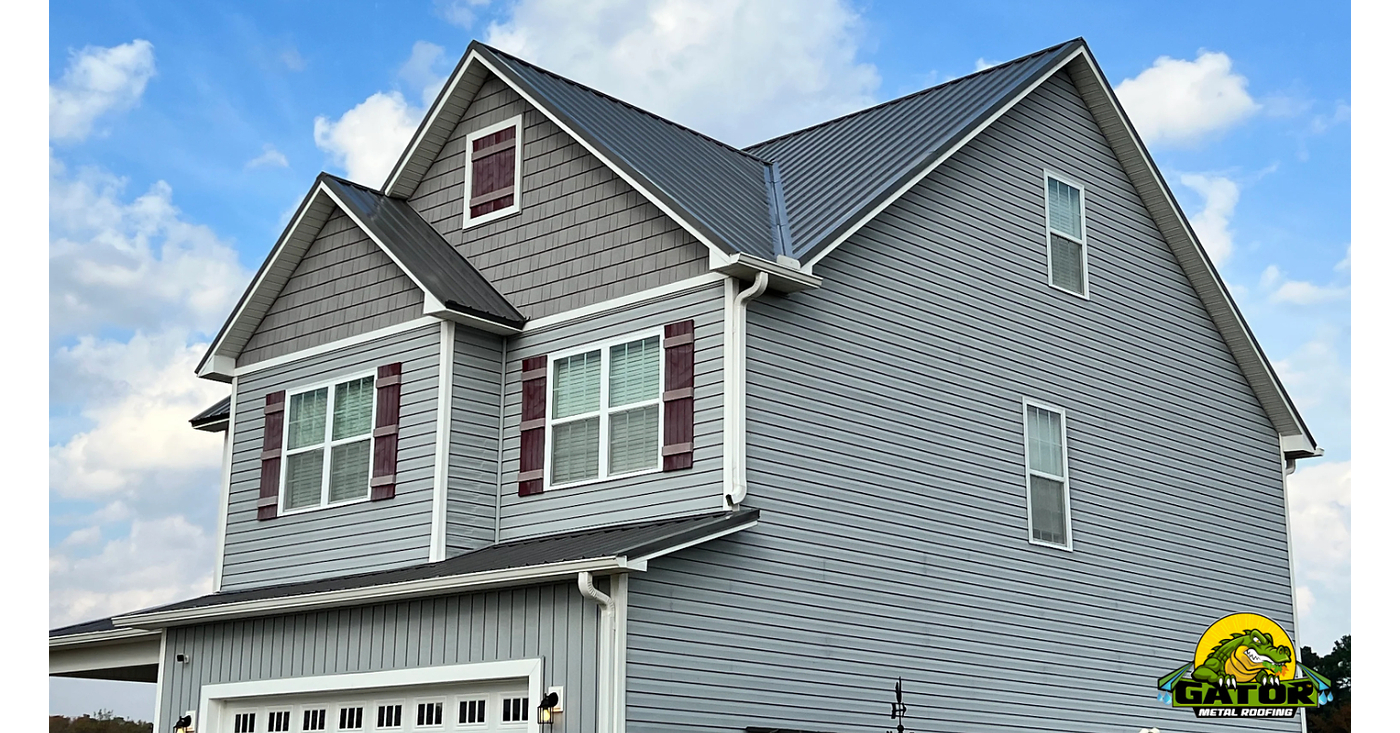
Gator Metal Roofing (North Carolina) highlights its vertically integrated model—owning and operating its HeatShield™ metal roofing factory in Asheboro to provide manufacturing-to-installation quality control. The company is also promoting a limited-time $3,000 summer savings offer on qualifying home improvement projects in North Carolina and South Carolina, including metal roofing, replacement windows, and patio doors. The article is promotional/product-focused and does not provide financial results or guidance, suggesting minimal near-term market impact.
This is not a market-moving headline on its own; it is a micro-level proof point that vertical integration can defend margin in residential repair/remodel. The second-order implication is that the economic value chain shifts away from distributors and commodity shingle providers toward whoever controls lead generation, fabrication, and installation discipline. If that model scales in the Southeast, the broader winner set is likely coated-steel suppliers, home-improvement finance providers, and storm-restoration labor networks rather than big-box retail.
The contrarian read is that the advertised moat may be overstated: lifetime warranties create deferred liability, and the real stress test is not marketing but rework rates, labor availability, and cash conversion when lead costs rise. In a higher-rate environment, premium roofing is a discretionary upgrade until insurance claims or storm damage force replacement, so any durability narrative can reverse quickly if local housing activity softens. Over 1-3 months this is mostly noise; over 6-18 months it becomes relevant only if regional reroofing mix and premium take-rate visibly improve in public comps.
AI-powered research, real-time alerts, and portfolio analytics for institutional investors.
Request DemoOverall Sentiment
neutral
Sentiment Score
0.10
