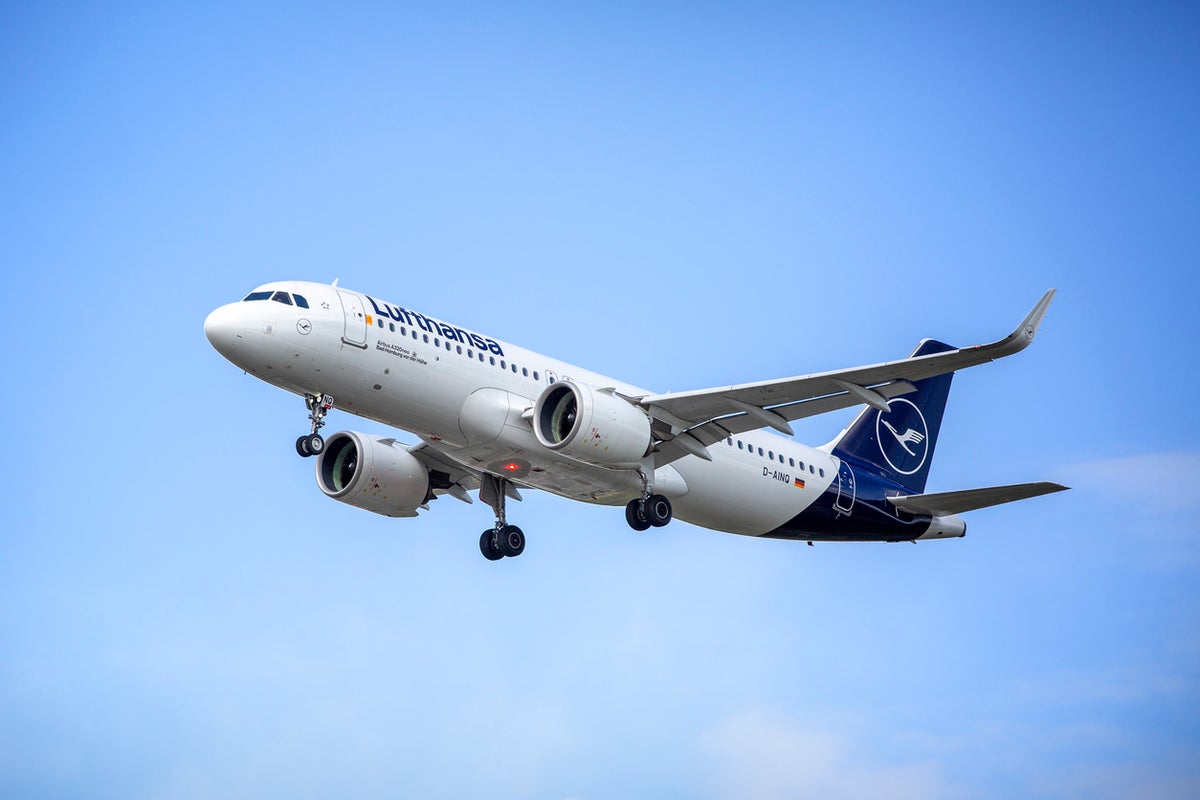
Lufthansa Group is cancelling 20,000 flights over the next six months and cutting summer capacity by about 1% to save 40,000 metric tonnes of jet fuel after fuel prices doubled. The first 120 daily cancellations began Monday and will run through the end of May, with some routes removed entirely, including Frankfurt-Bydgoszcz, Frankfurt-Rzeszów and Frankfurt-Stavanger. The move highlights margin pressure from higher fuel costs, though the company says summer fuel supply should remain largely stable.
This is less a demand shock than a margin-protection signal: airlines are choosing to shrink the network before fuel fully reprices tickets, which usually means earnings revisions lag the market by one quarter. The first-order losers are short-haul regional feeders and airport operators tied to hub traffic; the second-order winner is the carrier with the strongest schedule flexibility and pricing power, because capacity removed from weak routes tends to reappear on stronger ones, widening competitive gaps inside the sector.
The more important read-through is that this creates a temporary scarcity premium in European short-haul seat inventory into the summer peak. That should support fare yields for network carriers with limited overlap and for rail on dense city pairs, especially where travelers can switch within a 2-4 hour trip window. However, if jet fuel remains elevated for another 6-10 weeks, expect broader capacity discipline across the industry, which could turn a contained cost issue into a sector-wide supply squeeze.
The contrarian risk is that the market may underappreciate how quickly airlines can pass through fuel when schedules are tight and demand is still seasonally firm; in that case, the earnings hit is smaller than consensus expects, but consumer trade-down and lower ancillary spend emerge later. The real catalyst to watch is not the current cancellations but whether peers follow with revisions in late April/May. If they do, you likely get a better entry point to short the weakest balance sheets after guidance cuts rather than on the headline itself.
AI-powered research, real-time alerts, and portfolio analytics for institutional investors.
Overall Sentiment
mildly negative
Sentiment Score
-0.38
