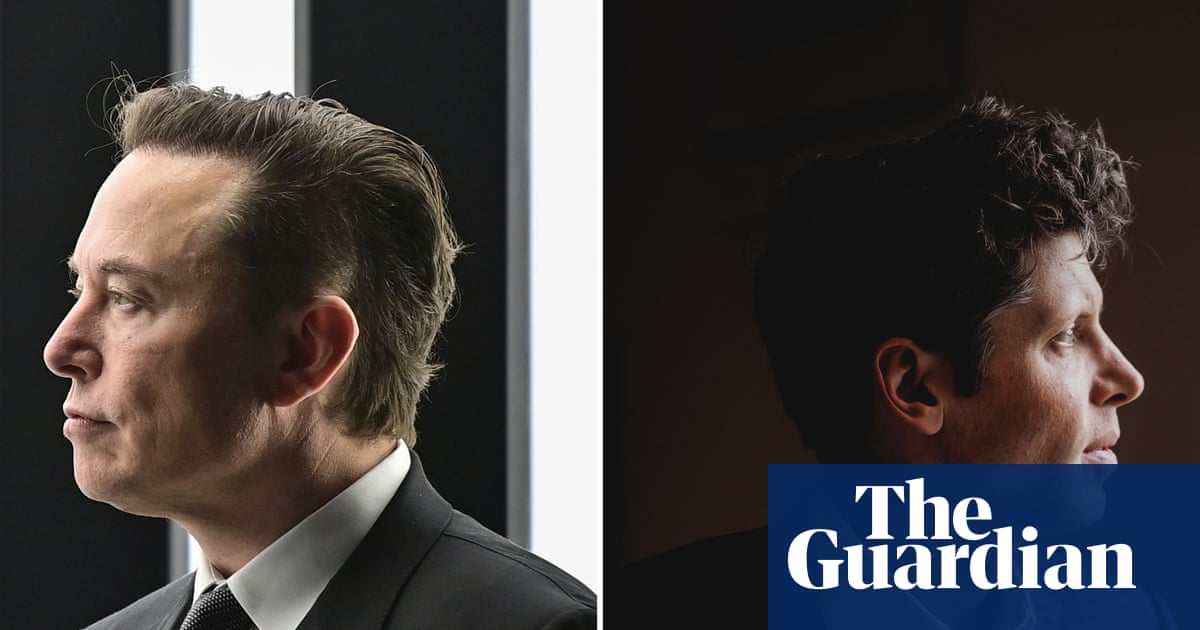
A jury is set to decide Elon Musk’s lawsuit accusing Sam Altman, OpenAI and Greg Brockman of breaching OpenAI’s charitable founding mission when the company was restructured into a for-profit entity. Musk is seeking removal of Altman and Brockman, unwinding of the restructuring, and redistribution of $134bn from OpenAI’s for-profit arm to its non-profit. OpenAI denies wrongdoing and says Musk knew about profit plans, while the trial also highlighted governance turmoil and the company’s planned $1tn IPO.
The market impact is less about the legal merits and more about whether this trial creates an overhang on OpenAI’s capital formation path. A liability finding would not just be a headline risk; it could force a re-underwrite of the company’s governance architecture right as it is trying to price an IPO-like outcome around a $1tn valuation, which would compress private marks across late-stage AI. That matters for MSFT more than the street is likely pricing: Microsoft’s strategic optionality benefits from OpenAI’s growth, but a restructuring reset or forced non-profit control would reduce the probability that MSFT can monetize its embedded exposure on clean, public-market terms.
The second-order winner in a negative verdict is not necessarily a rival model company, but the broader AI infrastructure stack. If OpenAI is distracted by governance remediation or delayed listing, capital allocation can shift toward picks-and-shovels names with cleaner governance and more diversified demand, while chip and cloud vendors may still harvest spend as frontier AI customers hedge concentration risk. On the other hand, a Musk win that weakens OpenAI’s restructuring would likely spur competitors to accelerate enterprise distribution and pricing, because customers do not like buying from a platform whose future control rights are in litigation.
For TSLA, the direct linkage is mostly sentiment and management attention rather than fundamentals. The larger risk is that Musk’s trial behavior reinforces the market’s “founder distraction premium” and keeps a lid on multiple expansion until investors see sustained focus on Tesla execution; that argues for event-driven downside hedges rather than outright directional shorts. Conversely, if Musk loses and the case becomes a reputational overhang, the stock could still rally on relief if investors view the verdict as removing a regulatory/management distraction from his other businesses.
The contrarian read is that the consensus may be overestimating how much this changes OpenAI’s economics in the next 6–12 months. Even a messy governance outcome probably does not kill demand for frontier AI; it mainly changes who captures the rent and on what timetable. The more durable trade is around dispersion: winners are the infrastructure and platform beneficiaries with balance-sheet strength and no governance headline risk, while the biggest losers are the companies whose valuation assumes frictionless access to public capital and pristine control rights.
AI-powered research, real-time alerts, and portfolio analytics for institutional investors.
Request DemoOverall Sentiment
neutral
Sentiment Score
-0.10
Ticker Sentiment
