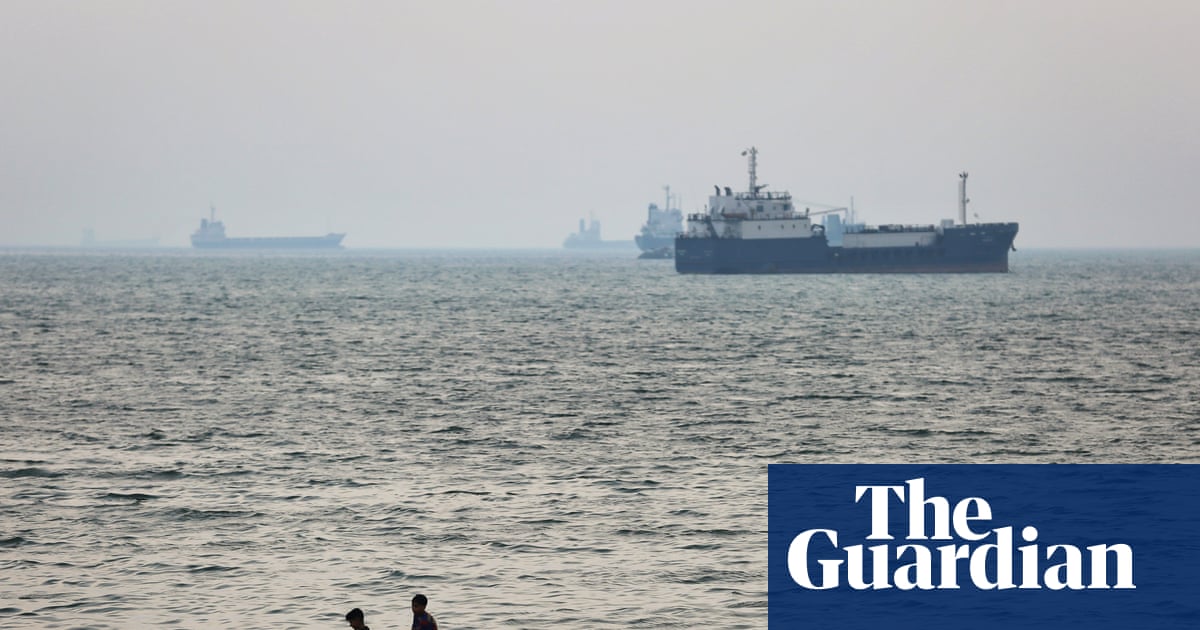
Iran seized two ships in the Strait of Hormuz, escalating the blockade of a waterway that carries about 20% of global oil and liquefied gas flows. The closure has disrupted seaborne energy and raw-material shipments, with Asia facing shortages and Europe already seeing growth and aid pressures; the IMO says about 20,000 seafarers and 2,000 ships are stranded. The standoff also threatens renewed peace talks and adds to geopolitical and inflation risks across global markets.
This is no longer a headline-driven oil spike; it is a logistics shock that can reprice the entire marginal barrel and cargo-mile curve. The first-order impact is on tanker utilization and route economics, but the bigger second-order effect is working-capital stress: higher freight, longer voyages, and insurance frictions force refiners and commodity importers to carry more inventory, effectively tightening supply even if physical barrels eventually move.
The market is underestimating how quickly this flows into non-energy inflation. Asia is the weakest link because it runs the most Gulf-dependent fuel and feedstock supply chains, while Europe and the US absorb the shock through chemicals, fertilizers, diesel, and agricultural input costs rather than crude alone. That means the next 2-6 weeks likely see revisions lower for transport, industrials, and consumer discretionary margins before headline CPI fully reflects the move.
The contrarian angle is that blockade risk can become self-limiting if it starts to threaten the financing and operational integrity of the shipping system itself. If vessel owners, insurers, and bunker suppliers begin refusing Gulf exposure, the market can freeze without any additional kinetic escalation, which would force a policy response faster than diplomacy typically does. That makes this a tactically tradable dislocation with a potentially abrupt reversal once naval deconfliction or a monitored corridor is announced.
The most asymmetric beneficiaries are not broad energy equities but asset-heavy logistics bottlenecks: tanker rates, defense, and upstream names with low Gulf exposure. The most fragile are airlines, trucking, chemical producers, and EM importers with limited price pass-through and short hedge books; their earnings downgrades will show up before macro economists revise growth forecasts further.
AI-powered research, real-time alerts, and portfolio analytics for institutional investors.
Request TrialOverall Sentiment
strongly negative
Sentiment Score
-0.85
