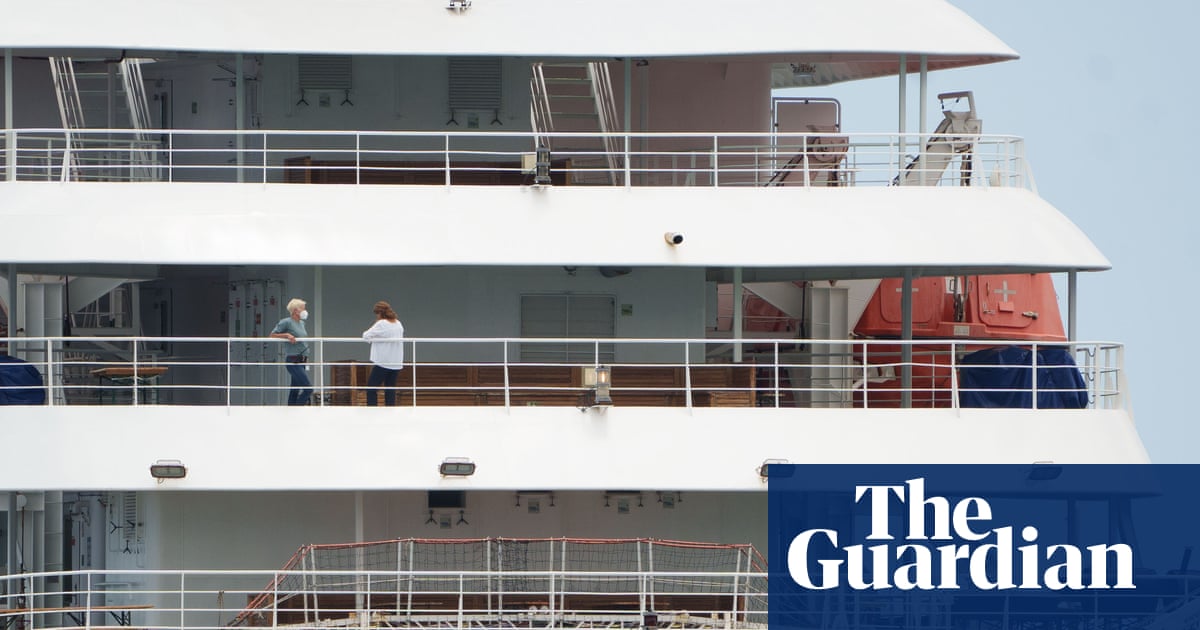
Cruise ships are highlighted as repeated outbreak settings, including three hantavirus deaths on the MV Hondius, an ongoing norovirus investigation, and the Diamond Princess incident where more than 700 of 3,711 onboard eventually tested positive for Covid. The article focuses on why infection spreads rapidly at sea, the limits of shipboard medical/testing capacity, and practical mitigation steps such as vaccination, handwashing, and isolation. The piece is broadly negative for cruise travel sentiment, but it is informational rather than company-specific.
Cruise lines face a structurally asymmetric risk profile: a single onboard pathogen event can convert a high-margin, fixed-cost asset into an evacuation/itinerary-disruption liability within days. The second-order issue is not just headline demand loss, but margin compression from incremental medical staffing, sanitation, itinerary changes, and the very real possibility that one ship’s outbreak triggers precautionary behavior across the fleet, particularly for older, premium passengers who are disproportionately important to yield.
The market often underprices how quickly contagion risk can move from idiosyncratic to sector-wide. Because cruise demand is booked months ahead, the first order hit is usually limited to near-term occupancy, but the real earnings risk appears in the next 1-2 quarters through pricing concessions, weaker close-in bookings, and higher cancellation/insurance claims. On the other side, the beneficiaries are less obvious: travel insurers, sanitation/water treatment vendors, and potentially vaccine-adjacent healthcare names if the narrative broadens from cruise-specific hygiene to broader travel-health preparedness.
A key contrarian point is that the selloff in cruise equities after an outbreak can be overdone if the event remains isolated and the ship returns to normal operations quickly. These companies have already built some operational playbooks post-Covid, so the incremental equity downside may be more about sentiment than balance sheet damage unless multiple ships are implicated or regulators step in. The true tail risk is a multi-ship respiratory norovirus-style cluster during peak booking season, which would force visible capacity cuts and could take 1-2 quarters to work through.
AI-powered research, real-time alerts, and portfolio analytics for institutional investors.
Request DemoOverall Sentiment
moderately negative
Sentiment Score
-0.45
