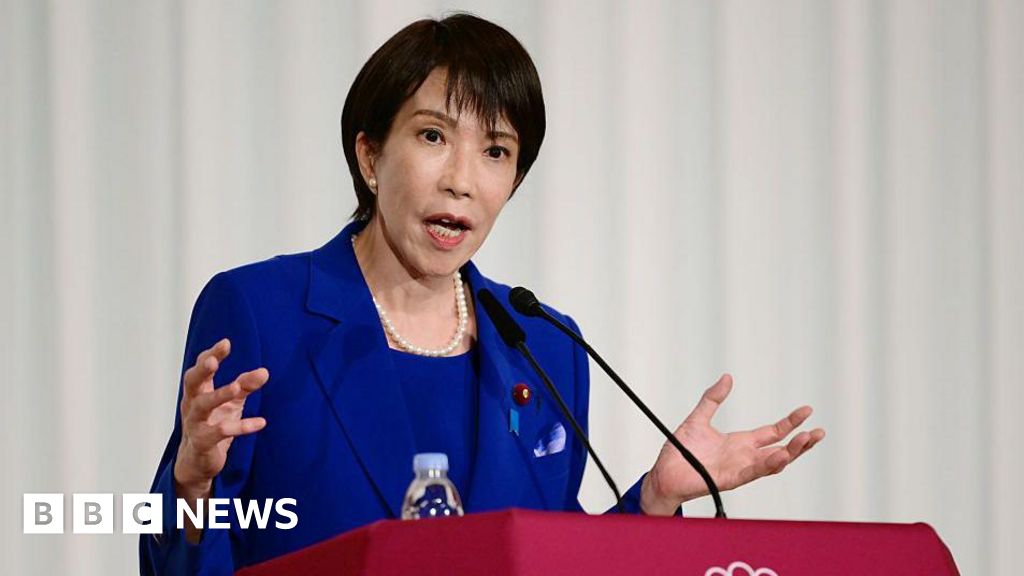
Japan's Nikkei 225 index surged to a record high, climbing 4.5% to over 47,000, after the ruling Liberal Democratic Party named pro-business Sanae Takaichi as its new leader, positioning her as the next Prime Minister. Investors reacted positively to her proposed policies of increased government spending and lower borrowing costs, echoing Abenomics, despite the yen simultaneously hitting a record low against the euro and dropping 1.7% against the USD. This initial market response highlights expectations for economic stimulus, though it also underscores potential currency weakness from rising debt and the challenges Takaichi faces in managing a sluggish economy and critical US trade relations.
Japan stocks hit record after ruling party names pro-business leader Japanese stocks have hit a record high after the country's ruling Liberal Democratic Party (LDP) named Sanae Takaichi as its new leader, positioning the pro-business politician to be Japan's next prime minister. The benchmark Nikkei 225 index was up by around 4.5% on Monday afternoon in Tokyo, after rising above 47,000 for the first time. Takaichi, who has held senior government roles including minister for economic security and internal affairs, is known for her support of higher government spending and lower borrowing costs. She is also a long-time admirer of former UK prime minister Margaret Thatcher and her free market approach to economics. Investors welcomed the announcement of her victory in the LDP leadership race, with shares rising in real estate, technology and heavy industry companies. While the Japanese stocks rose, the yen hit a record low against the euro and dropped by 1.7% against the US dollar. Monday's market response was largely a "knee-jerk reaction" to the potential appointment of Takaichi as prime minister, Japan economist Jesper Koll told the BBC. While her policy proposals to stimulate the economy through increased government spending could benefit businesses, they may further weaken the yen as Japan's debt rises, said Mr Koll. If confirmed later this month as the successor to Shigeru Ishiba, Takaichi will be Japan's first female prime minister. Mentored by late Prime Minster Shinzo Abe, she has championed his economic vision - known as Abenomics - of high public spending and cheap borrowing. If confirmed in the role, Takaichi will have to navigate a challenging US-Japan relationship and see through a tariff deal with US President Donald Trump's administration, which was previously agreed by the Ishiba government. She would also have to contend with a sluggish economy and households grappling with higher costs and slow wage growth. With Trump expected to visit Japan later this month, Mr Koll said Takaichi will be eager to negotiate a new agreement with the US president "to get the dollar down and to get the yen up." The Japanese equity market has responded with strong optimism to the prospective appointment of Sanae Takaichi as Prime Minister, with the Nikkei 225 index surging approximately 4.5% to a record high above 47,000. This rally, concentrated in real estate, technology, and heavy industry, is a direct reaction to her pro-business platform, which champions higher government spending and lower borrowing costs in a continuation of the 'Abenomics' framework. However, this equity boom is starkly contrasted by significant weakness in the currency market, where the yen dropped 1.7% against the US dollar and hit a record low against the euro. This divergence highlights a critical trade-off: while fiscal stimulus is perceived as a tailwind for corporate Japan, it simultaneously raises concerns about escalating sovereign debt, which is weighing on the yen. According to economist Jesper Koll, the market's initial move is a 'knee-jerk reaction,' and Takaichi may actively seek to reverse the yen's decline through negotiations with the US. This policy intention creates a notable uncertainty, layering risk on top of existing challenges such as a sluggish domestic economy and sensitive trade relations with the Trump administration.
AI-powered research, real-time alerts, and portfolio analytics for institutional investors.
Request DemoOverall Sentiment
strongly positive
Sentiment Score
0.75
Ticker Sentiment
