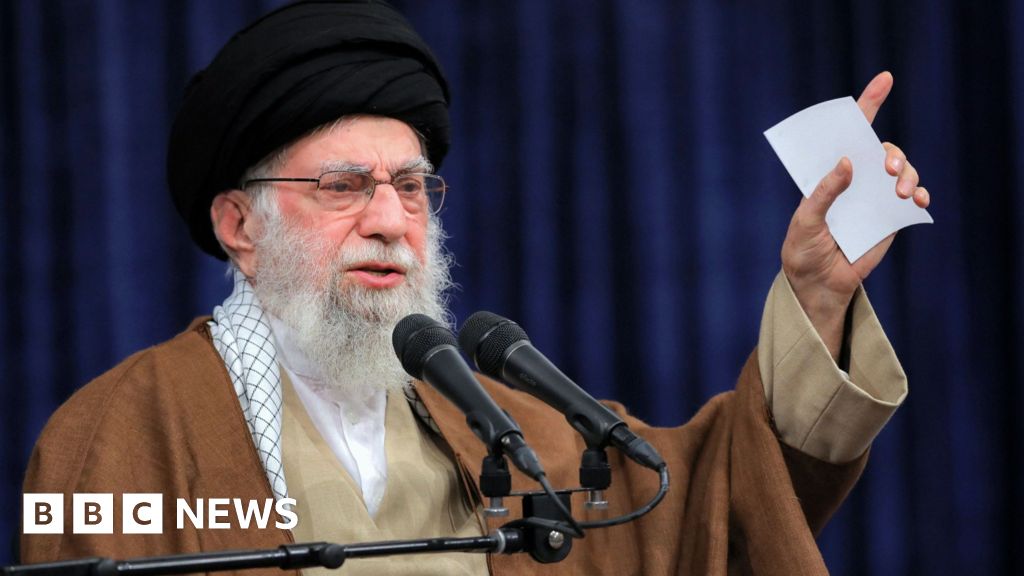
The US has bombed Iranian nuclear sites at Israel's urging, a move praised by Israeli Prime Minister Netanyahu as a potential turning point in the conflict. While the US claims its military action is complete and not aimed at regime change, Iran has vowed retaliation for any US military intervention, raising concerns about potential attacks on US assets in the region, including warships and oil infrastructure, which could disrupt global oil supplies and increase prices. The situation remains tense as the Middle East awaits Iran's response and the possibility of further escalation.
A direct US military strike on Iranian nuclear facilities, reportedly at the behest of Israel, has fundamentally altered the geopolitical landscape of the Middle East and introduced significant uncertainty into global markets. This action marks a major escalation, particularly as it represents a reversal of the US administration's stated policy against overseas military interventions. The immediate market impact centers on energy security; Iran has explicitly threatened to retaliate by targeting US assets and disrupting oil flows from the Gulf, which could cause a sharp spike in global energy prices. The situation presents a binary risk profile: a potential de-escalation if Iran's response is limited and symbolic, or a severe escalation into a wider regional conflict if retaliation is significant. The US has indicated its military action is complete but has also threatened overwhelming force in response to any Iranian counter-attack, leaving the region on high alert. The high market impact score of 0.75 underscores the severity of the potential fallout, with direct implications for oil markets, shipping lanes like the Red Sea, and the defense sector.
AI-powered research, real-time alerts, and portfolio analytics for institutional investors.
Overall Sentiment
moderately negative
Sentiment Score
-0.50
