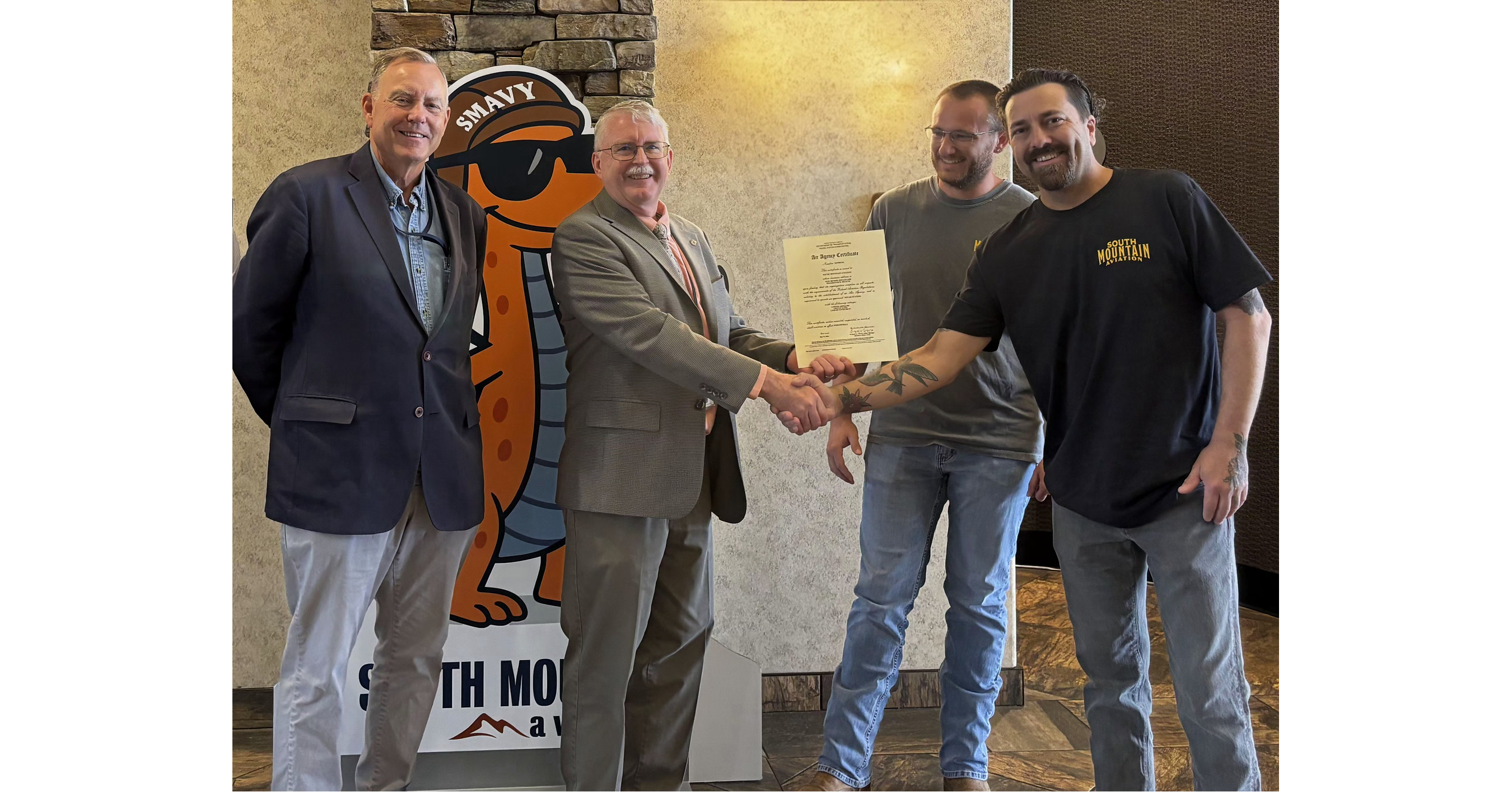
South Mountain Aviation received FAA Part 145 Certification after more than 18 months of work, positioning it as a “go-to” provider for light and very light jet maintenance across the Mid-Atlantic. The company plans to expand staff from 2 to 6 and target a doubling by end-2027, with an added authorization to offer avionics sales and service. While the news is positive for operations and growth prospects, it is unlikely to move broader markets.
This is more of a micro-structure signal than a fundamental one: tighter regional maintenance capacity lowers downtime friction for small-jet operators, which can marginally improve utilization, owner retention, and the willingness to keep older Citation-class aircraft in service. The only direct public-market read-through is TXT: anything that makes the installed base easier to maintain is supportive to aftermarket stickiness and residual values, but the economic magnitude is small unless this scales into a broader service footprint.
The main loser is the incumbent model of forcing customers to travel for routine work. That tends to benefit independent FBO/MRO platforms with local density and hurt out-of-region service centers that rely on captive geography. Second-order, avionics distributors and mobile AOG providers could see incremental share if this shop becomes a one-stop local node, but the near-term revenue impact is likely spread across too many small players to matter for listed equities.
The contrarian point: the market may overread certification as a moat. FAA approval is necessary, not sufficient; the real bottleneck is labor, technician retention, and quality control at scale. If staffing fails to keep pace, service wait times or an audit issue would quickly reverse the story over the next 6-18 months. For TXT, this is best treated as a slow-burn positive for aftermarket sentiment rather than a catalyst for estimate revisions.
Near term there is no obvious trade in TSTS. The only actionable setup is a modest TXT watchlist long on weakness if management commentary later confirms higher aftermarket/service attach in business aviation. Falsifiers are straightforward: no evidence of volume share gains, a service quality event, or any sign that certification simply adds cost without increasing throughput.
AI-powered research, real-time alerts, and portfolio analytics for institutional investors.
Request DemoOverall Sentiment
mildly positive
Sentiment Score
0.35
Ticker Sentiment
