


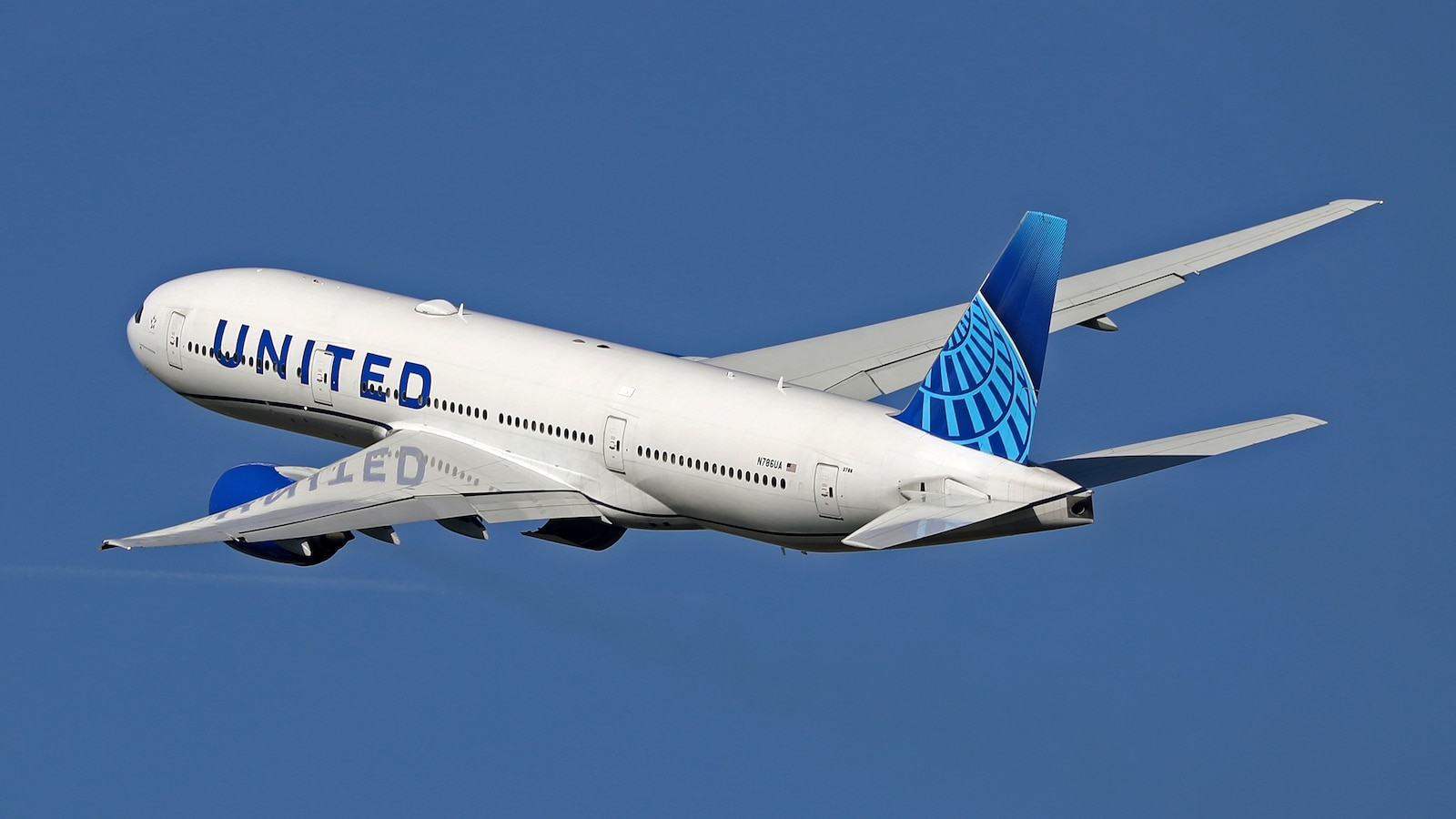
United Airlines updated its contract of carriage on Feb. 27 to require passengers to use headphones when listening to audio or watching video, authorizing the carrier to refuse transport, remove passengers, or impose permanent bans for noncompliance and noting removed passengers may be eligible for a refund. The change, linked by United to the expansion of Starlink and existing Wi‑Fi rules, follows similar policies at carriers such as Southwest and guidelines from Delta; some United flights provide complimentary plug-in headphones. The policy is operational and reputational in nature with limited direct financial implications but could affect customer experience and enforcement costs for management.
Market structure: This is an operational policy tweak with tiny direct P&L impact — winners are airlines able to enforce cabin etiquette cheaply (LUV, DAL) and ancillary headphone vendors; losers are airlines that face higher enforcement friction (potentially UAL) and any short-term PR backlash. Pricing power and market share shifts are minimal — expect revenue impact <0.5% of annual passenger revenue and negligible fare dispersion; however customer satisfaction improvements could modestly reduce complaint-driven costs (order of $1–5m/year for a large carrier).
Risk assessment: Tail risks include regulatory/ADA litigation, viral incidents that force policy reversals, or enforcement-driven operational delays; a single high-profile removal causing a regulatory probe could create a multi-week headline-driven 3–7% share shock. Time horizons: immediate (days) — headlines and social media; short (1–3 months) — legal filings and op metrics; long (3–12 months) — muted financial effect unless removal incidents scale. Hidden dependencies include accelerating in-flight streaming (Starlink) increasing headphone demand and possible supplier partnerships; catalysts are viral enforcement incidents or FAA/DoJ guidance.
Trade implications: Tactical trades should be small and event-driven: consider a 1–2% long position in LUV vs 1% short in UAL as a relative-quality trade for 1–3 months, funded by selling 1–2 week OTM calls on DAL to collect premium. Options: buy 3-month UAL puts 5–10% OTM (size 0.5–1% portfolio) as insurance against operational headlines; avoid large directional bets — expect mean reversion. Sector rotation: overweight Travel & Leisure exposure that benefits from calm-cabin marketing; underweight carriers with complex in-flight ecosystems until enforcement data is available.
Contrarian angles: Consensus treats this as noise; missing is the incremental commercial opportunity — airlines could monetize headphone partnerships or retail bundles (potential $5–15 incremental ancillaries per pax on long-hauls). Reaction is likely underdone: unless removal incidents exceed ~50/month systemwide (a ~0.05% removal rate), no material stock re-rating is justified. Historical parallels (mask policies) show 2–10% knee-jerk moves that faded in 1–3 months; watch removal counts, customer-complaint spikes and any class-action filings as true catalysts.
AI-powered research, real-time alerts, and portfolio analytics for institutional investors.
Request TrialOverall Sentiment
neutral
Sentiment Score
0.00
Ticker Sentiment
