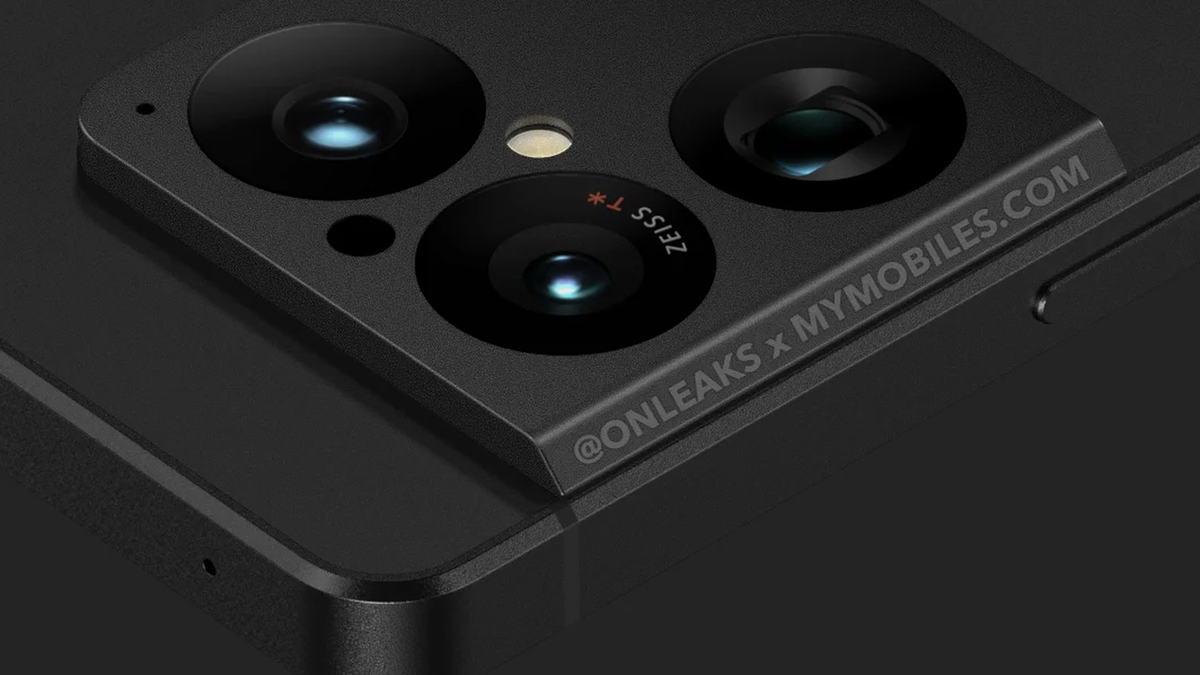
The article argues that Sony's upcoming Xperia 1 VIII is likely to launch, but highlights ongoing weaknesses that have weighed on Xperia sales: outdated design, vanilla UI, short software support, limited AI features, slow go-to-market timing, and high launch pricing. It notes Sony's mobile unit has been volatile since the 2019 Xperia 1 reboot, including a profit in 2021, but later discontinuation of the compact Xperia 5 line and uncertainty around the flagship business. The piece suggests a faster release cycle and more competitive pricing could help, but the near-term market impact appears limited.
SONY’s handset franchise remains a low-probability, high-image business: it can still create halo value for sensors, optics, and premium component credibility, but the smartphone P&L is likely capped by weak pricing power and long refresh cycles. The more important second-order effect is competitive: if Sony leans into a more standard design and faster availability, it risks losing differentiation without guaranteeing volume, which means the real lever is execution speed, not aesthetics. In other words, the market is not rewarding “unique” anymore unless it translates into either ecosystem lock-in or a material camera advantage.
The bull case is that Sony’s handset division may be near an inflection where even modest demand improvement can look dramatic on the income statement because the base is so small. A tighter launch window and better initial pricing would improve sell-through and reduce the usual post-launch discounting cascade, which matters for channel health and inventory turns more than for top-line optics. If Sony can compress the announcement-to-availability gap from months to days, the product becomes a marketing event instead of a fading teaser, which should lift near-term gross margins by reducing forced markdowns.
For AAPL, this is mildly constructive: even if consumers are not buying Xperia, Sony’s continued sensor leadership reinforces Apple’s reliance on a high-quality external supplier for camera components. That dependency is a hidden moat for Sony’s sensor business, while also creating a quiet risk for Apple if Sony underinvests in the mobile stack and weakens its own imaging feedback loop. The contrarian take is that Xperia’s weakness may be overstated as an equity issue because the segment can be strategically valuable even if it never becomes a unit-volume winner; the market may be underestimating the option value of Sony’s hardware R&D pipeline.
AI-powered research, real-time alerts, and portfolio analytics for institutional investors.
Request DemoOverall Sentiment
mildly negative
Sentiment Score
-0.15
Ticker Sentiment
