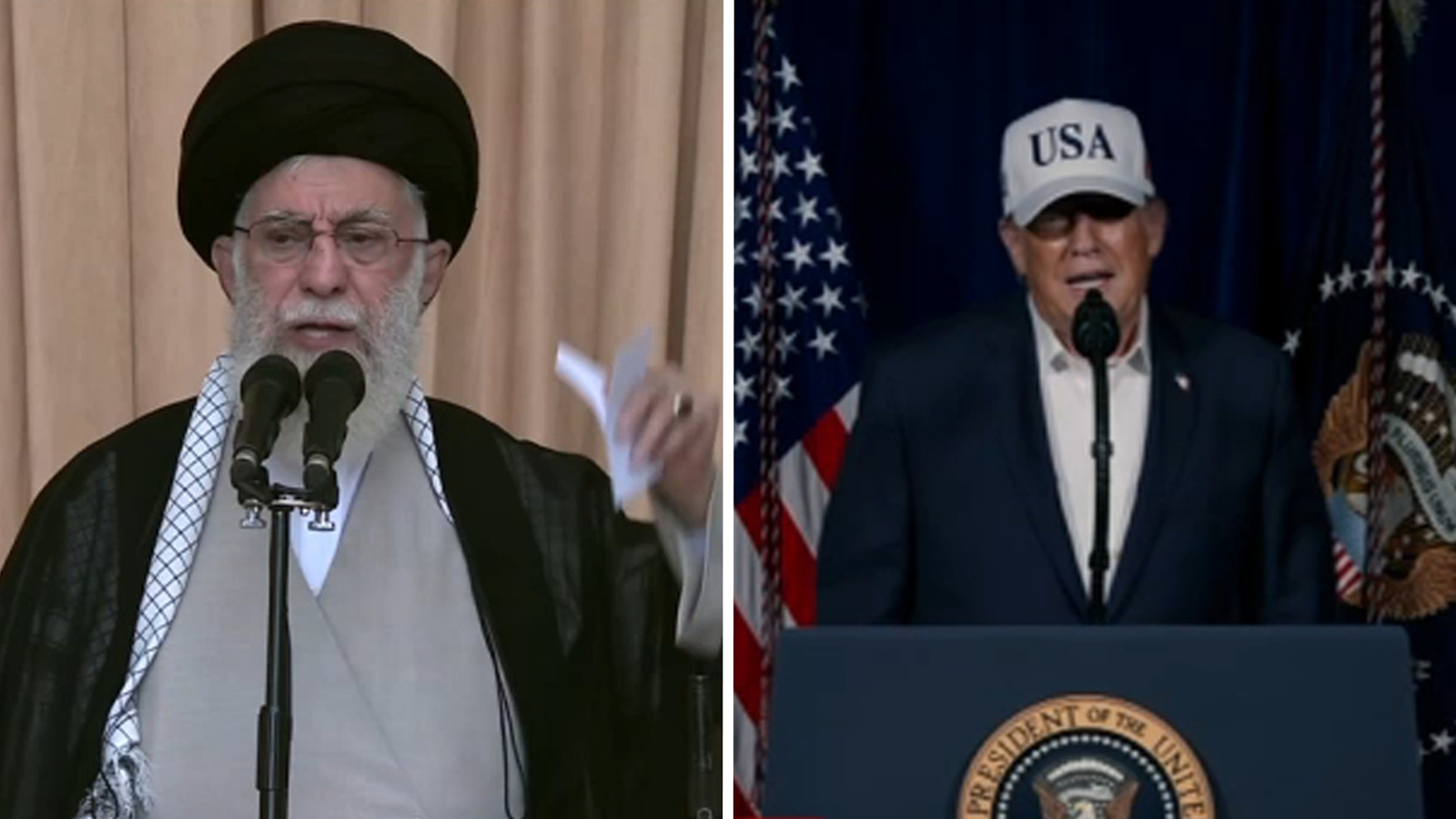
U.S. Central Command reported that three U.S. service members were killed and five critically wounded as part of Operation Epic Fury in response to attacks on Iran, with several others receiving minor injuries and being returned to duty. Identities of the deceased are being withheld pending next-of-kin notification and CENTCOM described the situation as fluid while major combat operations continue, raising the risk of further escalation that market participants should monitor for potential geopolitical and defense-sector implications.
Market structure: Immediate winners are defense primes and suppliers (LMT, NOC, RTX, ITA/XAR) and commodity hedges (GLD, oil producers XOM/CVX) as risk premia and near-term military spend expectations rise; losers are regional travel/insurance-sensitive names (AAL, UAL, LUV) and EM exporters dependent on shipping through the Gulf. Pricing power for defense is asymmetric — equities often gap higher on news but actual revenue accretion requires multi-quarter contract awards, so expect a 10–25% fast repricing in defense equities followed by mean reversion.
Risk assessment: Tail risks include a broader kinetic escalation (probability 5–15% over 3 months) that pushes Brent >$90/bbl (triggering sustained energy inflation) or supply-chain strikes that spike freight insurance and shipping costs; conversely, de-escalation in 1–2 weeks could erase premiums. Hidden dependencies: defense outperformance depends on authorization of supplemental funding and production capacity bottlenecks (lead times 6–18 months), while sovereign risk can amplify USD and bond moves.
Trade implications: Tactical trades: go long 1–3% positions in ITA or LMT for 2–8 week horizon, layering via 30–60 day call options to limit capital with target +15–30% and 12% stop; buy GLD 1–2% as a hedge and accumulate XOM/CVX if Brent breaches $85. For risk-off, buy 2–4 week TLT or UUP (USD) for expected safe-haven flows; consider VIX 2× call spreads if S&P futures breach -2% intraday.
Contrarian angles: Consensus overweights defense and oil; miss is that defense earnings catalysts lag and initial rallies often fade — favor short-dated options over cash longs to avoid multi-month execution risk. Historical parallels (post-attack spikes in 2019–2020) show 10–20% mean reversion in 4–8 weeks if no supply shock; avoid taking large bilateral energy producer exposure unless Brent sustains >$90 for 7 trading days.
AI-powered research, real-time alerts, and portfolio analytics for institutional investors.
Request TrialOverall Sentiment
strongly negative
Sentiment Score
-0.60
