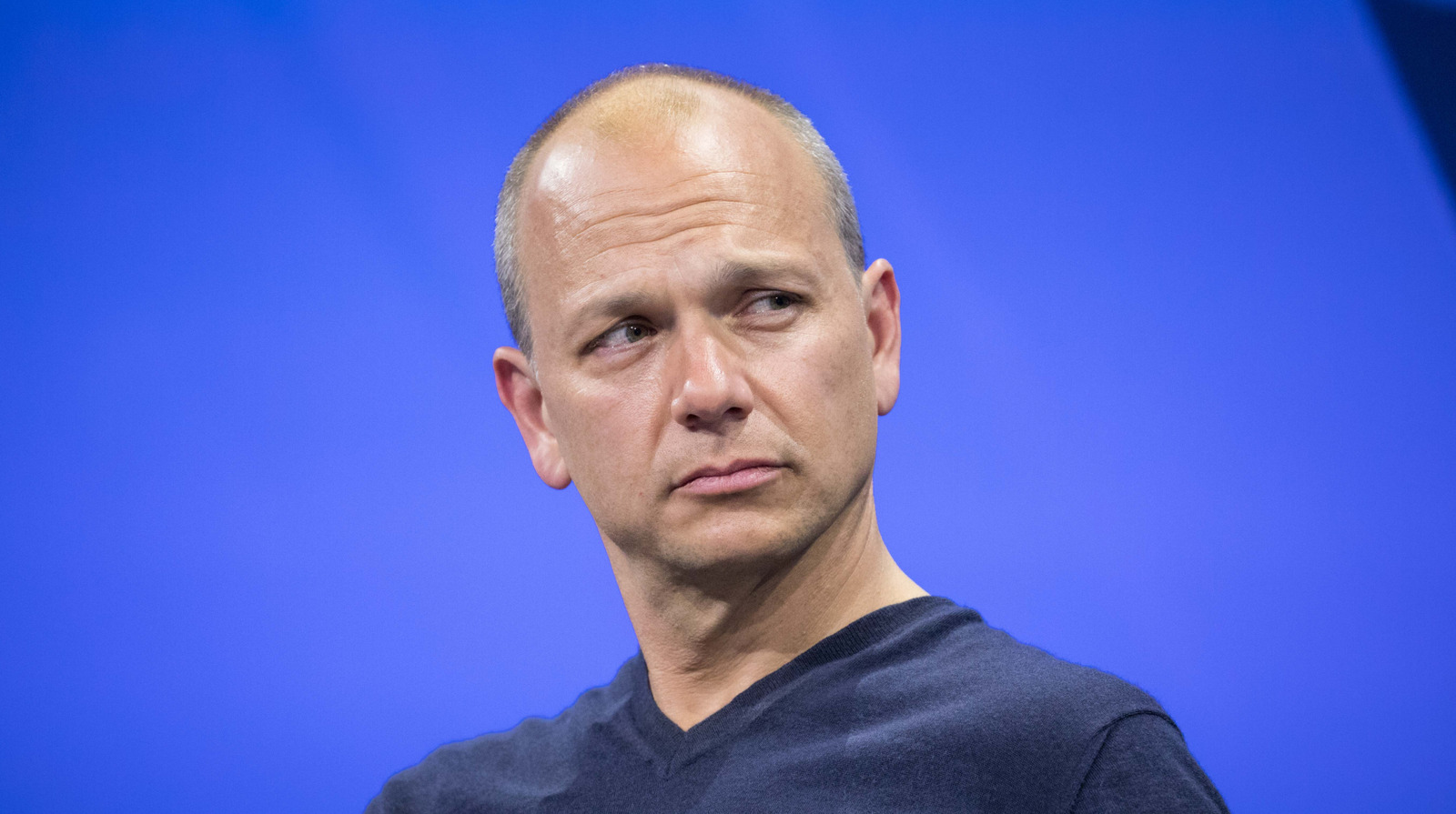
The Information reports Apple is considering potential successors to Tim Cook, including internal candidate John Ternus and former hardware executive Tony Fadell, who has indicated willingness to return as a brash leader. The report cites Cook’s recent lifestyle changes, a visible tremor, and the departures of senior executives alongside analyst criticism that he has been slow to confront AI competition, implying a possible near‑term leadership transition that could presage strategic shifts at Apple.
Market structure: Leadership uncertainty at AAPL increases idiosyncratic equity volatility and benefits fast-moving AI incumbents and suppliers (NVDA, MSFT, GOOGL, TSM) that can monetize AI features faster than Apple. Hardware incumbents (Samsung, Google Pixel teams) gain relative pricing power if Apple delays AI-driven product upgrades; physical supply chains (TSM, LITEON-type suppliers) are unlikely to see immediate order shocks but could face timing shifts in 2–4 quarters. Cross-asset: expect a modest widening in Apple bond CDS (+5–15bps on headline-driven selloffs), USD safe‑haven flows on major market stress, and a rise in AAPL single-name option IV (+15–40% intraday) versus peers.
Risk assessment: Tail risks include a messy CEO transition causing R&D re-prioritization (6–18 months of roadmap churn), activist intervention, or key talent flight that delays AI productization and services revenue growth (1–3% margin erosion over 12–24 months). Immediate (days): elevated IV and possible knee-jerk selloffs; short-term (weeks/months): leadership clarity events (WWDC, earnings, SEC filings) will be catalysts; long-term (quarters/years): execution on AI strategy determines market-share trajectory. Hidden dependencies: Apple’s services receivables and deferred revenue cushion but also lock in timelines for ecosystem changes; supplier contracts and wafer allocations limit rapid product pivots.
Trade implications: Near-term, buy downside protection on AAPL (3-month put spread) sized to hedge 20–30% of position and reduce net exposure by 15–25% if CEO uncertainty persists past next earnings. Pair trade: long MSFT (1–2% portfolio) / short AAPL (1% notional) over 6–12 months to express faster AI monetization; overweight NVDA/TSM for suppliers exposure. Use calendar or straddle strategies around WWDC and earnings windows where IV typically spikes.
Contrarian angles: Consensus treats this as a governance scare but understates Apple’s ecosystem stickiness — services revenue (high-margin) and installed base make a permanent market-share collapse unlikely absent product execution failures. Reaction may be overdone if leadership change is internal and accelerates AI focus; a >8–12% AAPL drawdown without fundamental revision is a tactical buy zone. Historical parallel: past CEO transitions (Jobs→Cook) created short-term volatility but long-term value if operations stay stable; the real risk is execution, not headline speculation.
AI-powered research, real-time alerts, and portfolio analytics for institutional investors.
Request DemoOverall Sentiment
mildly negative
Sentiment Score
-0.25
Ticker Sentiment
