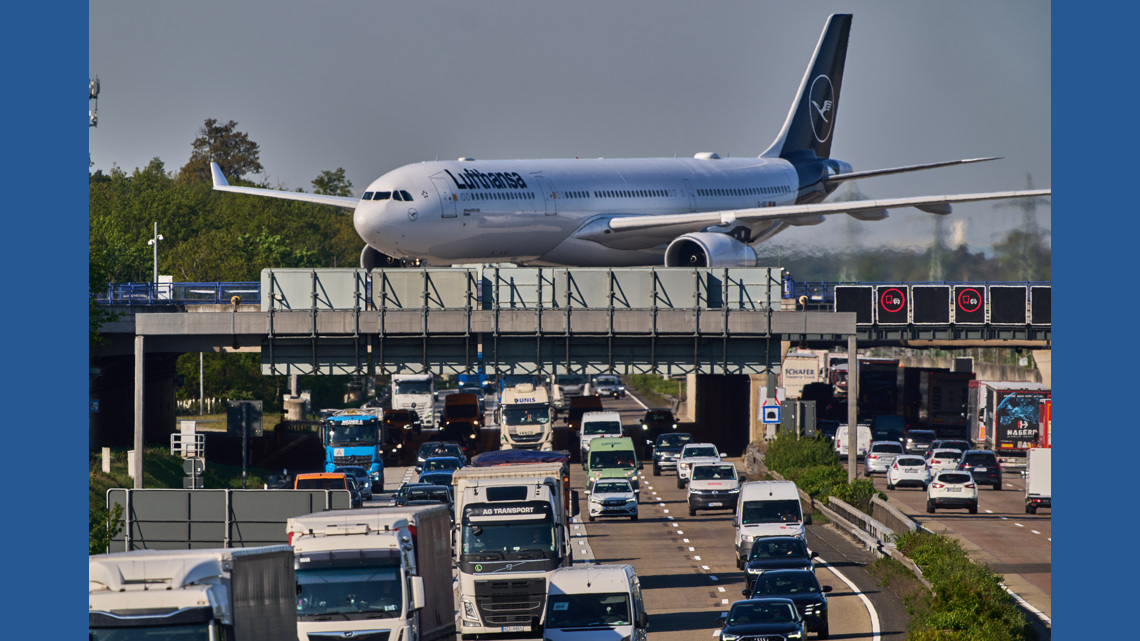
Lufthansa Group will cut 20,000 short-haul flights through October, mainly from Frankfurt and Munich, as the Iran war drives jet fuel prices higher and raises supply concerns. The cuts are expected to save about 40,000 metric tons of jet fuel, and the company says it has secured enough fuel for the coming weeks while pursuing physical procurement measures. The global jet fuel price has surged from about $99 per barrel at the end of February to as high as $209 in early April, pressuring airlines broadly and reducing route availability and adding fees for travelers.
The immediate market read is not just higher fuel expense for U.S. and Canadian airlines, but a forced capacity discipline event that can temporarily mask unit-cost pain. When European flag carriers prune short-haul flying first, they are effectively protecting long-haul yield and premium traffic, which tends to push weaker demand into competitors’ laps. That creates a second-order benefit for the lowest-cost domestic operators and the strongest network carriers with pricing power, while mid-tier international exposers face the worst mix of higher CASM and softer schedule utilization.
The more important risk is duration: if jet fuel tightness persists into the summer peak, this shifts from a margin issue to a network issue. The first-order hit is fuel, but the second-order hit is load-factor volatility, missed connections, and operational inefficiency as carriers start re-optimizing schedules weekly rather than seasonally. That disproportionately hurts airlines with heavier transatlantic exposure and less flexibility to redeploy aircraft, while ancillary-fee hikes only offset a fraction of the pressure because they usually lag fare realization and can trigger demand erosion at the margin.
The clearest contrarian point is that the market may underappreciate how fast non-airline supply chains can respond. If European jet fuel inventories are genuinely tight, we should expect spot procurement, cargo prioritization, and route rationalization to ripple through refineries and fuel logistics before it becomes visible in airline guidance. A near-term reversal would require either a de-escalation in the Strait of Hormuz risk premium or an explicit supply-side intervention in refined products; absent that, the risk is that earnings revisions keep drifting lower through Q3 rather than being a one-month headline shock.
AI-powered research, real-time alerts, and portfolio analytics for institutional investors.
Request TrialOverall Sentiment
moderately negative
Sentiment Score
-0.45
Ticker Sentiment
