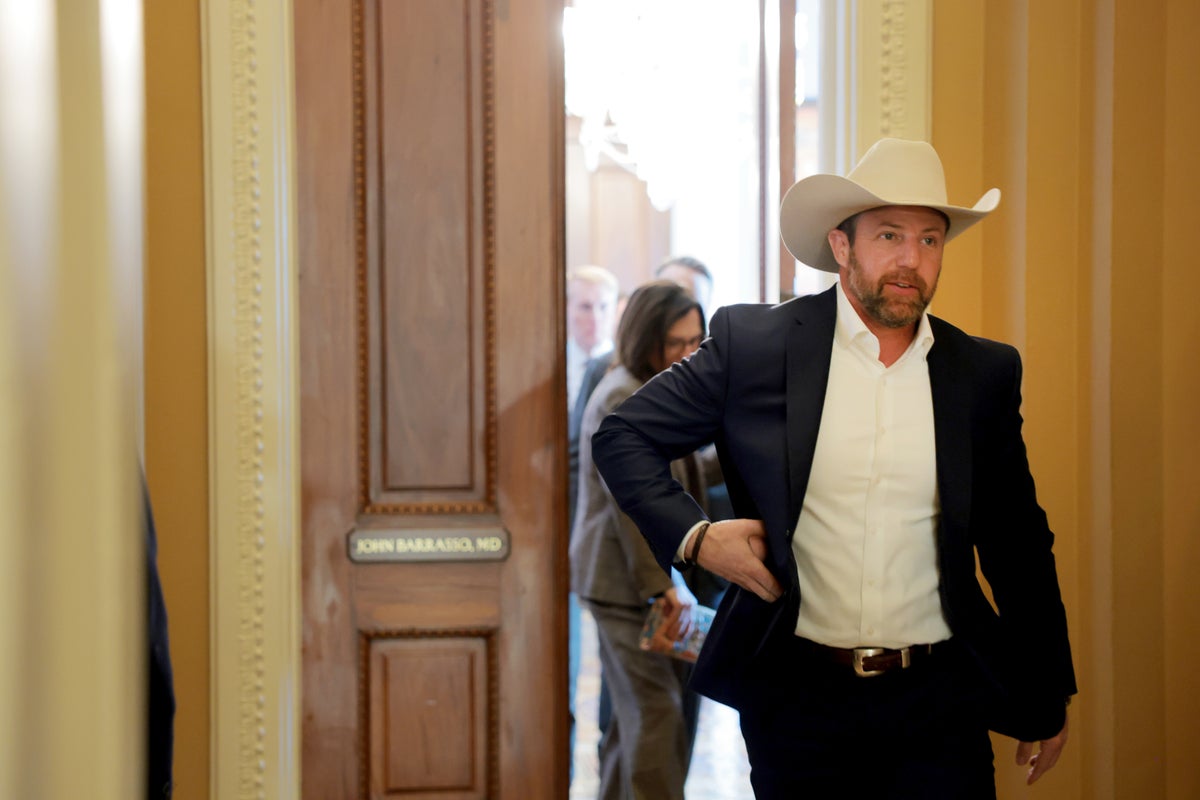
Chevron stock jumped 30.4% from $150.99 to $196.82 between Dec. 29, 2025 and Mar. 13 after an early-year U.S. attack on Venezuela. Oklahoma Sen. Markwayne Mullin reported buying $15,001–$50,000 of Chevron on Dec. 29, five days before the Jan. 3, 2026 attack that led to Venezuela’s president being extradited; there is no evidence reported of prior insider knowledge. The revelation raises political and ethics risk ahead of Mullin’s DHS confirmation hearing and could increase regulatory scrutiny of congressional stock trading, with potential reputational and policy implications for related sectors.
The episode amplifies two durable market dynamics: geopolitics as an earnings catalyst for select integrated energy names, and governance/regulatory risk cropping up as an idiosyncratic liability for firms with heavy government contracting ties. In the near term (days–weeks) headline-driven flows will reprice perceived exposure to on-the-ground access and sanction arbitrage, compressing cross-market correlations and creating dispersion between majors with operational footprints in contested jurisdictions and purely domestic producers. Over the medium term (3–12 months) the bigger read is legislative and reputational — renewed momentum for restrictions on lawmakers’ trading or heightened disclosure standards would increase turnover and short-term volatility for names appearing in politicians’ portfolios, particularly small-cap contractors that lack deep institutional ballast.
Second-order supply effects matter: insurance, maritime logistics and local JV partners servicing operations in sanctioned or unstable jurisdictions will face higher premia and counterparty risk, raising marginal lifting costs for companies still producing there. That favors balance-sheet-rich majors able to underwrite premium security/insurance costs and scale around disrupted assets, while pressuring smaller service providers and specialty contractors dependent on a handful of government or project contracts. Finally, policymaker optics create asymmetric tail risks: a swift de-escalation or diplomatic settlement can reverse energy-premia within weeks, whereas hardening legal/regulatory change (e.g., a ban on congressional trading) would be a multi-year structural headwind to liquidity and valuation multiples for affected names.
AI-powered research, real-time alerts, and portfolio analytics for institutional investors.
Request DemoOverall Sentiment
mildly negative
Sentiment Score
-0.25
Ticker Sentiment
