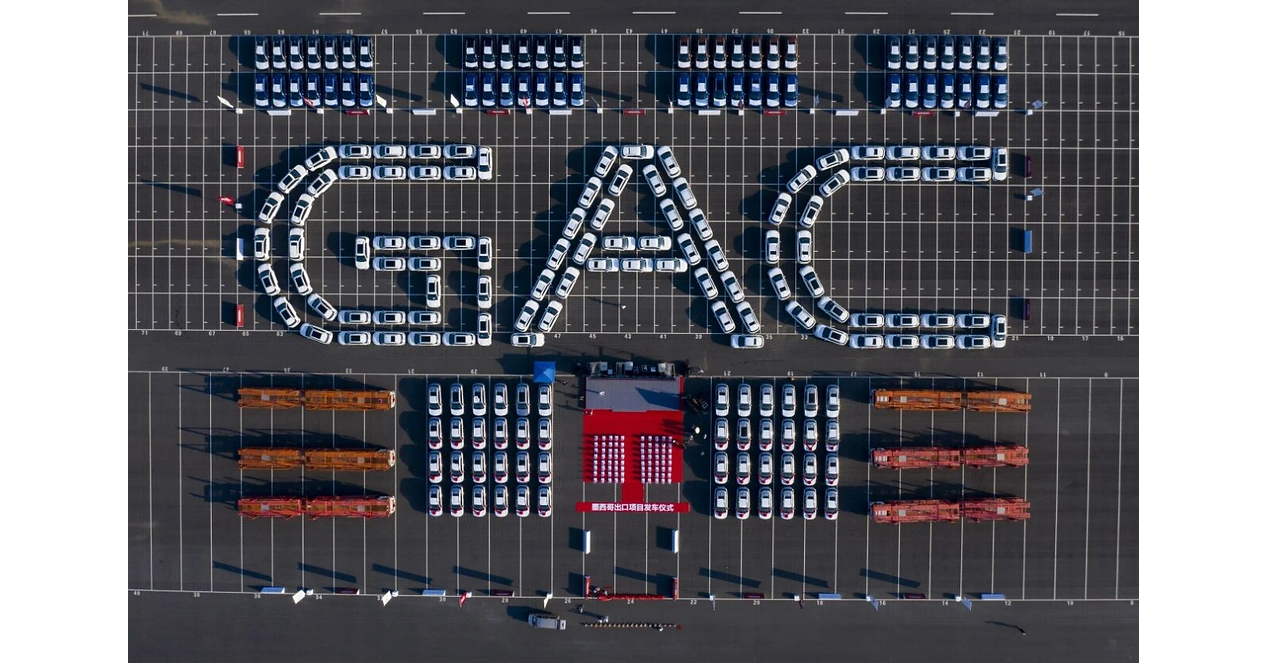
GAC Group reported H1 vehicle sales of 773,100 units (+2.35% YoY), with new energy and energy-saving vehicles at 62.82% of mix. Self-brand sales accelerated to 346,000 units (+35.69% YoY), while overseas self-brand exports surged to 121,500 units (+132%)—including major M/M gains such as Brazil (+1,129%) and Colombia (+804%) in June. GAC also said it is set to surpass 30 million cumulative production in July and expects continued H2 expansion supported by stronger products and systems.
This reads less like a single-name equity catalyst and more like confirmation that Chinese OEMs are building a durable export distribution stack. The immediate market impact should be modest because the incremental volume is still small relative to the global industry, but the mechanism matters: overseas share gains usually come with heavier rebates, inventory support, and localization spend before they show up in profits. In other words, revenue is likely to outrun margin in the next 1-2 quarters.
The second-order loser set is the low- to mid-price B/C-segment incumbents in Latin America, Southeast Asia, and parts of Europe that do not have local assembly or captive financing. The local-production angle in Europe is more important than the shipment growth itself because it reduces tariff/logistics friction and makes Chinese brands harder to block with blunt trade policy, which can force legacy OEMs such as STLA and VWAGY to defend share with more incentives over 6-18 months. The near-term winners are battery, shipping, and China auto supply-chain vendors with volume leverage; the long-term risk is that the export machine becomes a margin diluter rather than a growth story.
Contrarian view: consensus is likely overweighting the headline unit growth and underweighting the quality of that growth. If these overseas gains are being bought with lower ASPs or channel fill, the apparent acceleration could reverse quickly once inventories normalize. What would falsify the bearish read is evidence over the next two quarterly reports that export gross margin and cash conversion are improving alongside units, not just expanding top line.
AI-powered research, real-time alerts, and portfolio analytics for institutional investors.
Overall Sentiment
moderately positive
Sentiment Score
0.45
Ticker Sentiment
