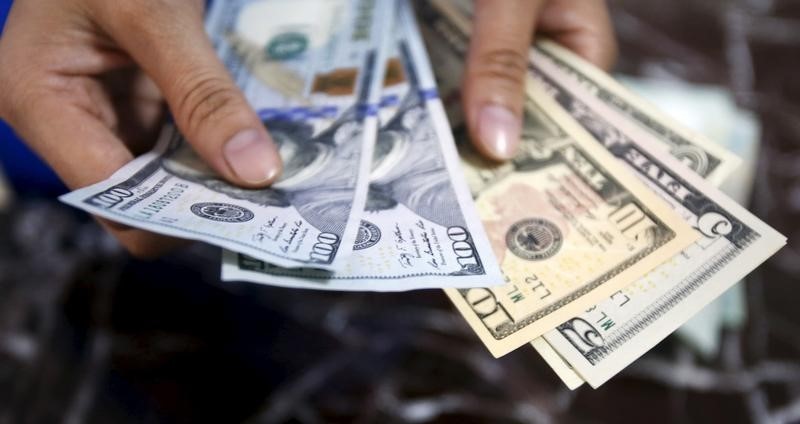
Goldman Sachs says the U.S. dollar should remain supported near term even after recent oil-price declines reduced expectations for additional Fed tightening. The note cites two main dollar supports: the AI investment boom and ongoing disruption to global energy supplies, with the U.S. relatively insulated versus other major economies. Markets are pricing a smaller oil shortage and lower FX volatility, but the dollar stays underpinned as long as Strait of Hormuz negotiations keep energy uncertainty elevated.
The market is repricing from a true supply-shock regime to a smaller-disruption regime, and that matters more for FX than for oil itself. If the Strait remains partially functional, the first-order loser is the “panic premium” embedded in currencies of energy importers, while the second-order winner is the dollar via slower global growth differentials and lower odds of imminent Fed backtracking. In other words, the dollar can stay bid even if crude stabilizes lower, because the marginal effect is now about relative policy and growth, not just commodities.
The bigger underappreciated dynamic is volatility compression. A smaller oil shock reduces the probability of a sharp cross-asset deleveraging event, which should bleed out of FX option pricing and into rates vol as well; that tends to hurt long-vol expressions and some commodity-hedged macro books. It also relieves pressure on Europe and Japan more than the U.S., but only incrementally — the U.S. is still the cleanest balance-sheet and growth proxy in a world where AI capex remains a structural dollar-supportive capital sink.
The consensus risk is overestimating how quickly the market transitions from headline trading to fundamentals. A “near-deal” can still keep shipping insurance, freight, and regional energy hedging elevated for weeks, so the downside in oil may be slower than the downside in implied vol. The contrarian read is that the dollar’s support may be more durable than the current oil move suggests, because the market is fading the geopolitical premium faster than it is fading the growth and policy premium.
For equities, this is modestly negative for broad energy beta, but not necessarily for the highest-quality integrateds if cracks in refined product pricing persist less than crude. The better relative trade is to fade the most crowded long-oil expressions while staying long dollar-sensitive macro exposures, especially where lower imported energy costs improve margins without triggering a broader risk-off unwind.
AI-powered research, real-time alerts, and portfolio analytics for institutional investors.
Request DemoOverall Sentiment
neutral
Sentiment Score
0.10
Ticker Sentiment
