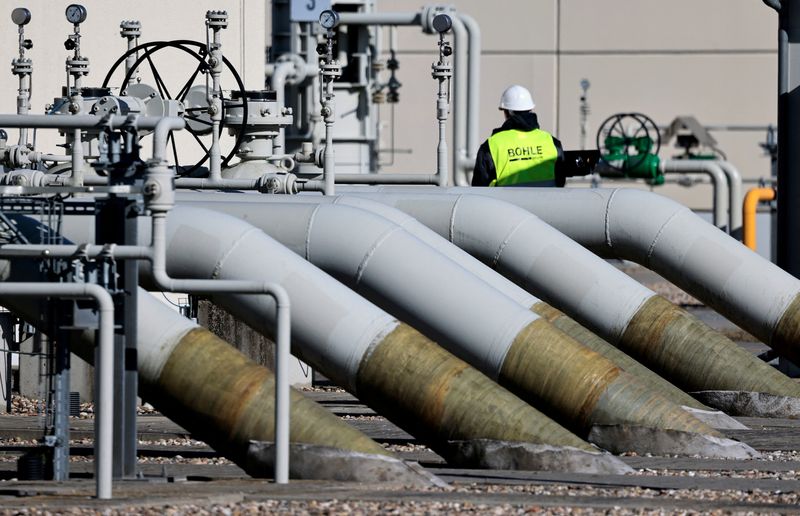
Front-month Dutch TTF natural gas futures plunged 15.6% to €47.68/MWh as of 08:30 GMT, while U.S. natural gas futures fell 1.5% to $3.07, after President Trump said the Iran war will end "very soon," easing immediate supply concerns. ANZ noted crude oil weakness pulled the broader energy complex down, but Europe remains vulnerable with heavily depleted storage and severe LNG supply disruption; cessation of Qatar production could have wide-ranging market ramifications. The report implies ongoing volatility for energy and travel sectors (airlines/cruises) amid shifting geopolitical headlines.
Winners and losers will bifurcate along balance-sheet and hedging lines more than by headline sector. Upstream producers with low lifting costs and flexible cargo allocation (integrated majors and large LNG exporters) can monetize a volatile forward curve and capture outsized free cash flow within 1–6 months, while highly levered travel/leisure operators face margin compression from higher fuel and rerouting costs that can erode EBITDA quickly.
Second-order dynamics: cargo re-routing and premium on spot LNG create congestion in charter markets and raise short-term freight rates, benefitting owners of mid‑term charters and FSRU/regas capacity; utilities in gas‑short regions will push into oil/coal switching and hedging, which can lift coal and carbon prices even as gas prompts near‑term volatility. Collateral/term‑rolling stress is the underappreciated channel — weak credits in travel/leisure may face margin calls if forward fuel or FX moves persist, forcing asset sales at distressed multiples within 3–9 months.
Key risks and catalysts are binary and time‑staggered: an acute geopolitical escalation can lift commodity prices within days and prolong supply shocks for months, while diplomatic settlement, SPR releases, or a material demand slowdown (China/Europe) can reverse moves within 30–90 days. Structural responses — capex reallocation into LNG/regas and upstream drilling — play out over years, implying different instruments depending on your horizon.
Contrarian read: the market likely overprices immediate leisure demand destruction and underprices structurally tight LNG/regas capacity; large network carriers and majors often have meaningful fuel hedges and pricing power to pass through costs, so shorts should target highly levered, low‑hedge leisure names rather than broad airline indices, and allocate a portion to LNG infrastructure exposure as a multi‑quarter convex long.
AI-powered research, real-time alerts, and portfolio analytics for institutional investors.
Request DemoOverall Sentiment
mildly negative
Sentiment Score
-0.25
