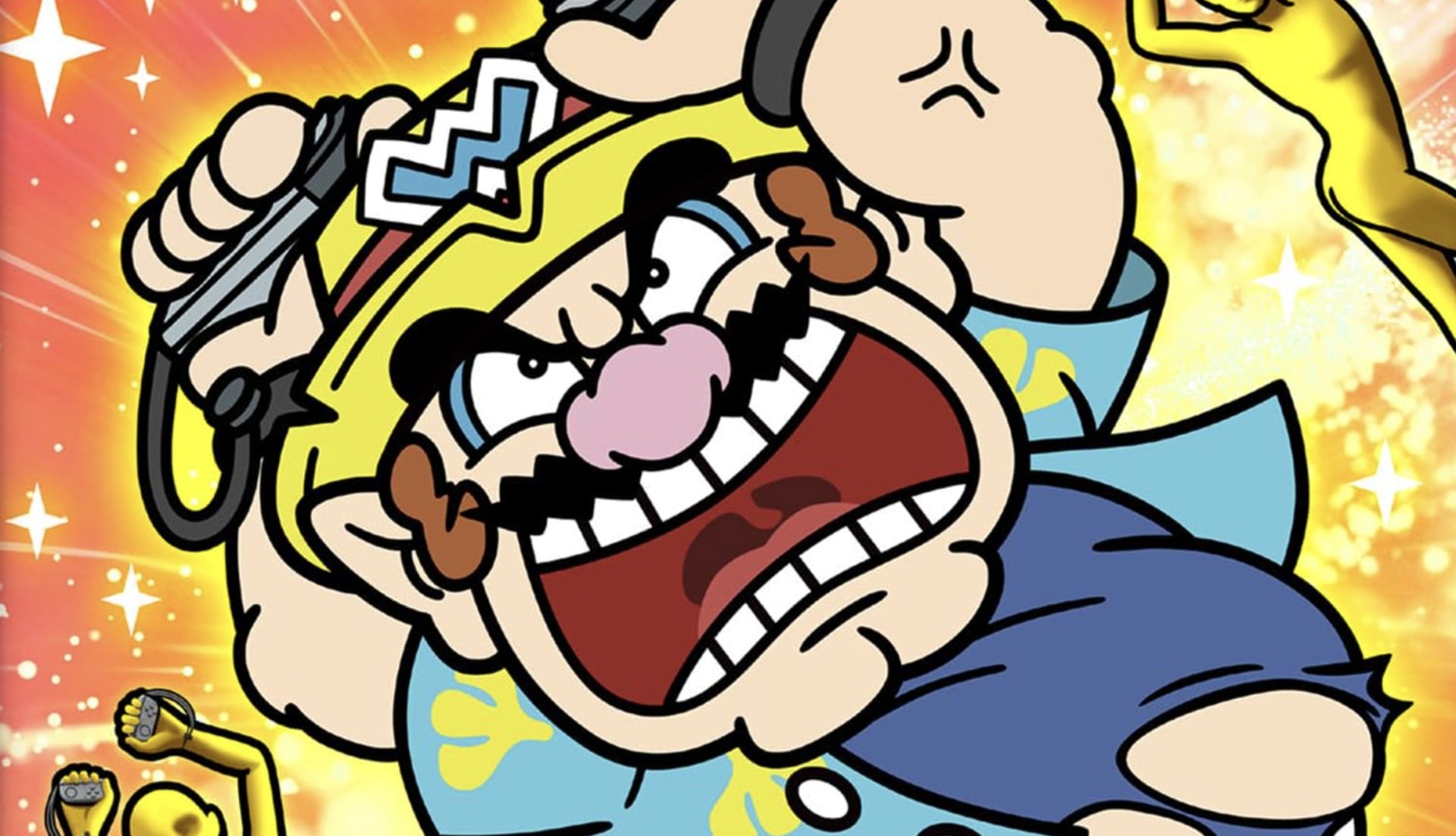
Goro Abe retired from Nintendo at the end of February and will start as a professor in Osaka Electro-Communication University's new 'Game and Social Design' major in April. Abe directed or co-directed every WarioWare entry, and his exit follows recent retirements of other senior figures (Hideki Konno, Kensuke Tanabe), representing a notable loss of institutional creative talent. The latest WarioWare title, WarioWare: Move It!, launched on Switch in 2023 and received positive reviews (Nintendo Life 8/10). Impact is likely modestly negative for creative continuity but not material to near-term financials or operations.
Nintendo’s loss of senior creative talent increases the probability the company leans more heavily on established IP and external development partners over the next 12–36 months. That shift is not value-neutral: outsourcing reduces fixed R&D burn and shortens time-to-market for sequels, but it also compresses margin capture from proprietary engine/tooling and raises variability of creative quality, which typically manifests as a 2–4 year lag before materially showing up in top-line volatility.
A second-order channel to monitor is the talent sink into academia and regional game clusters; universities become talent incubators that accelerate indie and contract studio formation. Over a 3–5 year horizon this can increase supply of mid-tail titles and lower average sell-through for first-party releases unless Nintendo adapts its IP licensing strategy or increases oversight of external studios.
Corporate responses that would materially change the thesis include accelerated M&A of boutique studios, explicit shifts in capex from hardware R&D to content acquisition, or announcements of a refreshed internal talent hiring program. Any of those could reverse investor concerns within 6–12 months; absence of such moves raises the chance of muted innovation and incremental downside to sentiment over 12–36 months.
Near-term market impact should remain limited; meaningful risk comes from a sequence of lackluster first-party releases or a soft successor hardware reveal. For portfolio construction, treat this as an idiosyncratic governance/talent risk that warrants small, costed hedges rather than broad de-risking of gaming exposure unless subsequent catalyst failures appear.
AI-powered research, real-time alerts, and portfolio analytics for institutional investors.
Request DemoOverall Sentiment
mildly negative
Sentiment Score
-0.15
