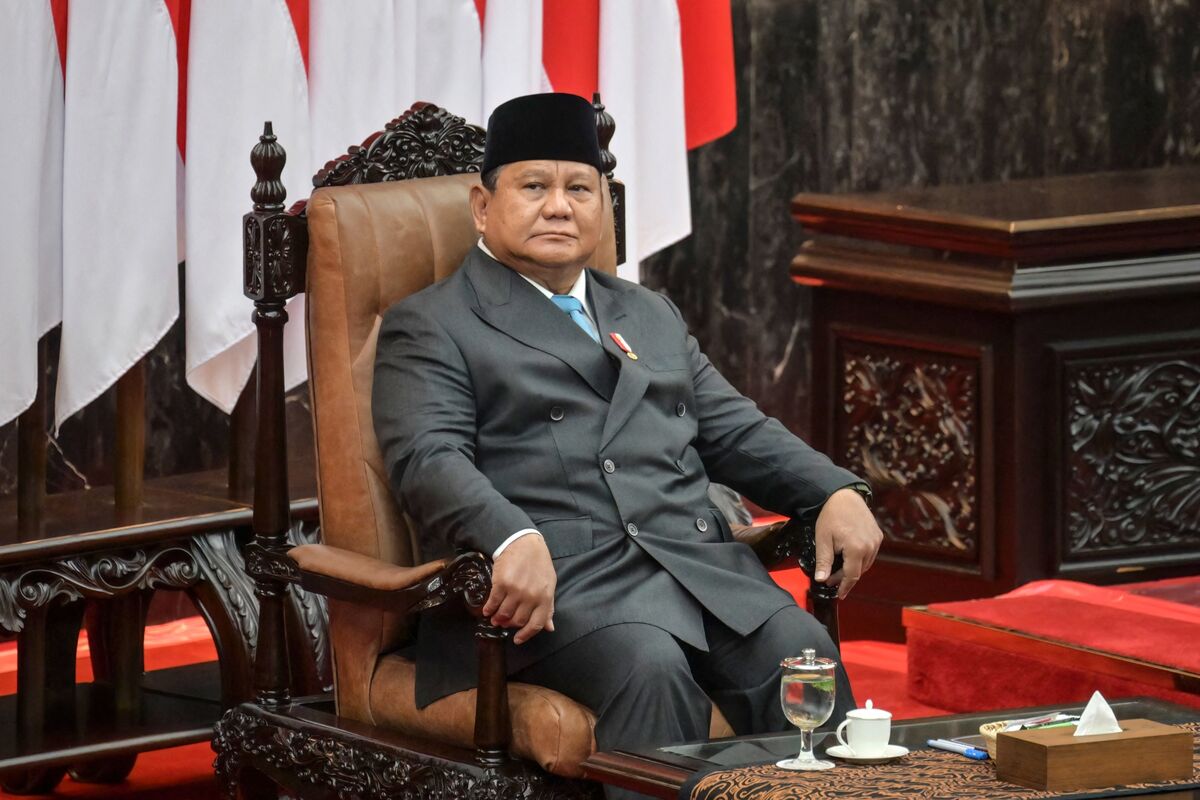
Indonesia is preparing a major state-led restructuring that would place exports of palm oil, coal and ferro-alloys under a new entity tied to sovereign wealth fund Danantara, covering products that generated more than $65 billion last year. The move reflects pressure to raise revenue as surging oil prices strain public finances, and it could materially alter oversight of key commodity flows. While the article is largely factual, the crackdown introduces policy and governance uncertainty for tycoons and the broader resource sector.
This is less a commodity story than a state-capacity and property-rights shock. By inserting a new sovereign vehicle into cash-generating export chains, the government is effectively taxing the sector via control points rather than explicit tax hikes, which is cleaner politically but more corrosive for investment behavior. The first-order winners are domestic budget optics and any politically connected intermediaries; the first-order losers are incumbent operators that rely on permitting continuity, export predictability, and capital allocation autonomy.
The second-order risk is not immediate production collapse but a gradual discounting of Indonesian assets across the complex. Counterparties will likely respond by delaying capex, front-loading exports where possible, and demanding higher working-capital buffers, which can tighten physical supply even if headline output holds. That creates a lagged effect: revenues may be captured quickly by the state, while investment and reserve replacement weaken over 6-18 months, especially in coal and downstream processing where marginal projects are most sensitive to policy friction.
For markets, the most interesting angle is relative rather than absolute. If Indonesia becomes less reliable as a low-friction exporter, regional competitors in palm, coal, and ferro-alloys gain pricing power and contract share; this is especially relevant for suppliers with cleaner governance and easier logistics. The contrarian take is that this may be framed as nationalization, but in practice it could function as a revenue optimization scheme that is reversible if asset values or FDI inflows deteriorate quickly enough, so the trade should be built around policy persistence, not the announcement headline.
Catalyst-wise, the next 1-3 months matter most for exemptions, licensing delays, and whether the new entity gets real cash-flow control or merely oversight. If market participants see port throughput, export levy collection, or capex approvals slowing, the rerating in Indonesian-linked assets could accelerate sharply; if implementation is muddled, the impact may fade into a governance premium rather than a full repricing. Tail risk is escalation into broader expropriation rhetoric, which would hit not just commodities but the broader Indonesia risk premium across banks, infrastructure, and local consumer credit.
AI-powered research, real-time alerts, and portfolio analytics for institutional investors.
Request DemoOverall Sentiment
mildly negative
Sentiment Score
-0.15
