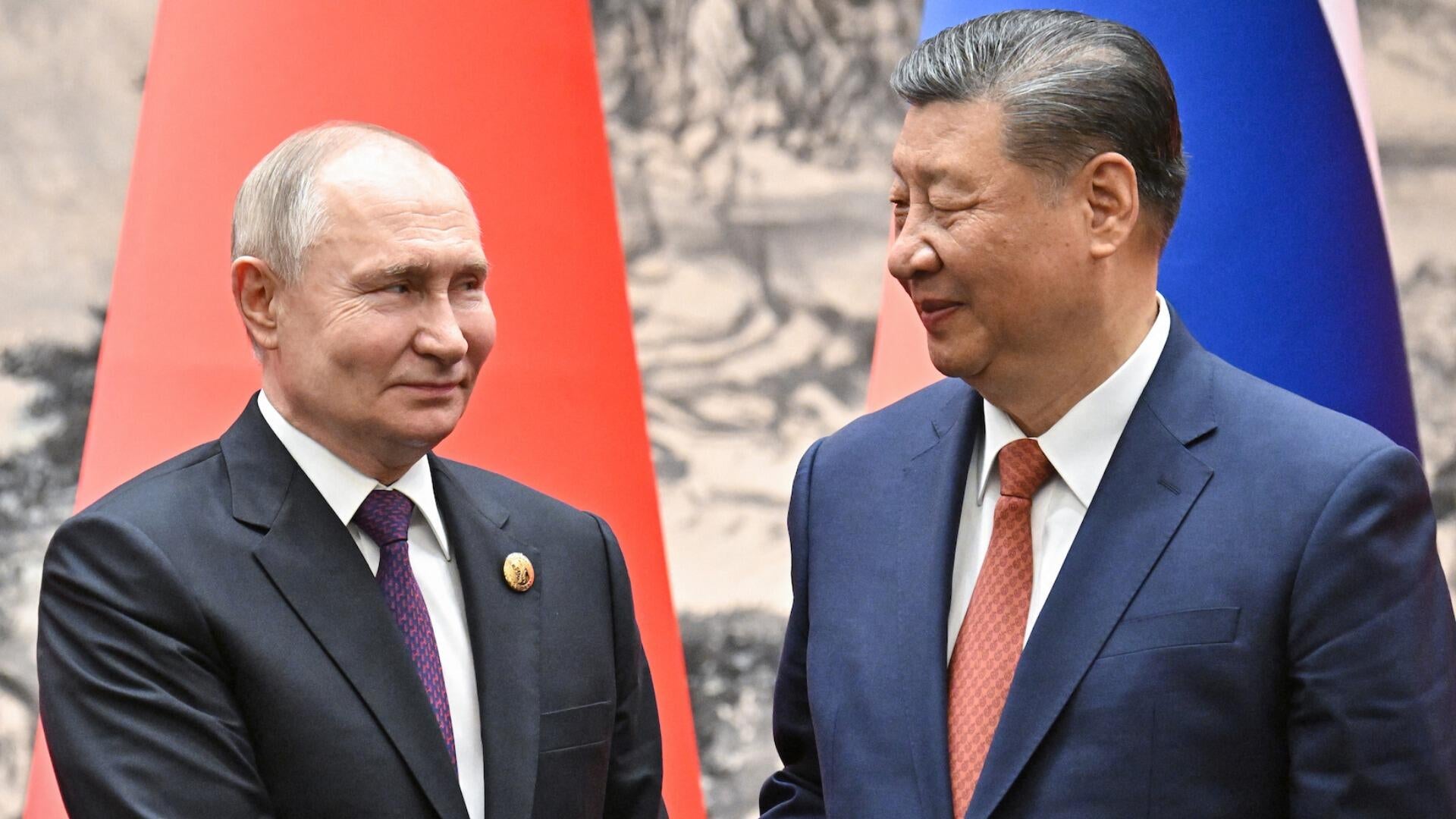
Russian Foreign Minister Sergey Lavrov's visit to North Korea further cemented military and economic cooperation, with Lavrov warning the U.S., South Korea, and Japan against forming a security alliance targeting Pyongyang. This deepening alignment involves North Korea supplying Russia with military aid for its war against Ukraine, reportedly in exchange for economic and potential technological assistance, which raises proliferation concerns among allied nations who are concurrently expanding trilateral military exercises in response to North Korea's advancing nuclear program, thereby intensifying geopolitical tensions in Northeast Asia.
The deepening strategic alignment between Russia and North Korea, solidified during Foreign Minister Lavrov's visit, introduces a significant escalation of geopolitical risk in Northeast Asia. North Korea's material support for Russia's war in Ukraine—supplying troops and ammunition—in exchange for military and economic aid formalizes a military-economic axis that directly counters the U.S., South Korea, and Japan. Lavrov's explicit warning against the formation of a rival security alliance, combined with Russia's rhetorical endorsement of North Korea's nuclear program, amplifies concerns about potential transfers of sensitive military technology that could accelerate Pyongyang's capabilities. This dynamic is fueling a security feedback loop, evidenced by the expanding trilateral military exercises involving U.S. nuclear-capable bombers. The hawkish tone and strongly negative sentiment score (-0.65) underscore the market's perception of rising instability. While an economic component exists, such as Russia's pledge to promote tourism to North Korea's new Wonsan resort, its immediate impact is questionable, leaving the military dimension as the primary driver of risk.
AI-powered research, real-time alerts, and portfolio analytics for institutional investors.
Overall Sentiment
strongly negative
Sentiment Score
-0.65
