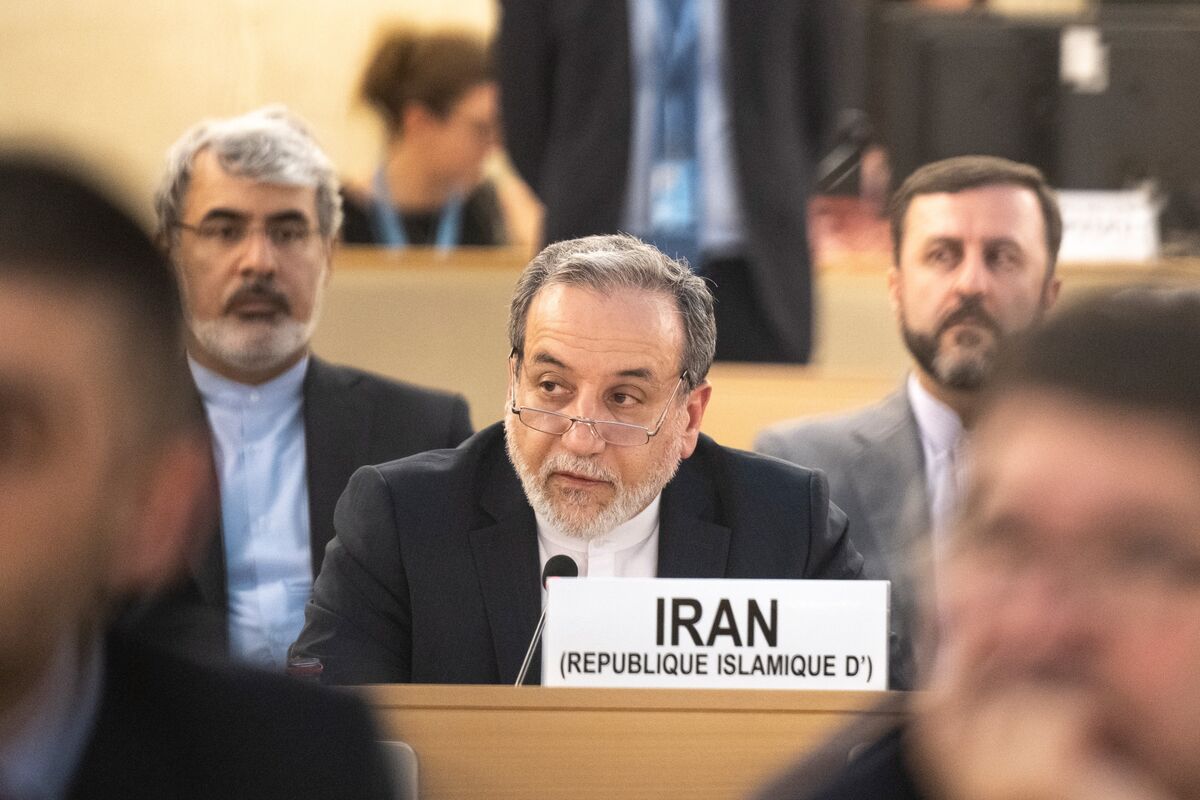
Elon Musk's Starlink satellite network is effectively thwarting the Iranian government's efforts to enforce an internet blackout, challenging state-imposed information control. This ongoing situation has escalated to involve the telecoms arm of the United Nations, highlighting a significant geopolitical conflict between the US and Iran over internet access.
A geopolitical confrontation is developing between the US and Iran, centered on the successful use of Elon Musk's Starlink satellite network to circumvent state-imposed internet blackouts in Iran. The matter has been elevated to the United Nations' telecommunications arm, signaling a significant international dispute over internet sovereignty and the power of private technology to challenge state information controls. While this event serves as a powerful real-world validation of Starlink's technological capabilities in contested environments, its direct and immediate impact on public financial markets is minimal, as indicated by the low market impact score and the fact that Starlink is a subsidiary of the privately held company SpaceX. The situation's primary relevance lies at the intersection of technology, geopolitical strategy, and emerging international regulation, demonstrating a new paradigm where non-state actors can influence international affairs.
AI-powered research, real-time alerts, and portfolio analytics for institutional investors.
Request DemoOverall Sentiment
neutral
Sentiment Score
0.00
