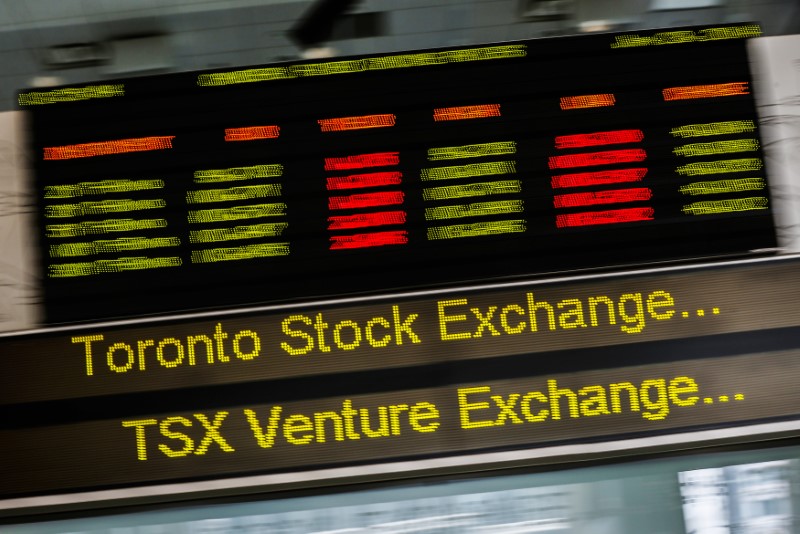
Canada’s S&P/TSX Composite slipped 0.02% to 33,957.15 after Thursday’s 1.94% surge, while the S&P 500 and NASDAQ hit record highs on tech-led strength. Oil prices eased, with Brent down 1.25% to $109.02 and WTI down 2.83% to $102.10, as geopolitical tensions with Iran remained elevated. Gold rose 0.5% to $4,646.68 an ounce despite hawkish Fed and inflation concerns, reinforcing a market backdrop of mixed risk-on sentiment and higher-for-longer rate expectations.
The cross-asset tape is telling us that the market is still in a "good news is good news" regime, but the durability is narrowing. Tech-led equity strength is being financed by lower real-rate anxiety than the headline inflation narrative implies, which means names with visible near-term monetization and operating leverage are getting the bid while longer-duration, cash-burning stories remain vulnerable if yields reprice even modestly higher. For AAPL and RDDT specifically, the market is rewarding guidance/usage beats because they reduce dispersion in forward estimates; that tends to compress implied volatility quickly, creating a short-lived window where momentum can persist but upside becomes increasingly dependent on follow-through revisions over the next 1-2 quarters.
Energy is the more important second-order signal. A pullback in crude despite geopolitical risk suggests the market is not yet pricing a durable supply shock, which is a warning for energy beta: if the conflict de-escalates, the recent bid in producers and the inflation hedge complex can unwind faster than consensus expects. Conversely, if shipping constraints remain tight, the real transmission channel is not just oil equities but margins in transport, chemicals, and consumer discretionary, with effects showing up with a 4-8 week lag as input costs bleed into guidance.
The contrarian read is that the rally is likely underestimating how quickly policy reaction functions can become restrictive if energy stays elevated. That raises the odds of a "bad inflation / good earnings" regime flipping into "bad inflation / bad multiples" once central banks emphasize persistence over transitory energy noise. In that setup, the current equity bid is fragile: leadership can stay concentrated in mega-cap tech for days or weeks, but breadth should deteriorate if rates back up and oil stops confirming growth expectations.
AI-powered research, real-time alerts, and portfolio analytics for institutional investors.
Request DemoOverall Sentiment
mildly positive
Sentiment Score
0.15
Ticker Sentiment
