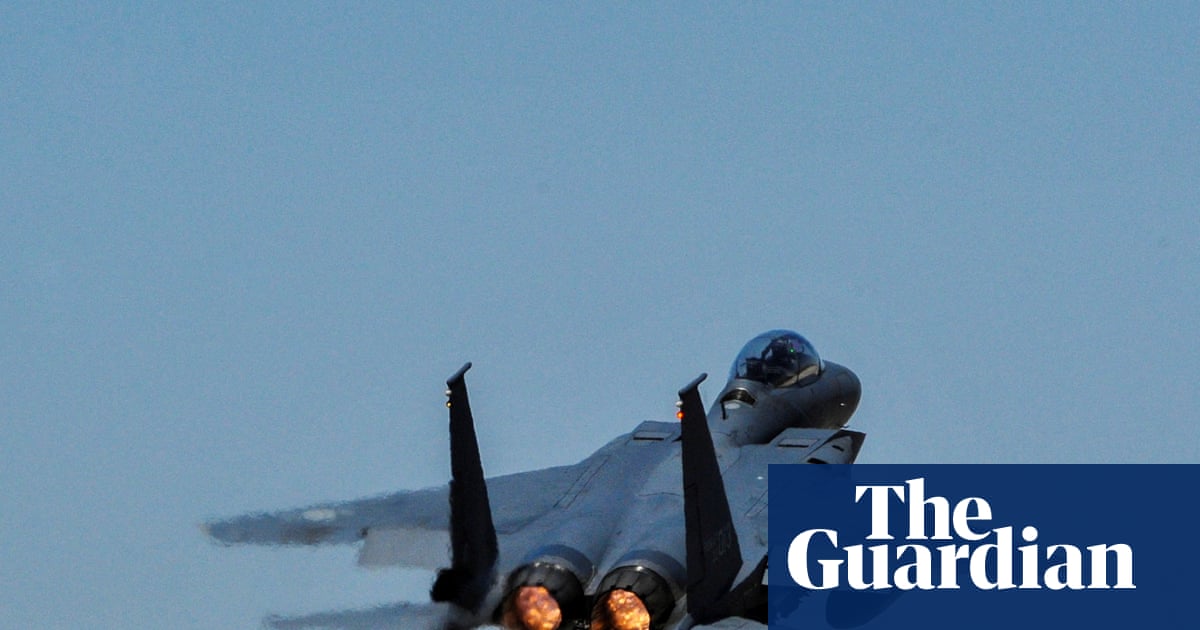
South Korea’s air force apologized for a 2021 mid-air collision between two F-15K jets that caused about 880 million won ($600,000) in damage, after auditors said personal filming and unapproved maneuvers led to the accident. The audit board held the wingman pilot primarily responsible and ordered repayment of about a tenth of repair costs, while also criticizing lax controls on in-flight filming. The incident is operationally negative for the air force, but broader market impact is limited.
This is less about the one-off repair bill and more about governance risk inside a force that relies on procedural discipline. The second-order issue is procurement and readiness: once an air arm is forced to tighten safety rules after a public embarrassment, sortie tempo often gets more conservative for months, which can create a modest near-term drag on maintenance utilization, training throughput, and any domestic aerospace support contracts tied to flying hours.
The reputational damage is asymmetric because it lands on a sector already sensitive to execution credibility. For Korean defense primes, the direct financial impact is negligible, but any heightened scrutiny on flight safety can slow qualification cycles, acceptance testing, and demo activity for new platforms; that matters more for programs with export ambitions than for steady-state domestic sustainment. In practice, this is a governance event that can incrementally favor larger incumbents with stronger compliance systems and penalize smaller subcontractors if the air force tightens vendor screening.
The contrarian read is that the market may over-discount this as a pure embarrassment headline. The likely policy response is procedural rather than budgetary, so the earnings hit should be limited and mostly confined to a short window of lower activity. The real catalyst to watch is whether auditors’ findings broaden into a wider review of military controls; if that happens, the impact horizon stretches from days to quarters and can materially affect training intensity and defense procurement timing.
For investors, the base case is a low-conviction negative for Korean defense sentiment, not a thesis-breaker. Any trade should focus on relative value rather than outright shorts, because the event does not alter regional rearmament demand or multi-year export demand. The better opportunity is to fade any knee-jerk underperformance in names with clean execution and diversified export books, while avoiding smaller pure-play contractors exposed to procedural delay risk.
AI-powered research, real-time alerts, and portfolio analytics for institutional investors.
Request DemoOverall Sentiment
mildly negative
Sentiment Score
-0.25
