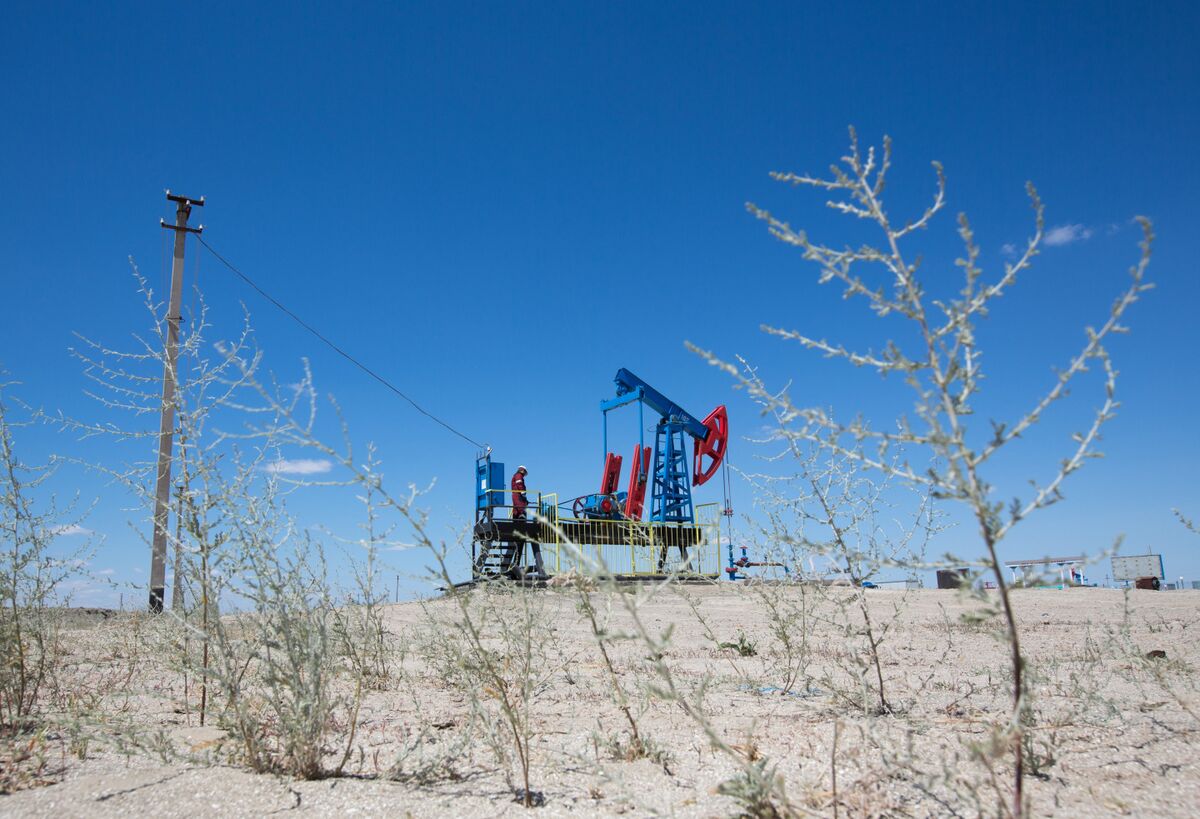
Kazakhstan announced it is unable to cut oil production as mandated by the OPEC+ agreement, citing that over 70% of its output is controlled by international consortiums over which the government has no authority to enforce cuts. Energy Minister Yerlan Akkenzhenov stated that the country even aims to increase production later this year, further complicating its relationship with OPEC+ and raising concerns about the group's ability to maintain output discipline.
Kazakhstan's declaration of its inability to implement agreed-upon OPEC+ oil production cuts introduces a notable complication for the group's market management strategy. Energy Minister Yerlan Akkenzhenov explicitly stated that the government cannot enforce reductions on fields controlled by international consortiums, which account for over 70% of national output, nor can it practically curtail production at fields operated by the state-run KazMunayGas National Co. JSC. Furthermore, Kazakhstan's aspiration to potentially increase output beyond planned levels later this year directly contravenes OPEC+ objectives and signals a deepening stand-off. This development, characterized by a 'moderately negative' sentiment and an 'uncertain' tone, raises concerns regarding OPEC+'s overall production discipline and its capacity to maintain a unified front, potentially impacting global oil supply forecasts and market stability with a moderate market impact score of 0.6.
AI-powered research, real-time alerts, and portfolio analytics for institutional investors.
Request DemoOverall Sentiment
moderately negative
Sentiment Score
-0.50
