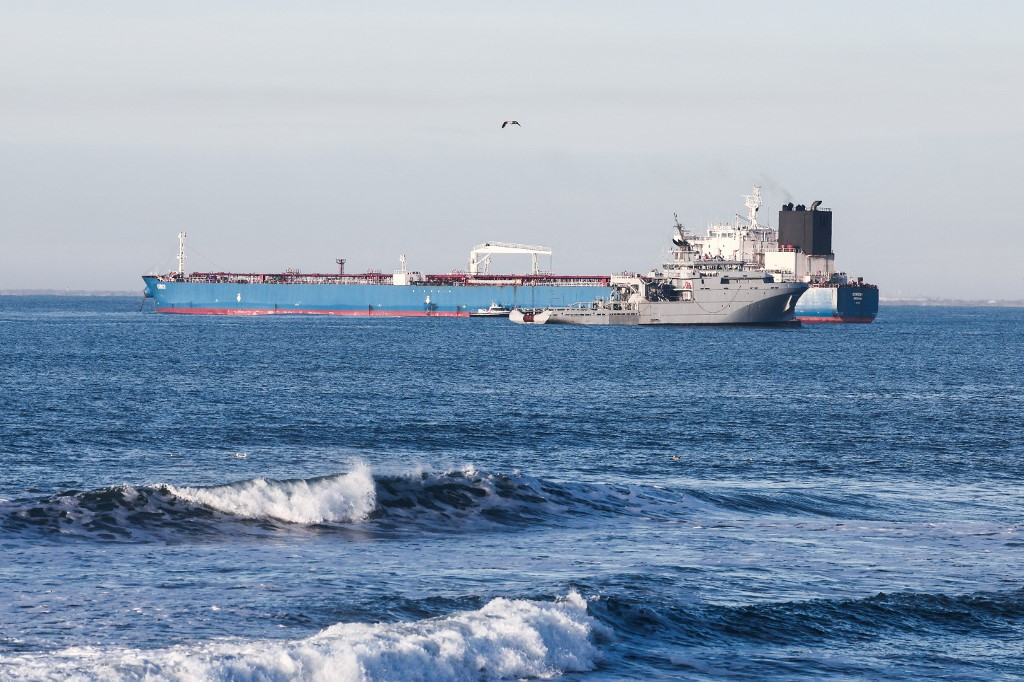
Three Russia-linked shadow fleet tankers were attacked by drones in the Black Sea near Turkey’s coast, with James II struck in its engine room and Altura and Velora also damaged or targeted; no casualties were reported. The vessels were carrying no cargo at the time, but the incident underscores escalating risks to maritime shipping and sanctions enforcement around Russian oil exports. Ukraine’s HUR said the shadow fleet accounts for up to 30% of Russia’s seaborne oil exports, making disruptions to these routes potentially material for energy logistics and regional security.
This is less a one-off shipping headline than a direct attack on the economic “gray zone” that makes sanctioned crude movable at scale. The important second-order effect is not the damaged hulls themselves, but the repricing of routing, war-risk premia, and underwriter tolerance for any vessel with opaque ownership or ballast/STS behavior near Turkish waters. That should tighten effective tanker supply at the margin: even a modest rise in voyage duration and insurance exclusions can remove meaningful tonnage from the spot market, especially for older units that are already marginal on compliance and maintenance.
The near-term loser set is broader than Russian export flows. Turkish transshipment, regional bunkering, marine insurers, and ship managers with exposure to sanctioned or semi-sanctioned cargoes face a higher probability of inspection, delays, and forced commercial unwinds. A key second-order risk is that counterparties start refusing STS operations in the Eastern Mediterranean/Black Sea, which would push shadow cargoes toward longer-haul, less efficient routes and compress the economics of discount barrels. That can widen the spread between benchmark crude and the realized netback on Russian-linked grades even if headline Brent is unchanged.
The biggest market risk is escalation into a persistent campaign against the logistics layer rather than isolated vessel hits. If attacks continue over days to weeks, expect a step-up in marine insurance, more self-sanctioning by charterers, and possible temporary throughput disruptions around the Bosphorus approaches; if they stop, the market likely fades the event quickly. The contrarian angle is that this may actually strengthen crude prices only modestly in the near term while materially increasing freight and insurance costs, which means the cleaner trade is in shipping friction rather than directional oil beta.
AI-powered research, real-time alerts, and portfolio analytics for institutional investors.
Request DemoOverall Sentiment
strongly negative
Sentiment Score
-0.55
