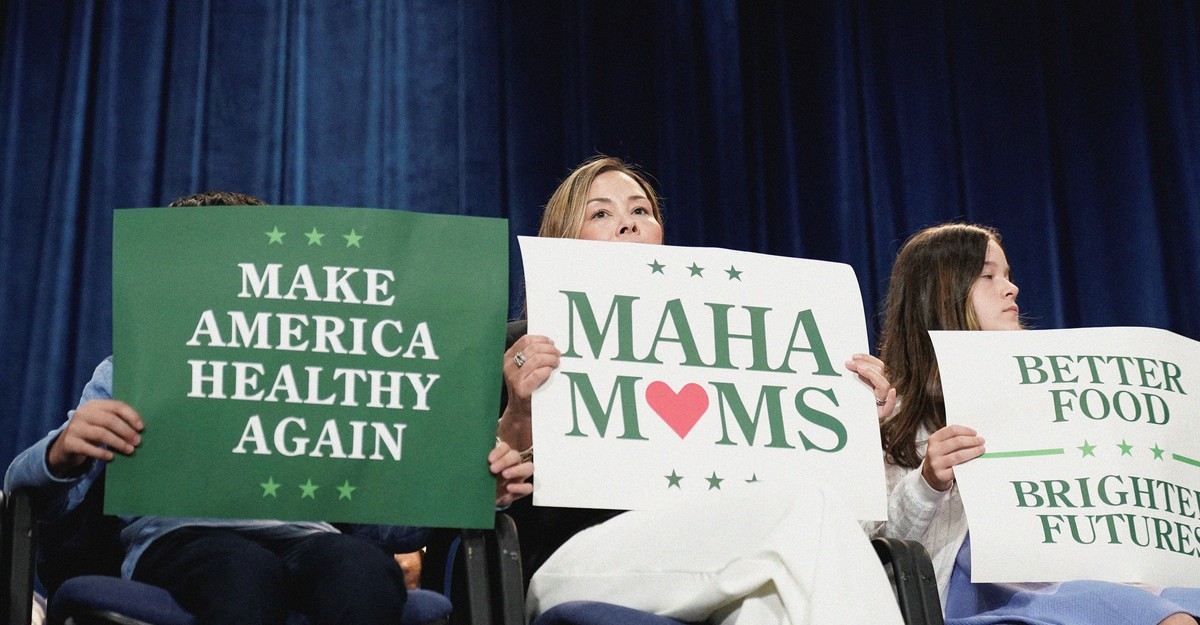
The article argues that MAHA moms are unlikely to be a decisive swing bloc in the 2026 midterms, despite their visibility and political outreach. It highlights limited evidence of large-scale voter mobilization, with cited activity ranging from about 150 emails and 50 calls in Tennessee to disputed claims of thousands of contacts. The main concrete political implication is a $1 million MAHA PAC effort against Sen. Bill Cassidy, but the broader election impact appears limited and uncertain.
The market implication is less about a broad electoral swing than about a narrow but politically loud constituency shaping regulatory messaging. That matters for asset prices because MAHA is a high-salience issue cluster that can force Republicans to over-index on pesticide, food-additive, and “clean label” rhetoric even if the actual vote pool is small. The second-order effect is dispersion: companies with visible exposure to glyphosate, food dyes, seed treatments, and animal-health/vaccine narratives can trade on headline risk even when end-demand is unchanged.
The likely winner is not a political bloc but the litigation/advocacy ecosystem around consumer health. If MAHA remains loud but electorally thin, the path of least resistance for politicians is symbolic action rather than sweeping regulation, which still raises compliance costs and extends approval timelines for ag inputs, specialty chemicals, and select biopharma names. That creates a favorable setup for short-duration volatility rather than durable sector de-rating unless a state-level bill or federal agency action converts rhetoric into enforceable rules.
The contrarian read is that consensus is overestimating electoral beta and underestimating policy beta. Even without meaningful midterm swing votes, the movement can still move procurement, labeling, and settlement behavior by creating reputational risk for incumbents and by encouraging states to test pesticide/food-ingredient restrictions. The real catalyst is not November itself but the 3–12 month window in which administration officials either deliver visible MAHA wins or lose the coalition; failed delivery would likely deflate the trade quickly, while a few symbolic victories could keep the theme alive into 2027.
AI-powered research, real-time alerts, and portfolio analytics for institutional investors.
Request TrialOverall Sentiment
neutral
Sentiment Score
-0.05
