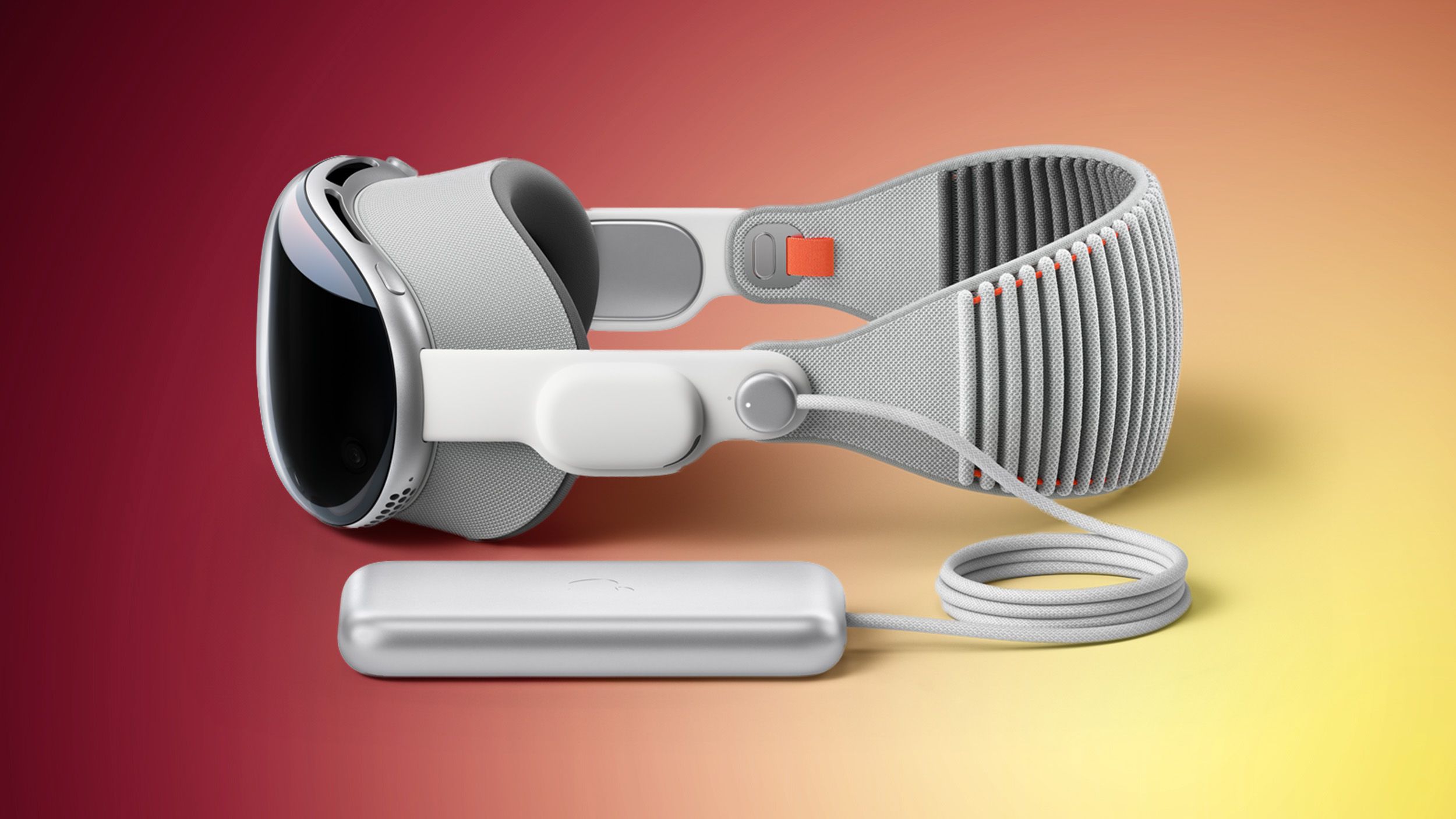
Apple is reportedly pausing the development of both its next-generation Vision Pro 2 and the more affordable Vision Air headsets, signaling a significant pivot in its spatial computing strategy towards smart glasses, driven by weak demand for the original Vision Pro and challenges in cost reduction. While a minor refresh of the existing Vision Pro with an M5 chip is anticipated to utilize component stockpiles, the company's long-term roadmap for high-end mixed-reality headsets is now uncertain, with resources being reallocated to compete in the smart glasses market.
Apple (AAPL) has reportedly paused development of both the Vision Pro 2 and the lower-cost Vision Air headsets, signaling a significant strategic pivot away from its initial multi-year roadmap for "spatial computing" hardware. This decision follows weaker-than-anticipated demand for the original $3,499 Vision Pro, which struggled with high cost, bulk, and limited use cases. The company is now reallocating engineering resources towards smart glasses development, aiming to compete more directly with Meta.
Apple's earlier plan involved a two-tier product structure with the Vision Air targeting a 50% price reduction and 40% weight cut, alongside a Vision Pro 2 slated for 2028. However, struggles to reduce Vision Air costs without sacrificing features, coupled with weak demand for the original Vision Pro, led to the complete halt of new headset development. A minor refresh of the existing Vision Pro with an M5 chip is expected soon, primarily to utilize existing component stockpiles.
This strategic shift introduces considerable uncertainty for Apple's long-term mixed-reality headset roadmap, with no new headset-class hardware currently in active development beyond the M5 refresh. The accelerated focus on smart glasses, potentially launching next year, indicates a direct competitive move against Meta in an evolving augmented reality market. While Apple remains committed to visionOS, the future direction of its spatial computing hardware beyond 2027-2028 appears significantly altered.
AI-powered research, real-time alerts, and portfolio analytics for institutional investors.
Overall Sentiment
strongly negative
Sentiment Score
-0.75
Ticker Sentiment
