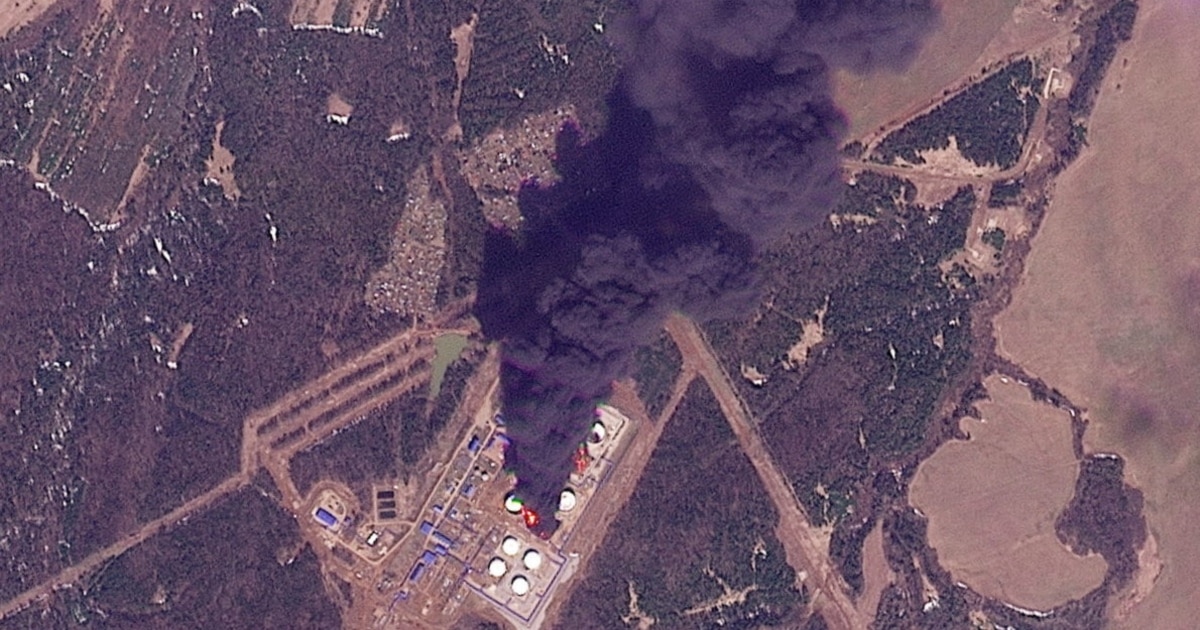
Ukrainian drones struck a Russian oil facility about 1,500 km from the border, underscoring the widening reach of attacks on Russian energy infrastructure. The article also notes a separate Russian strike on Odesa that injured at least 20 people, while Kyiv said it will continue extending the range of its attacks inside Russia. The escalation adds risk to Russian fuel exports and broader energy supply conditions at a time when global oil markets are already sensitive to Middle East disruptions.
The market implication is less about the headline damage and more about the persistent degradation of Russia’s downstream reliability. Repeated strikes on remote energy nodes force higher precautionary inventories, reroute maintenance budgets, and widen the discount buyers demand for Russian crude/products, which can erode export netbacks even if headline output stays stable. The second-order effect is a tighter global refined-product balance, not necessarily a crude shortage, which keeps diesel and jet crack spreads firmer than front-month Brent.
The key vulnerability is logistics latency: even when facilities are repaired quickly, insurers, shippers, and counterparties tend to reprice risk immediately, and that repricing can persist for weeks. If attacks continue at this cadence, the more material drag shows up in Russia’s ability to convert crude into exportable products, forcing more crude-only exports and pressuring domestic product availability. That is bullish for non-Russian refiners with access to cheap feedstock and for tanker routes that substitute longer-haul flows.
The cease-fire rhetoric is tactically important but strategically low-conviction; any pause tied to symbolic dates is more likely to be a temporary de-escalation window than a durable regime shift. Consensus may be underestimating how much damage can be done without a dramatic production outage: repeated “near misses” are enough to keep the market in a risk premium state while limiting actual supply response. Conversely, if diplomatic signaling reduces the frequency of strikes for even 2-4 weeks, energy risk premia can unwind quickly because positioning has been built around escalation rather than immediate barrels lost.
AI-powered research, real-time alerts, and portfolio analytics for institutional investors.
Request DemoOverall Sentiment
moderately negative
Sentiment Score
-0.45
