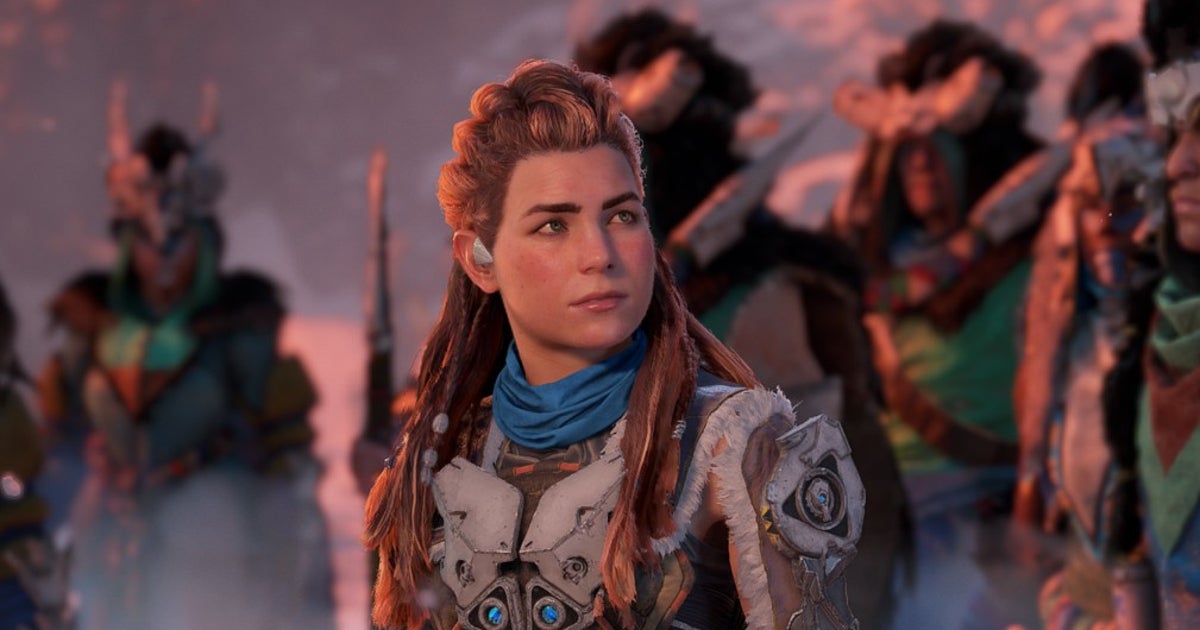
Sony is intensifying its intellectual property lawsuit against Tencent, alleging the Chinese conglomerate is employing a "shell game" through subsidiaries to avoid liability for its game "Light of Motiram," which Sony claims is a blatant "knock-off" of its "Horizon" franchise. Sony asserts that Tencent's defense is "nonsense" and that the alleged infringement, particularly involving a character resembling Horizon's protagonist Aloy, poses an ongoing threat to the brand's success and expansion plans. Consequently, Sony has requested the court deny Tencent's motion to dismiss the lawsuit, emphasizing the continued damage to its valuable intellectual property.
Sony (SONY) is aggressively pursuing its intellectual property lawsuit against Tencent, alleging that Tencent's game "Light of Motiram" is a "blatant knock-off" of its "Horizon" franchise. Sony has dismissed Tencent's defense as "nonsense," accusing the Chinese conglomerate of employing a "shell game" with its subsidiaries, including Tencent Holdings, to avoid liability for the alleged infringement. This legal action specifically targets an "Aloy-like protagonist" in Tencent's game, which Sony claims egregiously trades on its character's established "goodwill and reputation."
Sony asserts that the alleged copying has already caused "damage" and continues to jeopardize the "Horizon" series' "continued success" and "current expansion plans," citing widespread public and media recognition of the similarities. The company's request for the court to deny Tencent's motion to dismiss underscores its firm commitment to protecting its valuable intellectual property. This proactive defense is critical for safeguarding Sony's key gaming franchises, which are significant revenue drivers within its entertainment segment.
While the general sentiment surrounding this news is "moderately negative" with a "defensive" tone and a "moderate market impact score" of 0.6, the per-ticker sentiment for SONY is positive at 0.5. This suggests investors may view Sony's assertive legal stance favorably, perceiving it as a necessary measure to protect brand value and future revenue streams from IP dilution. The case highlights the increasing importance of "Legal & Litigation" and "Patents & Intellectual Property" themes in the competitive global gaming industry.
AI-powered research, real-time alerts, and portfolio analytics for institutional investors.
Request DemoOverall Sentiment
moderately negative
Sentiment Score
-0.50
Ticker Sentiment
