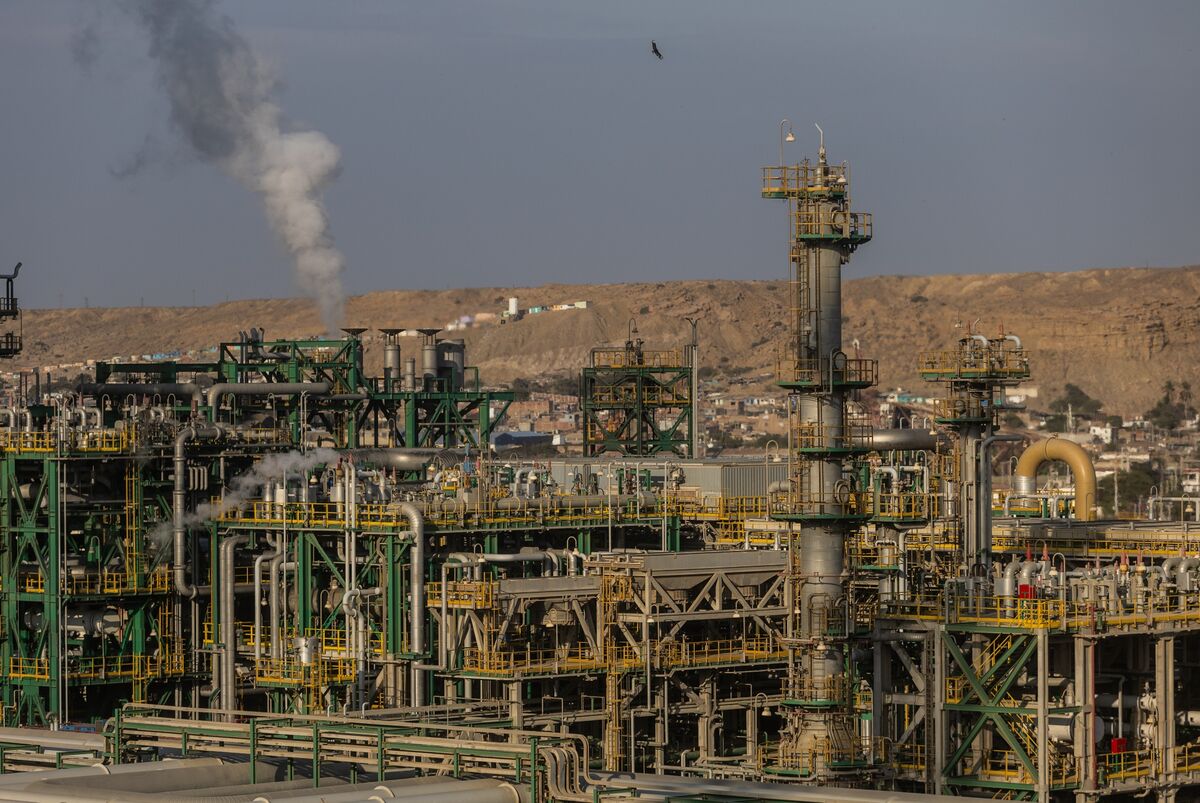
Petroperu said it needs more than $2 billion in private capital credits to avoid fuel shortages as elevated global fuel prices and Middle East war risk strain the state-owned refiner. Chairman Roger Arevalo said the funding request still requires a decision from Interim President José María Balcázar. The article signals liquidity stress and operational risk for Peru's flagship refiner, with potential implications for fuel supply.
The immediate market signal is not about one refinery; it is about sovereign willingness to backstop a structurally weak fuel system. When a state-owned downstream asset has to tap private credit to keep product flowing, the first-order risk is working-capital strain, but the second-order risk is a broader payments and import-disruption event that can spill into local banks, distributors, and transportation activity within weeks if funding is delayed.
The most important dynamic is that high refined-product prices make the problem self-reinforcing: the more expensive the replacement barrels, the larger the cash drag on the importer, and the more likely counterparties tighten terms. That creates a classic EM liquidity trap where inventory financing, letters of credit, and supplier confidence all deteriorate at the same time; the stress usually shows up first in shorter-dated credit and then in domestic FX and rates rather than in the underlying oil price.
For competitors and trading partners, a forced slowdown at a large state refiner can temporarily tighten regional product balances, especially in gasoline and distillates, supporting margins for alternative suppliers and importers with clean balance sheets. The beneficiary set is broader than upstream energy: shipping, storage, and any private fuel distributor with access to dollars may gain negotiating power if Peru needs emergency replacement supply.
The contrarian angle is that this may be less a solvency story than a bridge-financing story. If the government signs off quickly, the event can fade into a routine quasi-sovereign liquidity support package; if approval stalls, the market should expect a sharp repricing in local banks’ exposure and a rapid deterioration in confidence over the next 2-6 weeks. The key tell is not the headline size of the borrowing, but whether it comes with explicit sovereign backing or layered private guarantees.
AI-powered research, real-time alerts, and portfolio analytics for institutional investors.
Request DemoOverall Sentiment
strongly negative
Sentiment Score
-0.55
