



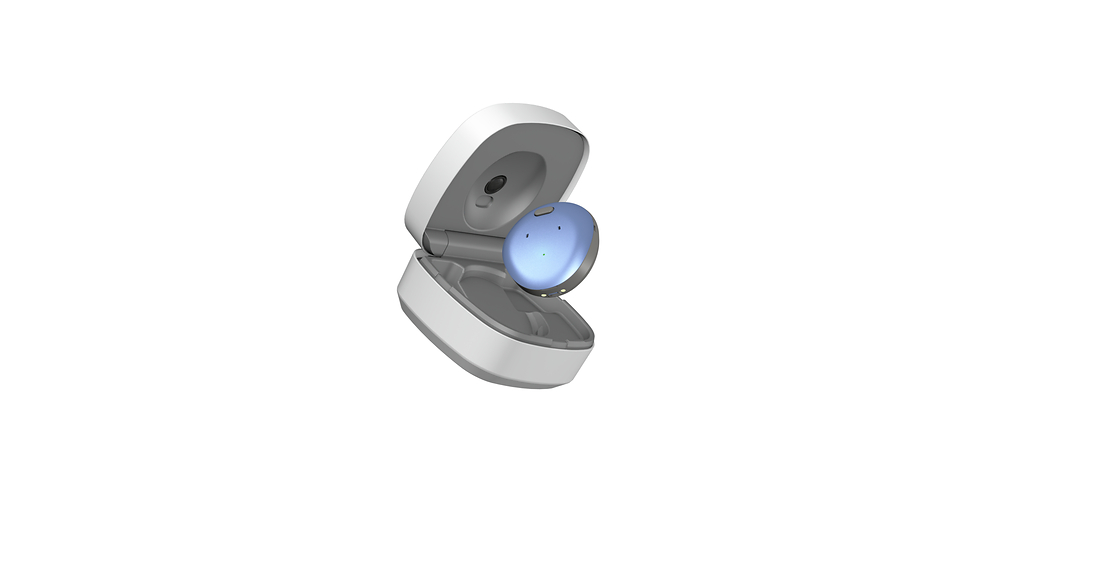
Cochlear (ASX: COH) announced FDA clearance of its new Cochlear Osia 3 Sound Processor, positioning the product for U.S. availability in early fall. The device is the first fully rechargeable option in its class with up to ~30 hours of battery life per charge (plus a charging case), and it adds a broader streaming ecosystem across Android, Apple, Bluetooth LE Audio and Auracast. It also targets higher performance with fitting range up to 65 dB HL in mid-to-high frequencies and improved noise filtering (ForwardFocus).
This is more moat reinforcement than immediate P&L acceleration. Rechargeable architecture plus broader streaming lowers user friction, which matters because hearing-device demand is sticky but replacement/up- upgrade decisions are convenience-driven and clinic-led; the real upside is a higher attach rate into the installed base and better pricing power on future processor cycles. The margin lever is subtle but important: remote fitting and better data logging can compress service time per patient, letting Cochlear grow throughput without a proportional step-up in field support costs.
The competitive read-through is negative for smaller bone-conduction rivals and any vendor whose differentiation rests on battery life or connectivity parity. That does not move AAPL earnings, but it does strengthen the Apple/Android ecosystem lock-in around Cochlear devices and makes switching less attractive for patients already embedded in that workflow. The bigger second-order effect is that competitors may be forced into faster R&D or discounting, which can pressure category economics before share shifts become visible.
Contrarian view: the market will probably over-interpret the launch as an immediate revenue catalyst. The gating items are clinic adoption of remote-care workflows, reimbursement economics for upgrades, and the pace at which existing patients actually convert; those are 1-3 quarter questions, not day-one questions. If management does not quantify a higher upgrade attach rate or better ASP/mix on the next two calls, the headline premium should fade.
AI-powered research, real-time alerts, and portfolio analytics for institutional investors.
Overall Sentiment
strongly positive
Sentiment Score
0.55
Ticker Sentiment
