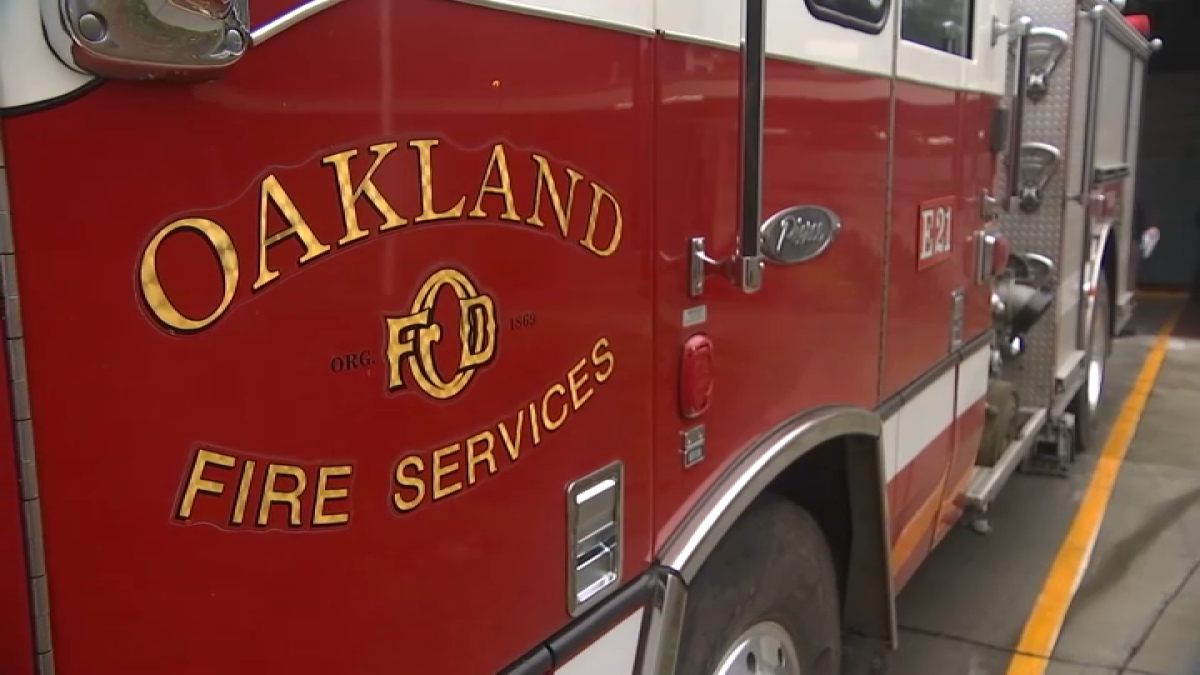
Three people were killed and five others injured, including two in critical condition, after a driver crashed into multiple cars and pedestrians in Oakland late Saturday night. The driver also suffered minor injuries, and authorities have not yet released the cause or the driver's identity. The incident is still under investigation and appears to have limited direct market impact.
This is an idiosyncratic human-risk event, but the market impact is likely concentrated in a narrow set of exposures rather than broad transportation beta. The first-order losers are municipal liability carriers, rideshare/last-mile operators with urban nighttime exposure, and any fleet owner with weak driver-screening controls; the real risk is not the headline itself, but the possibility that it becomes the catalyst for discovery into negligence, vehicle condition, or impaired driving. That can turn a single incident into a multi-party claims stack, which is where legal costs and reserve revisions begin to matter.
The second-order effect is reputational and regulatory: cities tend to overreact to high-casualty pedestrian incidents with enforcement and permitting changes, which can reduce late-night utilization in dense urban corridors for weeks to months. That matters most for platforms and insurers that monetize high-frequency urban trips, because even a low-probability event can compress demand if it leads to stricter driver vetting, higher insurance attach rates, or operational curfews. If the driver turns out to be associated with a rideshare or delivery platform, the event can also reopen the debate around independent-contractor classification and duty-of-care standards, a much larger litigation vector than the immediate accident loss.
The contrarian view is that these events often look worse than they are for listed equities because the cash cost is tiny relative to balance sheets unless there is a demonstrable policy or claims reserve implication. Without a platform link, this is mostly a local legal matter, not a tradable macro signal. The best risk/reward is in waiting for confirmation of exposure rather than pre-emptively shorting transportation names on sympathy; overreaction risk is high, and any initial selloff should fade quickly if the incident remains isolated.
AI-powered research, real-time alerts, and portfolio analytics for institutional investors.
Request DemoOverall Sentiment
strongly negative
Sentiment Score
-0.70
