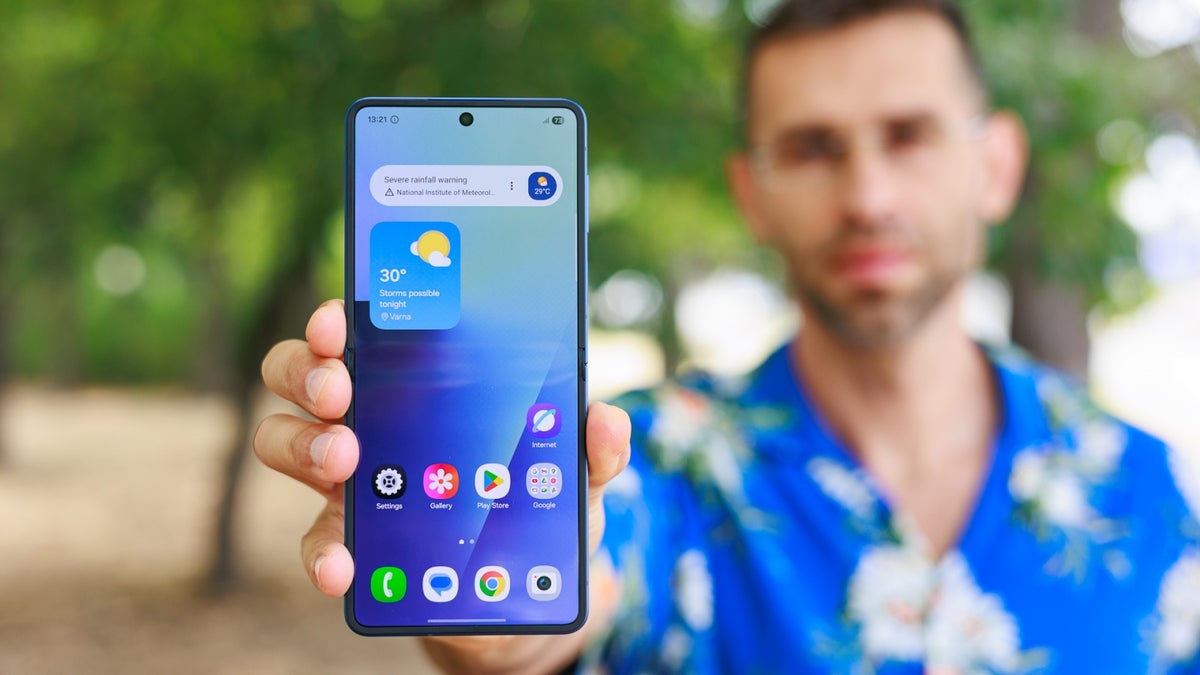
Samsung quietly raised US prices across a wide range of Galaxy devices, including the Galaxy Z Flip 7 ($1,219.99 to $1,299.99 for 512GB), Galaxy S25 FE ($709.99 to $749.99 for 256GB), and Galaxy S25 Edge ($1,219.99 to $1,299.99 for 512GB). Tablet hikes are broader and steeper: the Galaxy Tab S11 now starts at $899.99 vs. $799.99, while the Tab S11 Ultra 1TB jumped $280 to $1,899.99. The article frames this as a negative signal for Samsung’s pricing strategy and suggests future Galaxy launches could also come in higher than expected.
Samsung’s pricing move is less about near-term unit demand and more about mix defense: the company is trying to preserve gross margin on premium hardware while absorbing higher component, logistics, and currency pass-through. The bigger signal is not the headline increase itself, but that the company feels confident enough in brand loyalty to test price elasticity across multiple tiers at once, which usually means management believes replacement demand is sticky enough to withstand a 5-15% list-price reset.
The second-order effect is a likely bifurcation in Samsung’s ecosystem. Premium foldables and tablets may see weaker sell-through at MSRP, but this can actually improve channel economics if discounted inventory clears later, shifting volume into promotional periods and retailer-funded discounts. That favors carriers, big-box retailers, and accessory attach rates more than Samsung’s top-line ASPs, while pressuring Android OEM peers that rely on Samsung-style premium halo pricing to anchor their own stacks.
The risk is time-horizon mismatch: in the next few weeks this is a sentiment/headline issue, but over 1-3 quarters it becomes a demand and competitive share issue if Apple holds pricing and Chinese OEMs keep undercutting on specs. The near-term catalyst to reverse the trend would be aggressive launch promotions or bundle subsidies, which Samsung can deploy quickly if preorders soften. If that happens, the “price hike” becomes a negotiation tactic rather than a durable pricing regime.
Contrarian view: the market may be overestimating the earnings impact. Because these are largely premium, lower-unit products, Samsung may be able to protect revenue per device even with modest unit attrition, especially if the weaker demand is concentrated in higher storage SKUs that carry better margins. The bigger warning sign is not this quarter’s ASPs, but whether Samsung starts normalizing higher launch prices across next cycle devices, which would imply a structurally higher price floor for the entire Android premium category.
AI-powered research, real-time alerts, and portfolio analytics for institutional investors.
Request TrialOverall Sentiment
moderately negative
Sentiment Score
-0.35
